
Is the global economy essentially just a high-stakes game of whack-a-mole, where every time a hammer hits in the Middle East, the shockwaves are felt in a vacation rental in Valencia? The real story here isn't just the tactical exchange of fire in the Strait of Hormuz—it’s how quickly modern geopolitical volatility translates into immediate, tangible shifts in the cost of living for ordinary citizens thousands of miles away.
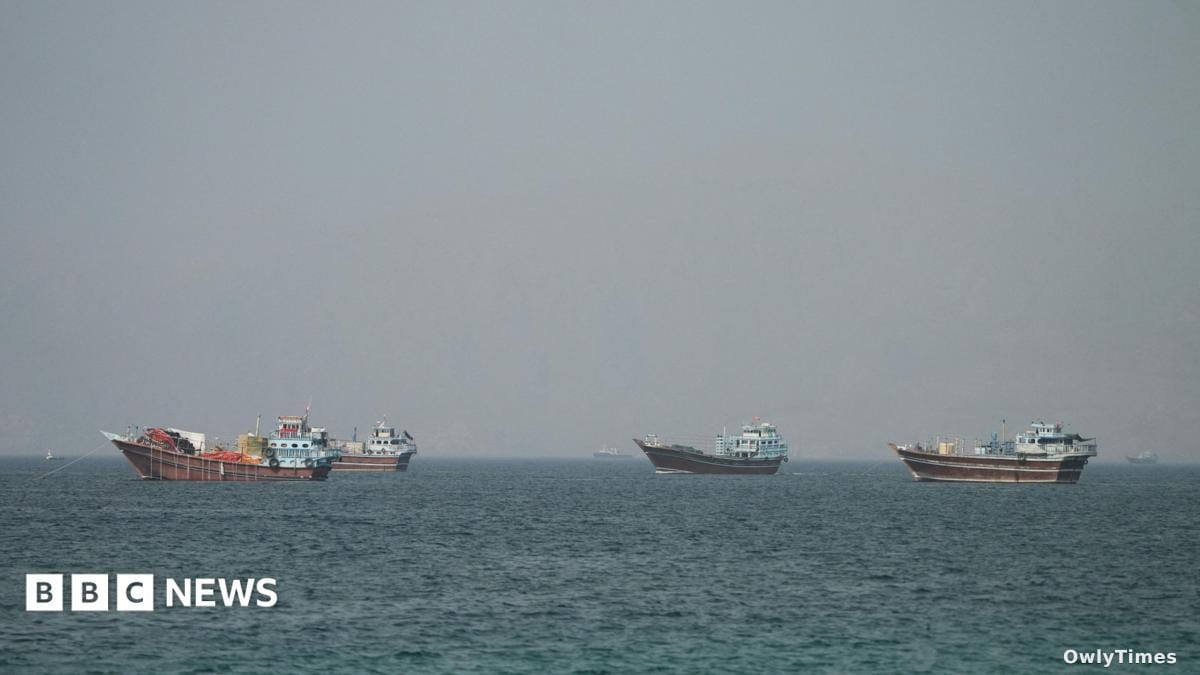
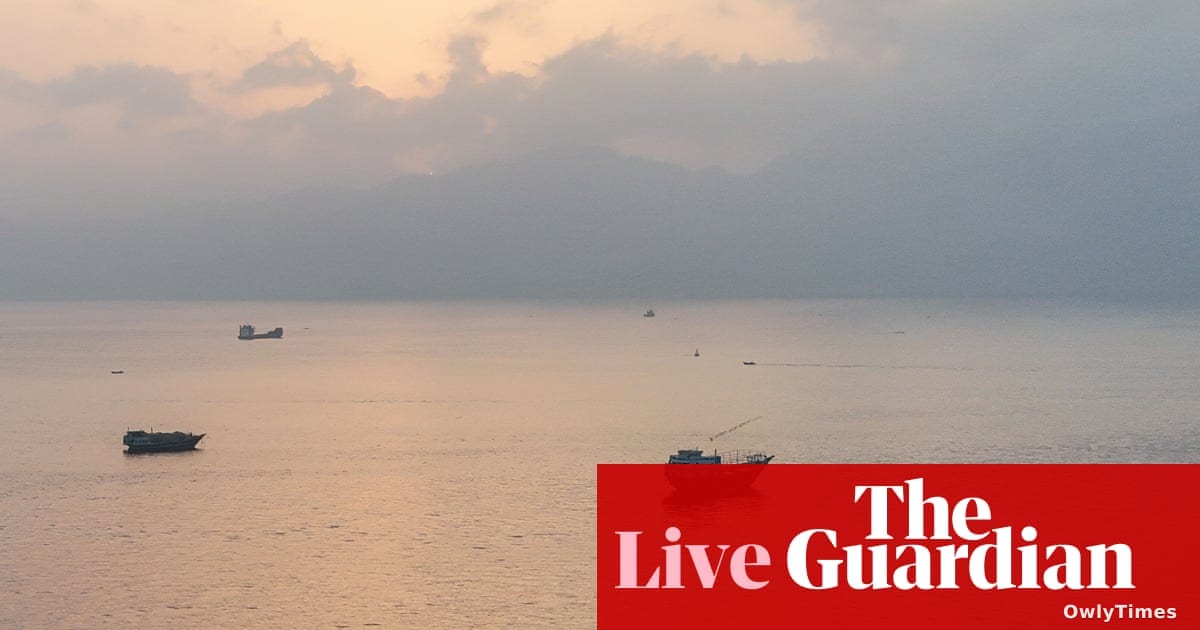
As of June 28, 2026, the United States and Iran are locked in a rapidly escalating "tit-for-tat" military exchange. According to The Guardian, the conflict ignited after the U.S. retaliated for a drone attack on a cargo ship near the Strait of Hormuz. CBS News reports that the U.S. military targeted Iranian surveillance infrastructure, communication systems, and drone storage facilities. By Sunday, the situation moved beyond the Strait, with the Islamic Revolutionary Guard Corps (IRGC) claiming strikes against U.S. military sites in Kuwait and Bahrain, as noted by both Al Jazeera and CBS News.
While the U.S. reports no casualties, the discrepancy in the reporting of the damage is stark. CBS News cites an Iranian claim that "eight important US military facilities" were destroyed at the Al Salem base in Kuwait and the Fifth Fleet headquarters in Bahrain, a specific assertion that U.S. officials have countered by stating there is no major damage. President Donald Trump has publicly threatened that if Iran continues its aggression, the U.S. will be "forced to militarily complete the job," warning that the Islamic Republic "will no longer exist," according to The Guardian.
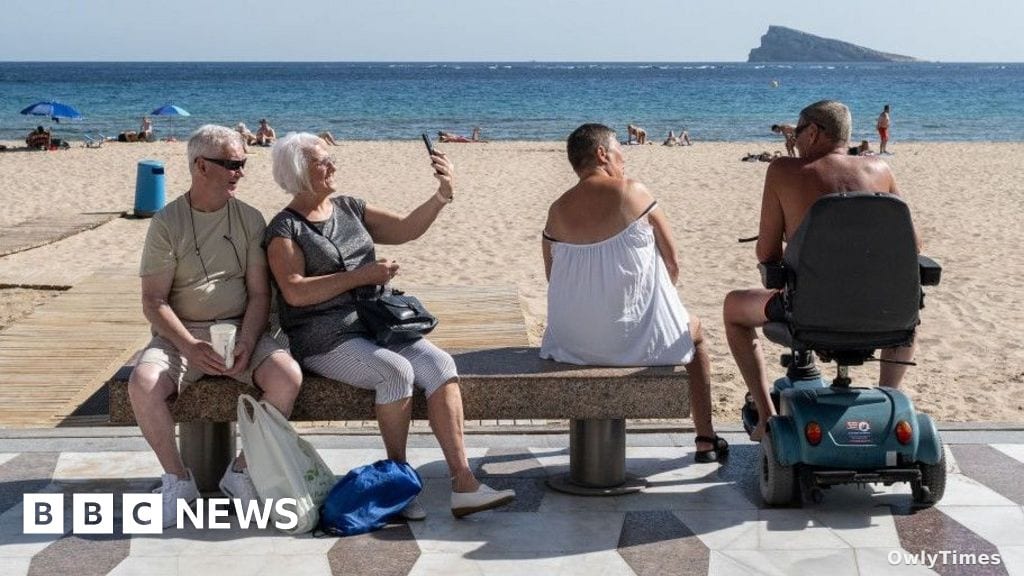
This military escalation is effectively acting as a "geopolitical tax" on global travel patterns. As the BBC reports, tourists are fleeing the Middle East—evidenced by a 66% drop in passenger numbers at Dubai International Airport in March—and funneling into alternatives like Spain. For a Spanish local, this surge isn't just about crowded beaches; it’s the engine behind a housing crisis. When international travelers prioritize "secure" destinations like Spain over the Mediterranean’s eastern coast, landlords pivot from local salaries to the significantly higher purchasing power of tourists, pushing residents out of their homes.
The instability is creating a bizarre feedback loop where technology, defense, and tourism collide. Retired U.S. naval officer Harlan Ullman warned via Al Jazeera that the conflict risks "getting out of hand," potentially spiking oil prices. If energy costs rise, the "advantage" Spain currently holds as a tourist safe-haven could vanish, as the cost of flights for the average European traveler becomes prohibitive.
We are watching a classic "crowding out" effect: as the Middle East becomes a combat zone, the global tourism industry compresses into safer, smaller geographic corridors. This puts unsustainable pressure on housing markets in those safe zones. Expect the next signal to be the impact of fuel costs; if the price of jet fuel climbs due to these strikes in the Strait of Hormuz, the tourism boom in Europe will likely hit a hard ceiling, leaving local economies that have over-indexed on short-term rentals in a very precarious position.