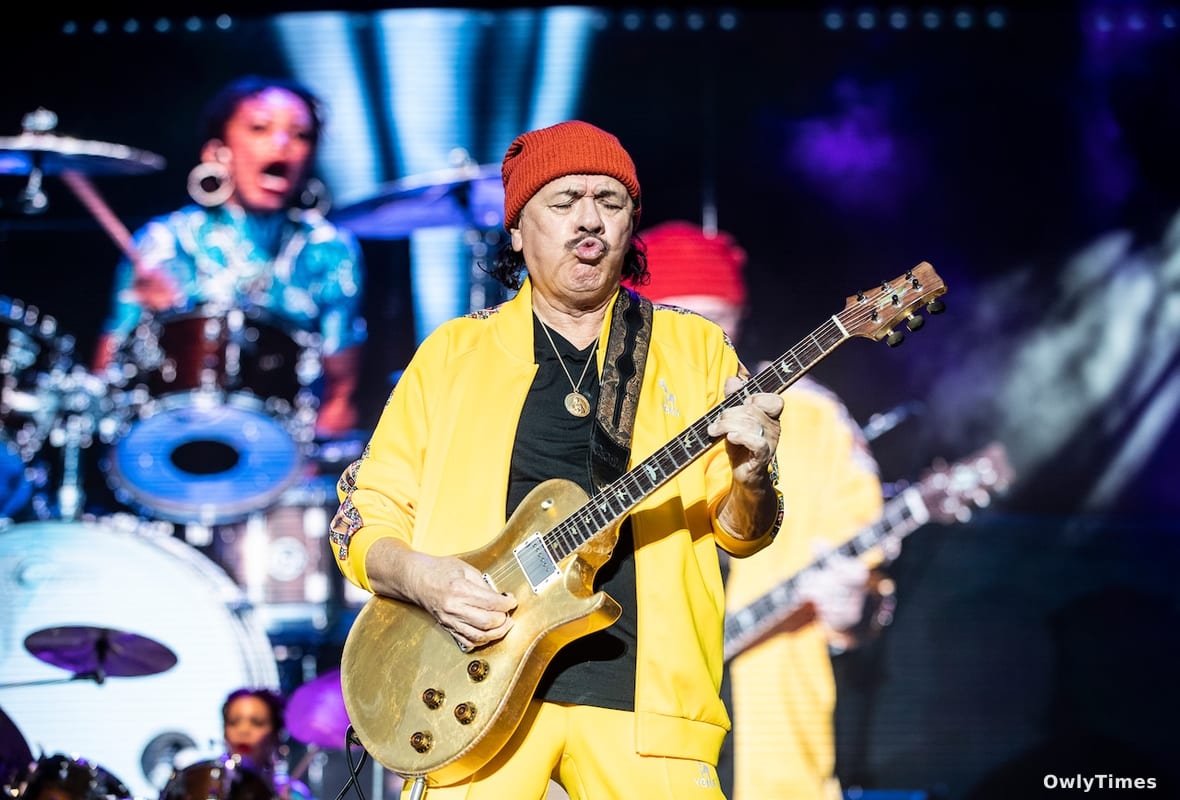

The scent of chocolate and funnel cake hangs heavy in the air, even in February. It’s a uniquely Hershey, Pennsylvania phenomenon, a promise of summer woven into the winter chill. But this year, that promise comes with a distinctly vintage vibe. On June 26th, Santana and The Doobie Brothers will share the stage at Hersheypark Stadium, a pairing that feels less like a concert announcement and more like a portal opening to the 1970s. It’s a lineup that begs the question: why now are these icons, both Rock & Roll Hall of Famers, choosing to tour together, and what does it say about our current appetite for musical nostalgia?
The Hall of Fame Circuit: Beyond the Reunion Tour
The “Oneness Tour” isn’t simply a cash grab by legacy acts, though the financial incentive is undeniable. Concert revenue hit a staggering $6.3 billion in 2023, a 25% jump from pre-pandemic levels, according to Pollstar, and a significant portion of that is fueled by fans eager to relive their youth. But the pairing of Santana and The Doobie Brothers feels more deliberate. Both bands represent a specific moment in rock history – a period of experimentation, blending genres, and a focus on musicianship that feels increasingly rare in today’s heavily produced pop landscape. The Doobie Brothers, inducted into the Hall of Fame in 2020 alongside their 50th anniversary, built their sound on intricate vocal harmonies and a fusion of folk, blues, and rock, delivering hits like “What A Fool Believes” and “Long Train Runnin’.” Their success wasn’t about image; it was about the music.
Drawn from pennlive.com.
Carlos Santana, meanwhile, arrived on the scene with a seismic impact at Woodstock in 1969, instantly recognizable for his blistering guitar work and the band’s pioneering Latin rock sound. While Santana’s lineup has been famously fluid over the decades, the constant has been the guitarist himself, a figure who’s consistently collaborated with artists across generations, from Rob Thomas to Tina Turner. This willingness to evolve, to remain relevant without sacrificing artistic integrity, is a key part of their enduring appeal. The fact that both acts are still actively performing, still drawing crowds, speaks to a deeper cultural need for authenticity.
Hershey’s Role in the Nostalgia Economy
Hershey, Pennsylvania, isn’t just a theme park; it’s a carefully curated experience of Americana. The town itself feels like a time capsule, and Hersheypark Stadium has become a surprisingly consistent stop for these kinds of legacy tours. In 2023, Stevie Nicks played to a sold-out crowd, and in 2022, Aerosmith brought their farewell tour to the venue. This isn’t accidental. Hershey Entertainment & Resort Company understands its audience, and that audience, increasingly, is seeking comfort in the familiar.
The demographic shift is clear. While younger audiences are driving trends in streaming and social media, the bulk of concert ticket purchases still come from those aged 35-65, a generation that grew up with these bands on the radio. This isn’t about dismissing newer music; it’s about recognizing that for many, these songs are inextricably linked to formative memories, to a sense of identity. The price point also matters. Tickets for the “Oneness Tour” go on sale February 20th at 10 a.m., and while prices haven’t been officially released, similar stadium shows in 2023 averaged $150-$300 per ticket – a significant expense, but arguably a worthwhile one for a night of shared nostalgia.
The Shifting Sands of Musical Influence
What’s particularly interesting about this tour is the subtle interplay between the two bands’ musical styles. Santana’s Latin influences were groundbreaking in the late 60s and early 70s, paving the way for a more diverse and inclusive sound in rock music. The Doobie Brothers, while rooted in blues and folk, were also early adopters of a more polished, sophisticated sound, incorporating elements of jazz and R&B. Both bands, in their own way, challenged the conventions of the time.
Today, those challenges feel less radical, but their influence is undeniable. The current wave of Latin-infused pop music, artists like Bad Bunny and Rosalía, owe a debt to Santana’s pioneering work. Similarly, the emphasis on vocal harmonies and musicianship in contemporary indie rock can be traced back to The Doobie Brothers’ commitment to craft. This tour isn’t just a celebration of the past; it’s a reminder of the enduring power of musical innovation.
This concert in Hershey isn’t just about two bands playing their hits. It’s a reflection of a broader cultural moment – a yearning for authenticity, a desire for connection, and a recognition that the music of our past continues to shape our present. The question now is: will this trend of legacy tours continue to dominate the summer concert circuit, or will younger artists find a way to break through the noise and capture the same level of cultural resonance? Watch closely to see if the industry responds by investing more in developing artists who prioritize musicianship and genuine connection over fleeting trends. The future of live music may depend on it.