
Beyond Condemnation: Morocco’s Alignment Signals a Shifting Gulf Security Architecture
The swift and unequivocal support offered by Morocco to nations targeted by Iranian missile attacks isn’t simply a diplomatic formality; it’s a calculated positioning within a rapidly reshaping Gulf security landscape. While international condemnation of Iran’s recent offensives is widespread, Morocco’s statement – explicitly backing “all legitimate measures” taken by victimized states – goes further, signaling a willingness to tacitly endorse potential retaliatory action and a clear alignment with the United States and Israel. This isn’t a neutral expression of concern, but a strategic declaration about where Rabat sees its interests lying as the region teeters on the brink of wider conflict.
Source material: atalayar.com.
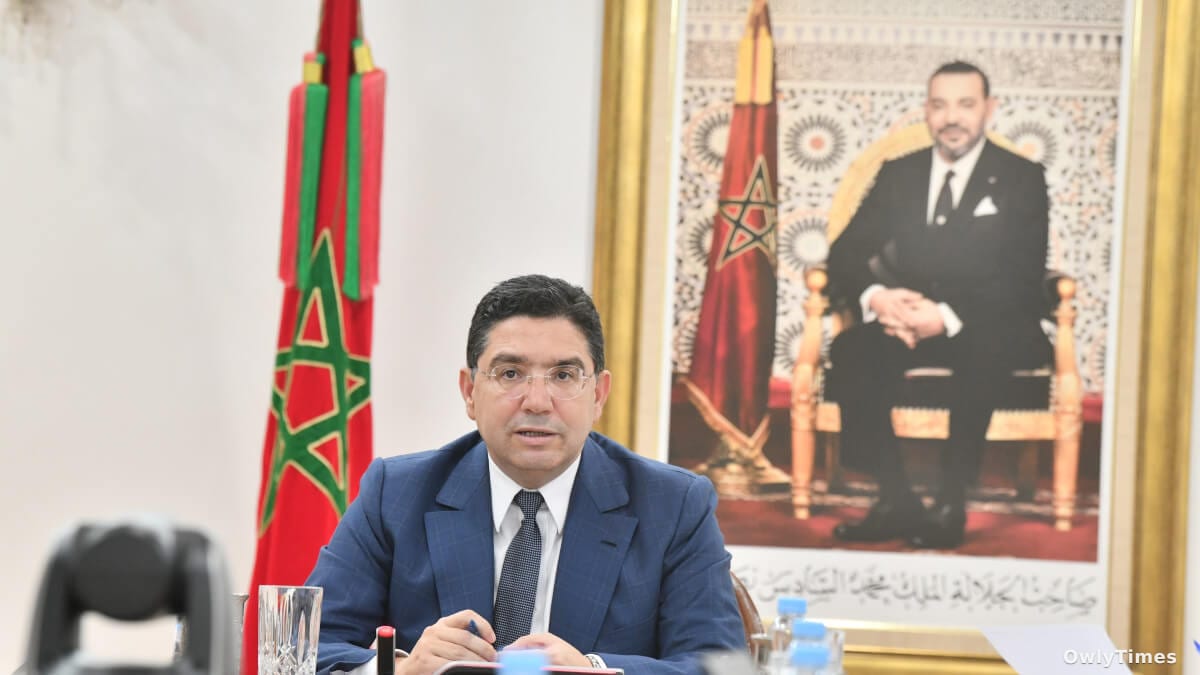
The Moroccan Foreign Ministry’s language – framing Iran’s actions as a “flagrant violation” of sovereignty and a “direct threat” to regional stability – is pointed. This isn’t merely about defending abstract principles; it’s about safeguarding Morocco’s own security interests. The kingdom has historically maintained relatively balanced relations within the region, but the escalating tensions and the overt US-Israeli posture against Iran are forcing a reassessment. Morocco’s economic ties with Gulf states like Saudi Arabia and the United Arab Emirates – crucial for investment and political support – are a key factor. Publicly siding with these nations against perceived Iranian aggression reinforces those relationships and secures continued economic and diplomatic benefits. Who benefits and who loses here is clear: the Gulf states gain a strong ally, Iran loses a potential mediator, and Morocco solidifies its position as a reliable partner to the West.
This alignment echoes historical precedents. During the Cold War, Morocco, under King Hassan II, skillfully navigated the US-Soviet rivalry, often leaning towards the West while maintaining discreet channels with the Eastern Bloc. This balancing act allowed Morocco to secure aid and maintain its independence. Today, a similar dynamic is at play. By firmly backing the US-Israeli position, Morocco aims to leverage its strategic location and security cooperation – particularly in counterterrorism – to secure continued US support and potentially unlock further investment. The stated aim of the US and Israel to push for regime change in Iran, while diplomatically fraught, doesn’t negate the immediate security calculus for Morocco: a destabilized Iran presents a greater risk than a contained one, even if containment requires supporting aggressive policies.
The context of ongoing, yet stalled, negotiations surrounding the Iran nuclear agreement is critical. The failure to revive the Joint Comprehensive Plan of Action (JCPOA) has emboldened both Iran and its adversaries. The bombings carried out by Israel and the US, and Iran’s subsequent missile launches, represent a breakdown of diplomatic channels and a return to a more confrontational approach. Morocco’s statement, therefore, isn’t simply a reaction to the latest escalation, but a recognition that the region is entering a new, more dangerous phase. The Moroccan government’s emphasis on “inter-state solidarity” is a direct response to the perceived erosion of regional institutions and the increasing reliance on bilateral security arrangements. This is a tacit acknowledgement that collective security mechanisms have failed to prevent the current crisis.
The political chess move to watch next is whether Morocco will translate its verbal support into concrete security cooperation with the US and Israel. Will we see increased intelligence sharing, joint military exercises, or even logistical support for potential future operations? The answer will reveal the true depth of Morocco’s alignment and its willingness to actively participate in a potential escalation of the conflict. The kingdom’s next diplomatic steps regarding the stalled JCPOA negotiations will also be telling – will Rabat quietly encourage a return to talks, or will it prioritize maintaining its current position alongside its Gulf allies and Western partners? The coming weeks will determine whether Morocco’s statement was a calculated gamble for regional influence, or a prelude to deeper entanglement in a volatile conflict.