
Beyond Bricks and Mortar: A Legacy of Skill-Building in Poultry Science
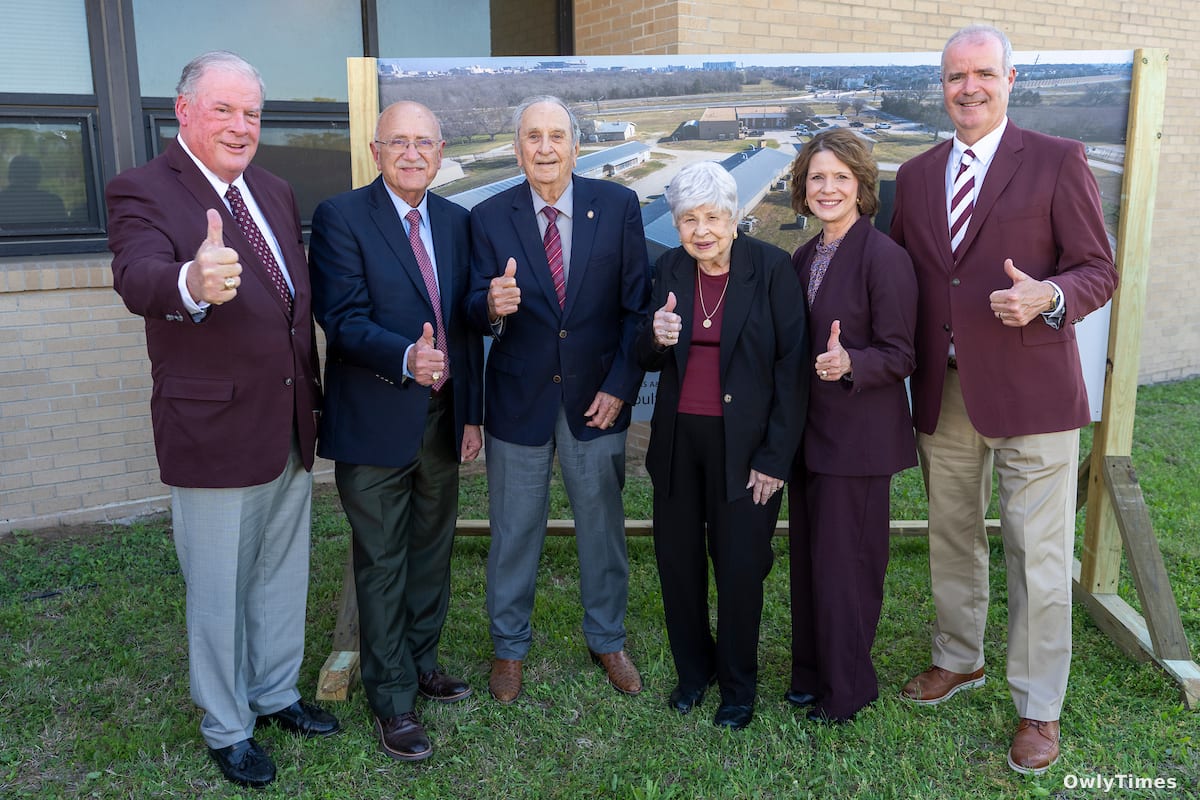
The renaming of the Texas A&M Poultry Science Research, Teaching and Extension Center to the Barbara J. Huffman and William M. “Bill” Huffman ’53 Poultry Science Farm Complex isn’t simply a gesture of gratitude to generous donors; it’s a pointed statement about the evolving priorities within agricultural education. While philanthropic gifts are always welcome, this particular recognition highlights a shift toward valuing how students learn – the development of practical, analytical skills – as much as what they learn. In an era where automation and data science are rapidly reshaping food production, the emphasis on “learning by doing,” as Jeffrey W. Savell, Ph.D., vice chancellor and dean of Agriculture and Life Sciences, put it, feels particularly prescient. The story isn’t just about a building; it’s about a curriculum designed to produce graduates ready to navigate a complex and changing industry.
This piece references the agrilifetoday.tamu.edu report.
From Judging Poultry to Judging Opportunity
The connection between the Huffman family’s donation and the facility’s new name stems from William “Bill” Huffman’s own experience as a student at Texas A&M. His success on the 1952 and 1953 Collegiate Poultry Judging Teams – culminating in being the highest scoring individual in the 1953 National Poultry Judging Contest – wasn’t merely a youthful achievement. Huffman himself explicitly links the analytical and decision-making skills honed through poultry judging to his subsequent career as a lawyer. This is a crucial detail often lost in reporting on university donations. It’s not about funding research about poultry; it’s about funding the development of a specific skillset – the ability to rapidly assess information, weigh options, and make informed judgments – that translates across disciplines. The fact that a poultry judging competition could lay the groundwork for a legal career underscores the program’s broader value proposition.
A 16-Acre Laboratory for Applied Learning
The newly named Huffman Complex is a 16-acre facility in College Station, designed to encompass all stages of poultry and egg production. This isn’t a theoretical exercise; it includes two classrooms specifically for student instruction alongside the practical infrastructure for raising and processing poultry. This hands-on approach is increasingly vital. While large-scale agricultural operations benefit from technological advancements, they still require a workforce capable of understanding the biological complexities of animal husbandry and responding to unforeseen challenges. The complex provides a space for students to grapple with these complexities directly, moving beyond textbook knowledge to develop a nuanced understanding of the industry. This is particularly important in Texas, where poultry production represents a significant economic driver, contributing over $8.2 billion to the state’s economy in 2022, according to Texas A&M AgriLife Extension Service data.
Recognizing a Foundation, Investing in the Future
The decision to rename the center reflects both gratitude for past support and a strategic investment in the future of poultry science. Audrey McElroy, Ph.D., professor and head of the Department of Poultry Science, emphasized that Huffman attributes his professional success to the foundational skills developed within the program – leadership, responsibility, and practical application of knowledge. This acknowledgement is significant because it frames the donation not as a charitable act, but as a reinvestment in a system that demonstrably delivered a return. It also implicitly acknowledges the need to continually refine and strengthen those foundational skills to meet the demands of a rapidly evolving industry.
What’s Next for Poultry Science at Texas A&M?
The Huffman Complex’s renaming is a catalyst for further development, but it also raises a critical question: how will Texas A&M measure the long-term impact of this investment? Will the university track the career trajectories of graduates who have benefited from the hands-on learning opportunities provided by the complex? Will they assess whether these graduates are demonstrably better equipped to address emerging challenges in the poultry industry, such as disease outbreaks, supply chain disruptions, and consumer demands for sustainable production practices? The success of the Huffman Complex won’t be measured solely by the number of students it trains, but by the quality of their contributions to the field. Watch for Texas A&M to begin publishing data on graduate employment rates, salary levels, and leadership positions within the poultry industry in the coming years – these metrics will reveal whether this investment is truly shaping the future of poultry science.