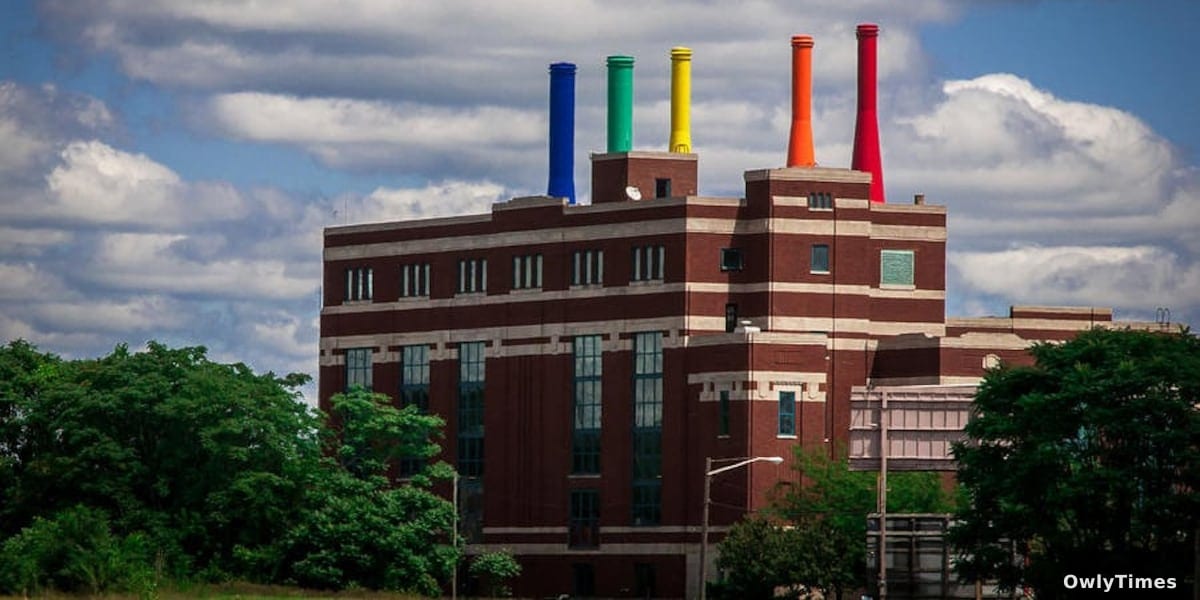

How do we bridge the gap between abstract environmental data and the tangible, local actions that define stewardship? While Earth Day—officially observed on April 22—often functions as a global rallying cry for conservation, the true challenge lies in making these concepts actionable within a specific community. This past Sunday, Science Central in Fort Wayne attempted to answer this question by transforming environmental advocacy into a series of localized, interactive experiences.
From Global Awareness to Localized Participation
Rather than focusing solely on the broader implications of climate change, the event moved toward tangible engagement. Guests were invited to interact with plants, animals, and fossils, creating a bridge between historical biological data and present-day ecological health. By hosting Eco Fest on-site, the museum acted as a connector, linking visitors directly with local environmentally-focused organizations. This is a crucial shift in science communication: moving away from passive observation toward a model where residents see themselves as part of a regional ecosystem.
The Reality of 'Acts of Science'
What the headlines describe as a simple museum day actually points to a much larger, more structured scientific endeavor. The museum highlighted its participation in a partnership with SciStarter, a platform facilitating a nationwide campaign to complete 2.5 million ‘Acts of Science’ projects throughout the month of April.
It is important to distinguish between the event's framing and its function. While the day was celebratory, the underlying goal is the mobilization of citizen science. This methodology relies on the public to collect data points that professional researchers may lack the bandwidth to gather alone. By participating in "Leave No Trace" initiatives and citizen science projects, attendees are contributing to a massive, distributed dataset that, when aggregated, provides researchers with a higher resolution of environmental change than localized efforts could achieve in isolation.
Limitations to Consider in Citizen Science
While the enthusiasm behind such initiatives is high, we must remain cautious about the data quality inherent in large-scale, non-professional research. The primary hurdle in any project involving millions of individual "acts" is standardization. When data is collected by volunteers rather than trained field biologists, ensuring the accuracy and consistency of observations becomes a significant technical challenge. The value of these projects depends entirely on the robustness of the protocols provided by SciStarter to ensure that individual inputs are scientifically useful rather than merely anecdotal.
Why Engagement Metrics Matter
Kristen Peck, the Marketing Manager at Science Central, described the celebration as an opportunity for the community to engage with science in a "meaningful and accessible way." This phrasing captures the essential tension in environmental education: if the science is too dense, it loses the public; if it is too simplified, it loses its rigor.
The next reading of participation metrics from the SciStarter initiative will demonstrate whether this model of "accessible science" successfully converts one-day museum visitors into long-term contributors to environmental monitoring. Whether these 2.5 million projects ultimately yield actionable insights for conservation policy will depend on the sustained commitment of these participants well beyond the April 22 observation date. For those looking to track the impact of these efforts, the ongoing progress of these distributed data projects will serve as a primary indicator of public scientific literacy.





