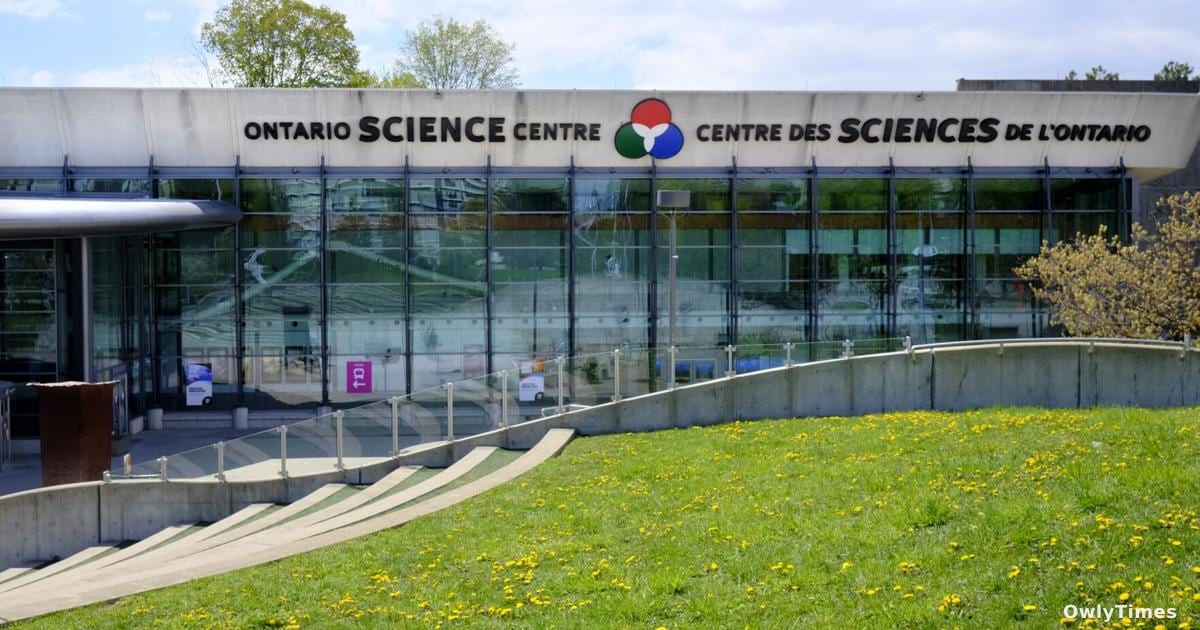

The closure of the Ontario Science Centre in Flemingdon Park in 2024 wasn’t simply a relocation; it was a decision that exposed a fundamental tension in how provincial governments balance grand infrastructure projects with localized community needs. While headlines trumpet the forthcoming $1.04-billion Science Centre at Ontario Place, the story isn’t about where the centre will be, but about what’s left behind – and what that reveals about the priorities driving development in the Greater Toronto Area. The narrative being presented is one of progress and renewal, but a closer look at the abandoned Flemingdon Park site suggests a more complex picture of shifting investment and potentially lost opportunities for equitable access to science education.
From Science Hub to Community Void
The abrupt shuttering of the original Science Centre sparked immediate backlash, with residents and local politicians advocating for its continued operation in its established location. Jason Ash, a community leader in Thorncliffe Park and co-chair of Save Ontario’s Science Centre, described the province’s decision to move forward with the Ontario Place location as “disappointing but expected.” This sentiment underscores a pattern observed in urban development: large-scale projects often proceed despite significant local opposition, particularly when they involve marginalized communities. The 50-acre Flemingdon Park site, now slated to receive an Ontario Line subway station, represents a considerable asset, but its potential is currently unrealized. The province’s focus on Ontario Place – a location historically associated with tourism and entertainment – suggests a prioritization of attracting visitors over serving the immediate needs of existing residents.
Reporting from thestar.com informs this analysis.
The Calculus of Economic Impact
The government’s justification for the move centers on economic benefits. Approximately 5,700 jobs are projected to be created during the construction of the new Science Centre, a figure frequently cited in press releases. However, this number needs context. While job creation is undoubtedly positive, it doesn’t account for the potential economic disruption caused by the closure of the original centre, which served as a local employer and a destination for school trips and community events. Furthermore, the economic impact of a new facility geared towards tourism is qualitatively different from that of a community-based institution. The Ontario Place location is likely to draw visitors from across the province and beyond, while the Flemingdon Park centre primarily served the densely populated, and often under-resourced, eastern neighbourhoods of Toronto.
Reimagining a Community Anchor
Faced with the reality of the relocation, community members are now actively brainstorming alternative uses for the Flemingdon Park site. Ideas range from an educational facility – potentially retaining a science focus – to recreational spaces like a soccer pitch, a prayer space, and even a museum dedicated to the Toronto Transit Commission (TTC). This shift in focus highlights the adaptability and resilience of local communities. The proposals aren’t simply about filling a void; they’re about reclaiming a space and repurposing it to address specific local needs. The inclusion of a prayer space, for example, reflects the diverse cultural makeup of the surrounding neighbourhoods, a consideration that may not have been prioritized in the planning for the Ontario Place location. The proposed TTC museum speaks to a uniquely Toronto interest, and could serve as a valuable educational resource.
Limitations to Consider
It’s crucial to acknowledge the limitations of these proposals. Funding remains a significant hurdle. Securing provincial or municipal investment for a community-led project will likely be challenging, particularly given the province’s commitment to the Ontario Place development. Furthermore, the scale of the proposed projects may be constrained by budgetary limitations. The 50-acre site presents opportunities, but realizing its full potential will require significant financial resources and sustained community engagement. The success of any future development will also depend on navigating the complexities of land use regulations and ensuring accessibility for all residents, including those with disabilities.
The Future of Science Engagement
The next steps involve formalizing these community proposals and presenting them to the provincial government. The key question isn’t simply what will be built on the Flemingdon Park site, but who will be involved in the decision-making process. Will the province genuinely engage with local communities and prioritize their needs, or will the site be repurposed in a way that primarily benefits developers and tourists? As construction begins on the new Science Centre at Ontario Place, residents and policymakers should be watching closely to see if the province demonstrates a commitment to equitable development and community empowerment – or if the closure of the original centre serves as a cautionary tale about the potential consequences of prioritizing spectacle over substance.





