
When does a collection of unrelated tragedies transform into a narrative of national conspiracy? In the digital age, the distance between a series of unfortunate, disparate events and a viral theory is often measured in little more than a few social media posts. Recently, an online campaign has sought to link the deaths and disappearances of approximately 10 individuals connected to American research institutions, sparking a wave of speculation that has reached the halls of Congress.
The scientific question here is one of pattern recognition: are these incidents statistically anomalous, or are they simply reflections of the inherent risks faced by any large, diverse professional population? To understand the reality, we must separate the high-profile nature of these individuals’ employers—such as Caltech and NASA’s Jet Propulsion Laboratory (JPL)—from the actual circumstances of their cases.
The Disconnect Between Headlines and Evidence
Public perception, fueled by tabloid coverage and online conjecture, suggests a "sinister connection" involving the theft of scientific secrets. However, a review of the facts presents a different picture. The individuals on this list represent a wide spectrum of roles and life circumstances.
For instance, the list includes Monica Jacinto Reza, a 60-year-old materials and processes engineer at JPL who went missing while hiking in the Crescenta Valley in June 2025. It also includes Carl Grillmair, a 67-year-old astrophysicist at Caltech who was shot and killed at his home in February 2026. Authorities investigating Grillmair’s death have stated that the suspect did not appear to know him and that the crime was not linked to his research. Similarly, the death of Jason Thomas, a 45-year-old chemical biologist, was attributed to personal tragedy by local officials, who found no evidence of foul play.
When we look at these cases as a data set, the "sinister connection" theory falters. We are looking at a population of tens of thousands of scientists across the U.S. working in fields ranging from nuclear physics to aerospace engineering. Statistically, it is inevitable that members of such a large community will face medical crises, accidents, or acts of violence over the course of several years. As sociologist Robert Bartholomew noted in a report for Psychology Today, the current panic is a classic example of human beings searching for patterns where none exist, fueled by the natural desire to find order in random, painful events.
Limitations to Consider
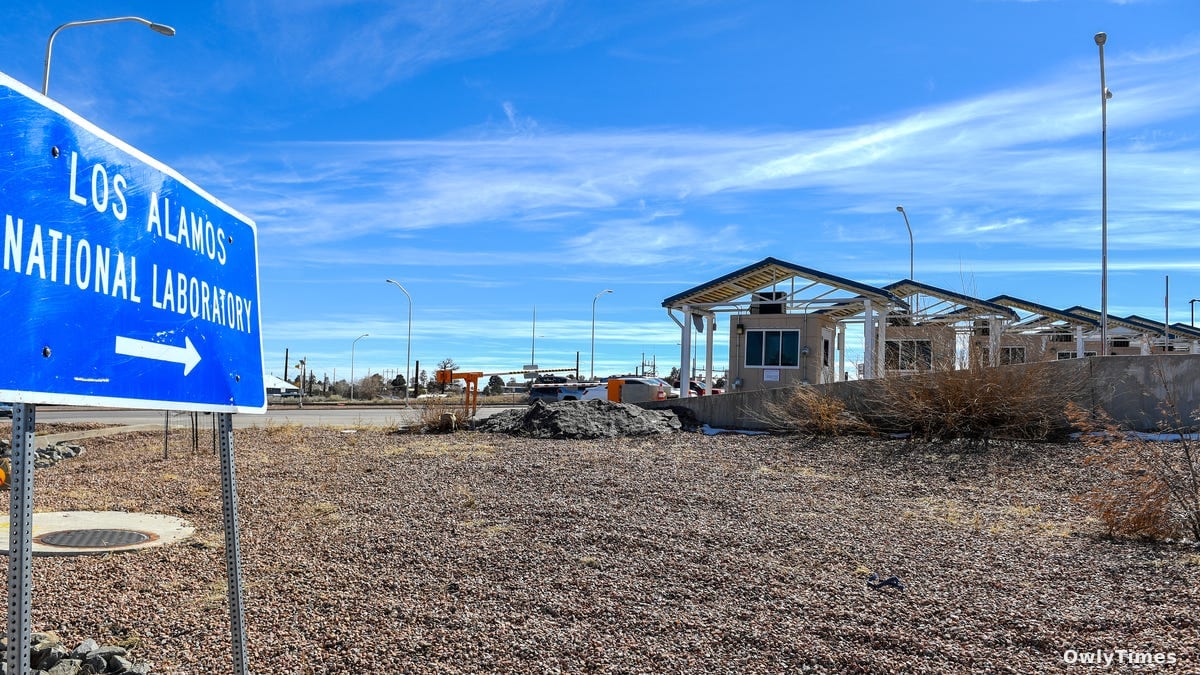
While the White House, federal agencies, and members of Congress—specifically Representatives James Comer and Eric Burlison—are conducting inquiries, it is vital to distinguish between political due diligence and the existence of an actual threat. The letters sent by Comer and Burlison to the Department of Energy, the Department of War, the FBI, and NASA request briefings on procedures for protecting scientific secrets and ensuring personnel safety.
This is a procedural, bureaucratic response to public pressure, not necessarily a validation of the underlying conspiracy theories. Bethany Stevens, a spokesperson for NASA, stated on April 20 that while they are coordinating with other agencies, there is currently nothing related to the agency that indicates a national security threat. We must be cautious about overstating the gravity of these inquiries; government agencies are frequently required to respond to congressional requests regardless of the strength of the evidence behind the initial claim.
Moving Beyond the Speculation
The next steps in this story will rely on the outcome of the briefings requested by the House Committee on Oversight and Government Reform. The focus of these investigations is now on whether any procedural gaps exist regarding the protection of sensitive research.
Ultimately, the most important metric to watch will be the formal feedback from the FBI and the Department of Energy as they continue their review. If these agencies conclude their investigations without finding evidence of a coordinated effort to target scientific personnel, it will underscore a difficult reality: that in our desire to protect our most valuable innovators, we must be careful not to let fear, rather than evidence, dictate our understanding of their safety. The next reading of these internal departmental assessments will determine whether this becomes a long-term policy discussion or remains a cautionary tale about the velocity of misinformation.