
As the 2026 FIFA Men's World Cup reaches its group stage conclusion, researchers and sports analysts are shifting focus from the pitch to the physiological and social impact of the tournament on its global audience. While headlines often prioritize match results, the underlying question for sports scientists and sociologists is how the intense, high-stakes nature of international competition translates into biological stress responses and cultural integration within the host nations.
The Physiology of Fandom
To understand the physical toll of high-stakes sports, the BBC recently conducted a controlled experiment monitoring a fan’s vitals during England’s 4-2 victory over Croatia. The study found that while the subject experienced "good stress"—an evolutionary fight-or-flight response—the impact was not universally damaging. While the subject's heart rate spiked from a resting 54 beats per minute to 69 beats per minute within half a second of a goal, researchers concluded this functioned as a "mild form of exercise" for those in good physical health.
However, it is crucial to distinguish these findings from the broader claim that "watching sports is good for your health." The researchers explicitly noted that this specific subject possessed an atypically low stress response, and cautioned that such intense emotional fluctuations could manifest differently in individuals with underlying health concerns. This serves as a vital reminder that laboratory-monitored "good stress" is highly dependent on the individual's baseline physical condition, rather than a blanket endorsement of fan anxiety.
A Tournament of Unprecedented Scale
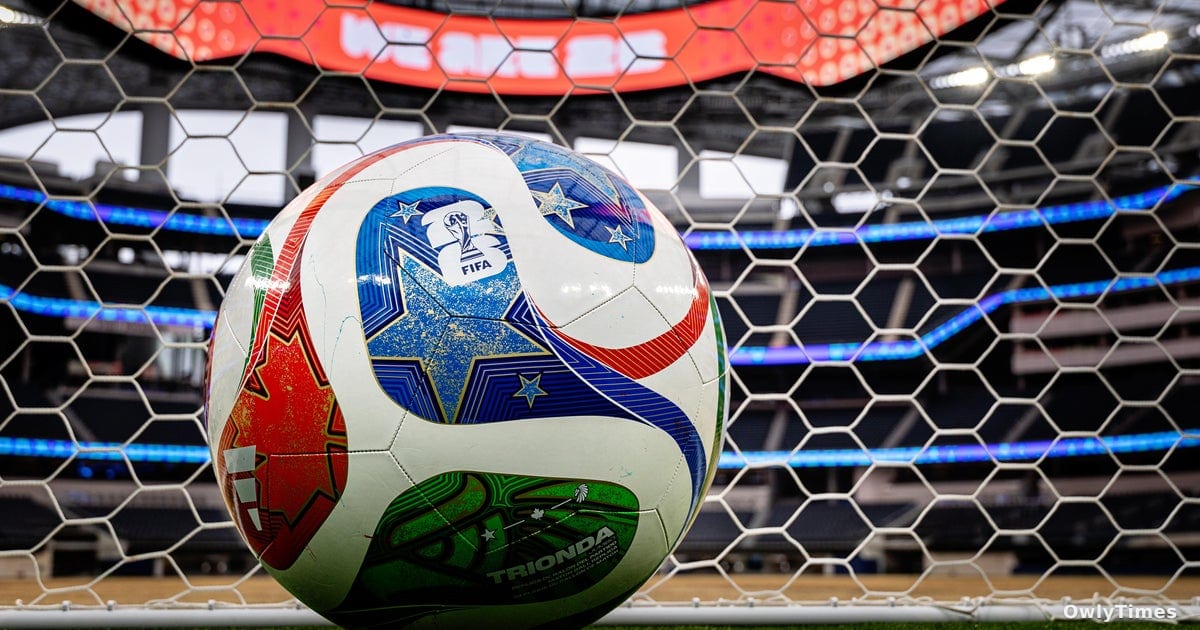
Beyond the biological impact, the sheer scope of the 2026 tournament is rewriting broadcasting and logistics records. According to CBS News, the tournament encompasses 104 matches across the United States, Mexico, and Canada. U.S. team captain Tim Ream characterized the intensity of the event by describing it as "a Super Bowl every single day for five weeks."
Broadcasting data highlights the scale of this reach: CBS News reports that 40 matches are airing in primetime on FOX, with a total of 78 games hosted in the U.S. alone. While the tournament has been marked by high-scoring affairs—such as Germany’s 7-1 victory over Curaçao—it has also faced tragic logistical challenges. The Guardian reported that one fan died and eight others were injured in a crowd crush while watching matches in Jordan, a stark contrast to the festive atmosphere documented in North American host cities.
Limitations and Emerging Trends
When interpreting the cultural impact of the tournament, one must consider the limitations of anecdotal evidence. Reports regarding the social integration of diverse immigrant communities in the U.S. are largely based on observational accounts from cities like Kansas City and Los Angeles, as noted by The Guardian. While these stories provide a compelling narrative of unity, they do not necessarily reflect the experience of every host region.
As the group stage draws to a close on June 27, the focus for researchers will turn toward the cumulative effects of the tournament’s duration on both player performance and fan health. Next steps in this research include tracking whether these "good stress" responses remain sustainable over the final knockout rounds or if the physiological burden shifts as the stakes—and the emotional intensity—escalate. Understanding these thresholds is essential for determining how global sporting events can be better managed to support public well-being as the tournament moves toward its final matches.