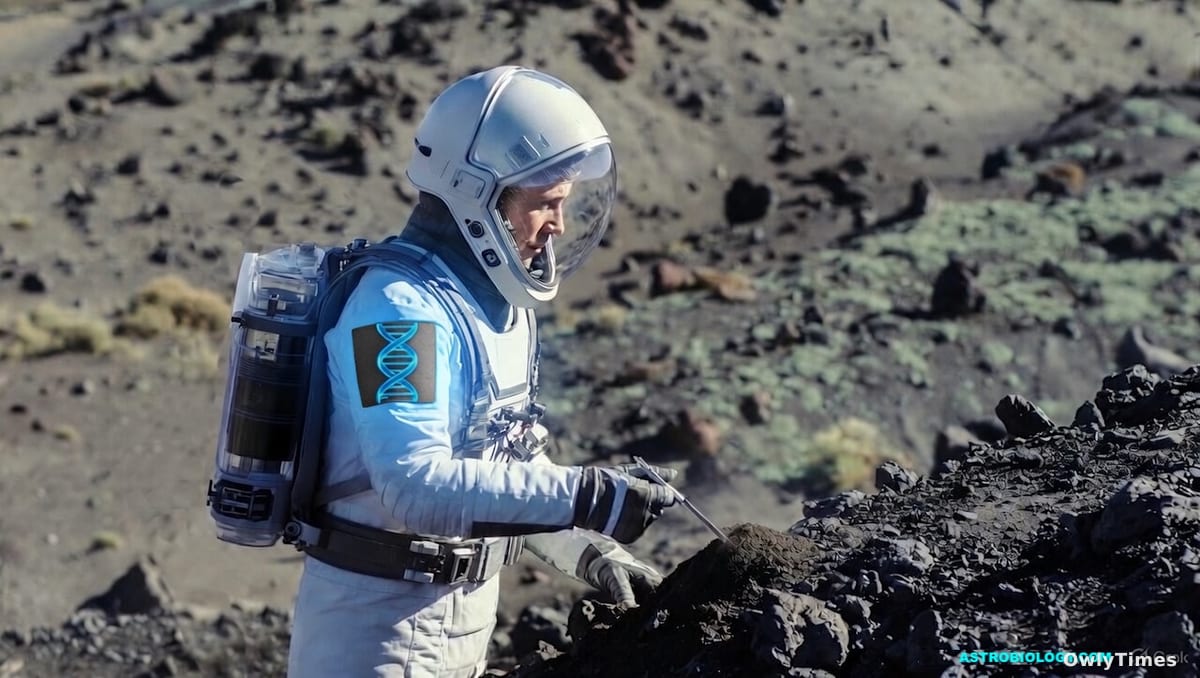

How do we ensure that the human body—a machine evolved for a single gravity well—can survive the physiological rigors of deep space? While headlines often focus on the spectacle of rocket launches, the real race for the solar system is happening in the quiet, precise laboratories of molecular biology. Recent research published in the NASA Spaceline Current Awareness List #1,196 on April 17, 2026, reveals a burgeoning shift in strategy: instead of merely fighting the effects of spaceflight, scientists are beginning to harness biological systems to do the heavy lifting.
One of the most compelling developments is the use of "beneficial microbes" to mitigate the molecular stress responses that astronauts face during flight. In a study published March 17, 2026, in Frontiers in Space Technology, researchers led by J.S. Foster found that these microbes can actually accelerate developmental pathways in host animals during spaceflight. This finding is significant because it challenges the traditional view of microbes as purely pathogenic risks. Instead, it suggests that the microbiome could serve as a biological shield, potentially buffering the cellular damage caused by cosmic radiation and microgravity-induced stress.
What this study found versus what popular science headlines often imply is a distinction of mechanism. While some might frame this as a "cure" for space-induced health issues, the data specifically highlights an adaptive, molecular-level response. It is not an overnight fix for the human body; rather, it is a targeted modulation of how an organism perceives and reacts to its environment. As the study notes, this work was supported by a NASA Space Biology Award 80NSSC19K0138, underscoring the shift toward funding research that integrates living systems directly into mission architectures.
Limitations to consider, however, are substantial. Most current research relies on model organisms or simulated microgravity environments, such as the head-down tilt bedrest studies mentioned in recent literature. While these provide essential data, they cannot perfectly replicate the complex, multi-factorial stressors—including ionizing radiation and long-term isolation—found on an actual mission to Mars. Additionally, the translation of microbiome benefits from animal models to human physiology remains a significant hurdle. We are observing the potential for resilience, but we are not yet at the stage of clinical application.
The implications for the pharmaceutical industry are equally profound. A study published April 8, 2026, in npj Microgravity investigated the physical stability of ritonavir Form III processed in orbit. The ability to successfully recover a metastable form of a therapeutic drug after space processing proves that we can manufacture high-value pharmaceuticals in orbit. This is a critical step toward self-sufficiency; if astronauts can synthesize and stabilize their own medicine in space, the reliance on Earth-based resupply missions decreases.
The next steps for this research are already moving toward systemic integration. We are watching the maturation of "gut-on-chip" models, such as the immunoHuMiX system detailed by Frederic Zenhausern and his colleagues in VIEW on March 24, 2026. This technology allows researchers to unravel human microbiome-immune interactions with unprecedented precision. The next reading of these integrated cellular responses will indicate whether we can truly tailor medical interventions to the individual astronaut, moving away from a "one-size-fits-all" approach to space medicine. As we move closer to long-duration exploration, the success of these molecular-level countermeasures will likely determine the feasibility of humanity’s next great leap.





