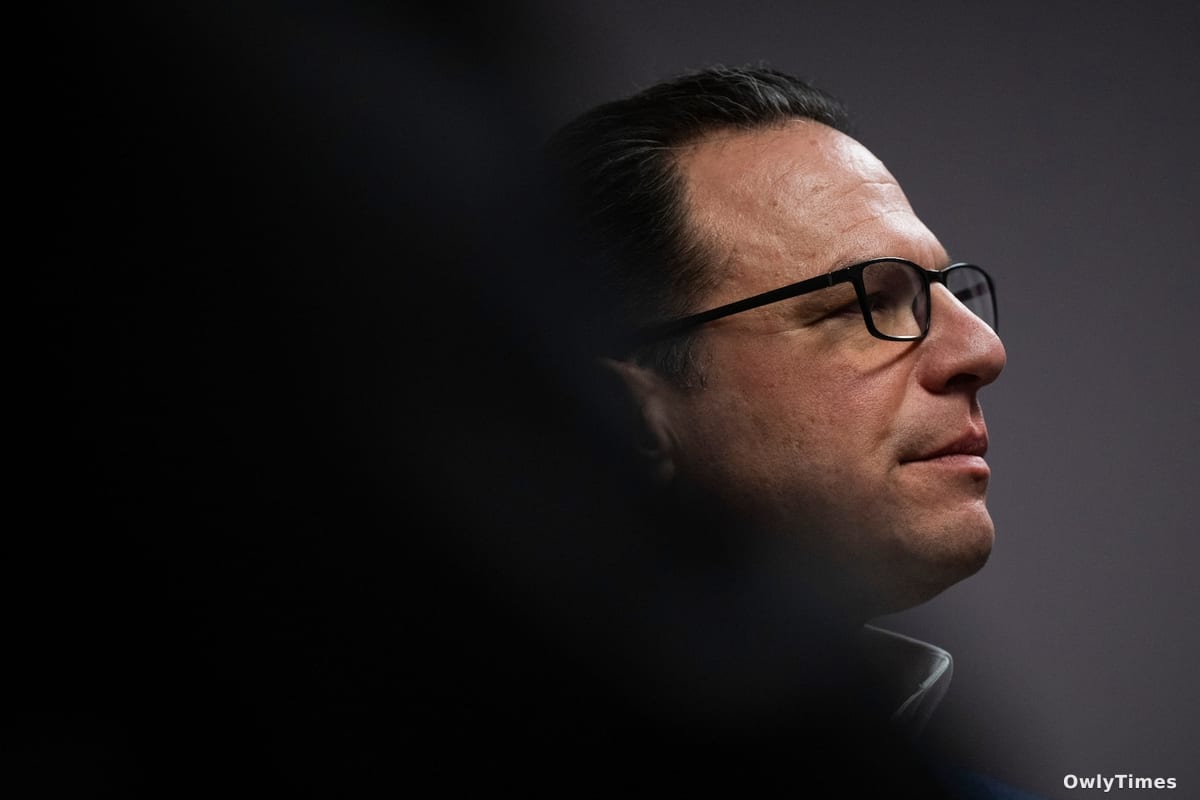

The enthusiastic reception afforded Josh Shapiro at the B’nai B’rith Youth Organization (BBYO) International Convention on February 12th isn’t merely a display of youthful exuberance; it’s a calculated positioning of a rising political figure at a moment when the visibility – and perceived vulnerability – of American Jewish leaders has become a central, and increasingly fraught, element of the national political landscape. Shapiro’s ascent, coinciding with a documented surge in antisemitism, isn’t accidental. It’s a strategic alignment of political ambition with a community seeking representation and reassurance, and a signal to national audiences about the evolving dynamics of identity politics. The question isn’t whether Shapiro is a popular governor, but what his prominence means in this specific historical context.
The Calculus of Visibility in a Polarized Climate
The timing of Shapiro’s elevated profile is critical. The Associated Press report highlights the governor’s rock-star status within BBYO, an organization representing young Jewish leaders from over a dozen countries. This isn’t a casual appearance; it’s a deliberate cultivation of a base within a demographic acutely aware of rising antisemitism. Reports of antisemitic incidents in the US reached a record high in 2024, according to the Anti-Defamation League, a 36% increase from the previous year, and preliminary data for early 2026 suggests the trend is continuing. Shapiro’s visibility offers a counter-narrative to this surge, presenting a successful Jewish leader in a position of power. Who benefits? Primarily, Shapiro himself, gaining national recognition and solidifying support within a key constituency. But also, the Democratic Party, which can showcase its commitment to inclusivity and responsiveness to concerns within the Jewish community – a traditionally significant voting bloc. Who loses? Potentially, any Republican attempting to appeal to the same voters, as Shapiro effectively occupies the space of the prominent, relatable Jewish leader.
Historical Echoes: Ethnic Leadership and National Crises
The dynamic at play isn’t new. Throughout American history, periods of heightened prejudice against specific groups have often seen the emergence of prominent leaders from those communities, tasked with navigating both internal representation and external perceptions. Consider the rise of Italian-American politicians like Fiorello La Guardia during a period of anti-immigrant sentiment in the early 20th century, or the prominence of Black leaders like Adam Clayton Powell Jr. during the Civil Rights Movement. These figures weren’t simply representatives of their communities; they were strategically positioned to negotiate power within the broader political system, often leveraging anxieties and prejudices to advance their agendas. Shapiro’s situation mirrors this pattern. He’s not just a governor; he’s a symbol, and that symbolism carries significant political weight. The difference now is the speed and intensity of the information environment, amplified by social media, which both accelerates the visibility of leaders like Shapiro and intensifies the scrutiny they face.
Reporting from The Washington Post informs this analysis.
Pennsylvania as a Testing Ground for National Ambitions
Pennsylvania’s political landscape is crucial to understanding Shapiro’s strategy. As a swing state, Pennsylvania is consistently a battleground in presidential elections. Shapiro’s success in a state with a diverse electorate – and a significant Jewish population concentrated in the Philadelphia suburbs – demonstrates his ability to appeal to a broad coalition. His 2022 victory, securing a key governorship, wasn’t just a win for Democrats in Pennsylvania; it was a demonstration of a potential national model. The AP report doesn’t explicitly mention future ambitions, but the deliberate cultivation of a national profile, coupled with his success in a pivotal state, strongly suggests Shapiro is positioning himself for a larger role. The fact that he’s doing so while simultaneously addressing concerns about antisemitism adds another layer to his appeal, potentially broadening his base beyond traditional Democratic constituencies.
The Next Move: Navigating the Israel-Hamas Conflict
The most immediate political chess move to watch is Shapiro’s continued navigation of the Israel-Hamas conflict. While he has consistently voiced support for Israel, he also faces pressure from progressive elements within his party to advocate for Palestinian rights. His recent statements, emphasizing the need to combat antisemitism while acknowledging the humanitarian crisis in Gaza, represent a delicate balancing act. Any perceived tilt too far in either direction risks alienating key constituencies. The real test will come as the conflict evolves and the political pressure intensifies. Will Shapiro maintain this tightrope walk, or will he be forced to choose a side? The answer will reveal not only his political priorities but also the broader dynamics shaping the future of American Jewish leadership and its role in national politics.