
The suspension of TSA PreCheck and Global Entry isn’t simply a consequence of the latest government shutdown; it’s a calculated pressure point, a demonstration of leverage deployed by the Department of Homeland Security to force congressional action. While presented as a logistical necessity due to funding constraints, the timing – impacting frequent travelers and business commuters – suggests a deliberate escalation intended to amplify the disruption beyond federal employee hardship and into the routines of influential constituencies. The initial messaging, with the TSA claiming PreCheck remained “operational” even as airports like Los Angeles began diverting passengers, reveals a chaotic internal calculus and a willingness to operate in a gray area to maximize the perceived impact.
The Calculus of Disruption: Who Benefits and Who Loses
The immediate losers are clear: the 12 million TSA PreCheck members and the millions more with Global Entry, who now face longer wait times and increased travel friction. This isn’t a random inconvenience. Frequent flyers are disproportionately likely to be politically engaged and economically productive, making their disruption a signal intended to reach the attention of lawmakers. Airlines, already bracing for blizzard-related cancellations, now face the added burden of potentially longer security lines and frustrated passengers – a cost they will inevitably lobby against. Conversely, CLEAR, the privately-run expedited security service, stands to benefit directly, potentially absorbing displaced PreCheck users willing to pay a premium for continued speed. The political benefit accrues to those framing the shutdown as untenable, particularly those within the DHS advocating for a swift resolution. Secretary Kristi Noem’s statement prioritizing the “general traveling population” is a carefully worded justification, framing the PreCheck suspension not as a punitive measure, but as a necessary triage of limited resources.
Based on the original Business Insider report.
Historical Echoes: Shutdowns as Pressure Tactics
This tactic – leveraging essential services to create public pressure during a shutdown – isn’t new. The 2019 shutdown, which stretched over a month, saw similar disruptions, culminating in air traffic controller sickouts that brought air travel to a near standstill in the New York area. That shutdown, like this one, wasn’t simply about budgetary disagreements; it was a clash over border security funding and immigration policy. The parallels are striking. In both instances, the administration initially downplayed the impact, then incrementally escalated disruptions, testing the limits of public tolerance. The 43-day shutdown in October of the same year also saw essential employees working without pay, a situation that ultimately proved unsustainable and contributed to the eventual resolution. The key difference now is the speed with which the DHS moved to suspend expedited screening, suggesting a more proactive and strategically focused approach to applying pressure.
The Conflicting Signals and Operational Chaos
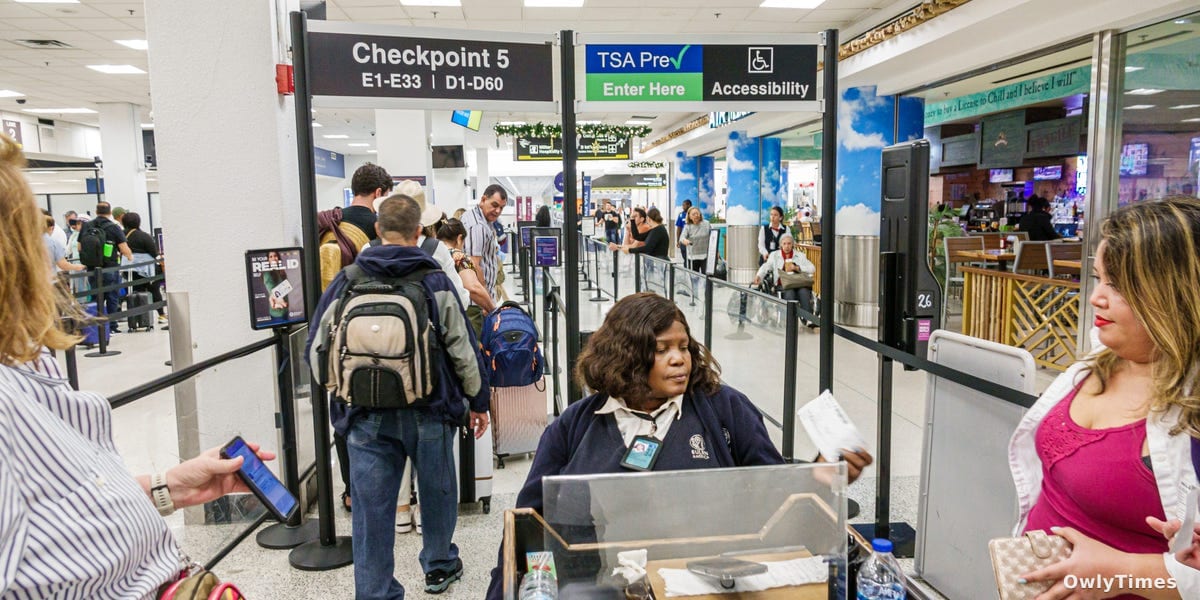
The initial reports of continued PreCheck lane operation despite the 6 a.m. ET deadline highlight a significant disconnect between official announcements and on-the-ground reality. Airports like Minneapolis, Washington D.C., and Orlando reported lanes remaining open, while Los Angeles immediately diverted passengers. This inconsistency raises questions about the level of coordination within the TSA and DHS, and whether the suspension was intended as a firm deadline or a phased implementation. The TSA’s statement about evaluating the situation “on a case-by-case basis” further muddies the waters, suggesting a reactive approach rather than a clear, consistent policy. This operational chaos isn’t accidental; it amplifies the sense of uncertainty and disruption, increasing the pressure on lawmakers to act. The cost of a five-year PreCheck pass ($76.75) or Global Entry membership ($120) becomes a symbolic reminder of a benefit suddenly revoked due to political impasse.
Beyond the Airport: The Broader Political Game
The suspension of these programs isn’t solely about airport security; it’s about controlling the narrative and shifting the blame. By framing the decision as a necessary measure to protect overall security, the DHS attempts to deflect criticism and portray itself as acting responsibly in the face of congressional inaction. This strategy relies on the public’s inherent anxiety about travel security, a vulnerability exploited by previous administrations during similar standoffs. The fact that CLEAR continues to operate underscores the inherent contradiction: expedited screening is possible, but only for those willing to pay a private fee. This highlights the potential for privatization of essential services, a long-term goal of some within the administration. The next political chess move to watch is whether the DHS will expand these disruptions to other areas – potentially slowing passport processing or reducing border patrol staffing – or whether the current pressure will be sufficient to compel a budget agreement. The question isn’t if the administration will escalate, but where and when.