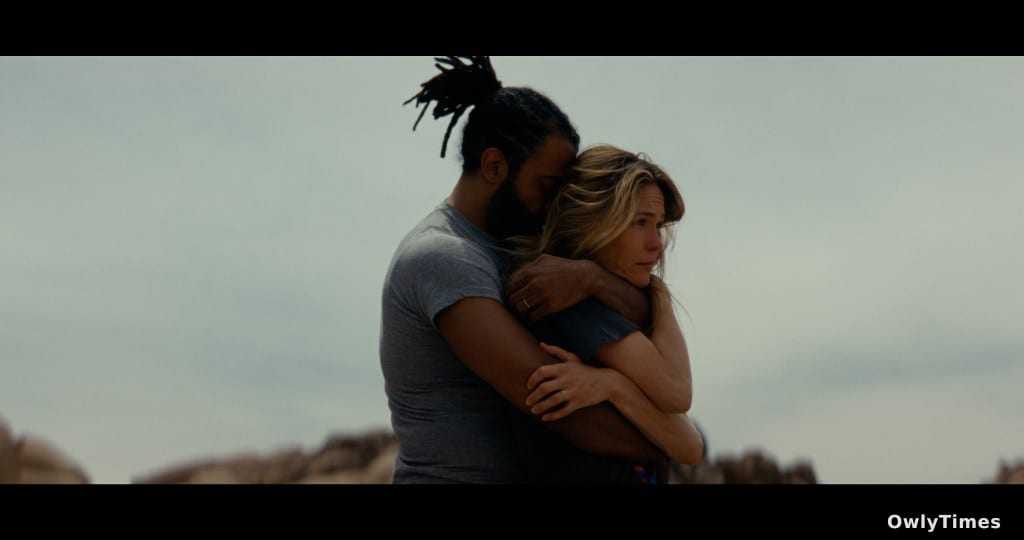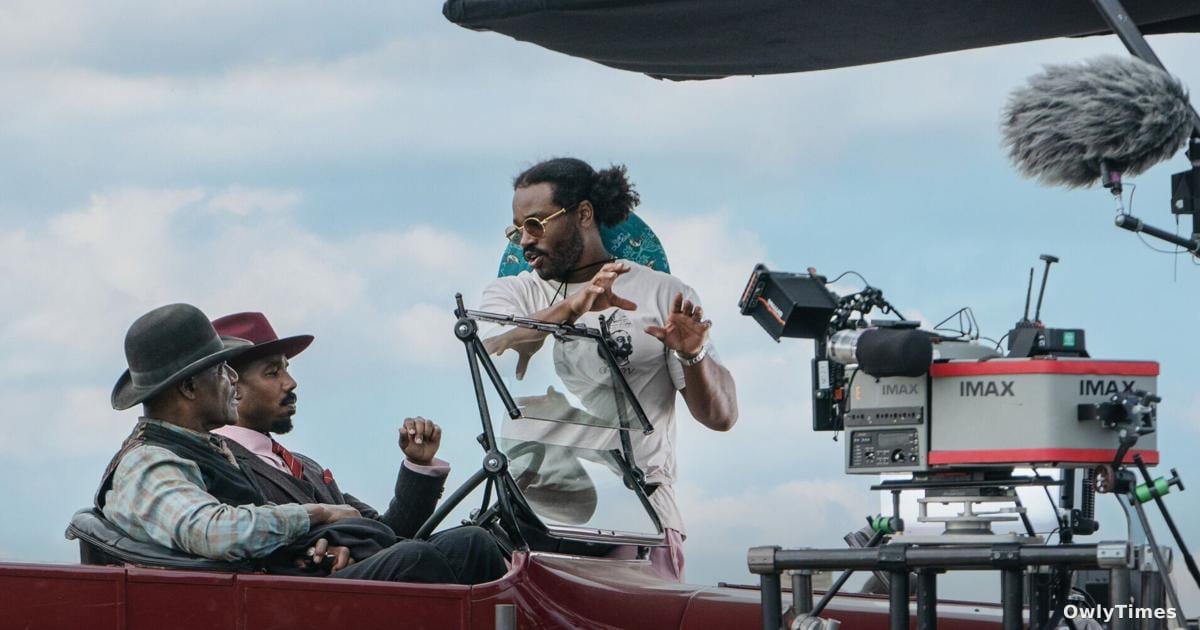

The air in the historic Saenger Theatre in New Orleans hung thick with anticipation last month, not just for the premiere of “Sinners,” but for what the film represented: a reckoning, and a revival. Ryan Coogler’s vampire thriller isn’t just racking up box office numbers – a staggering $369 million worldwide – or a record-breaking 16 Academy Award nominations. It’s sparking a conversation about cultural inheritance, about who gets to tell the stories that built American music, and about the enduring power of the blues. As Coogler potentially prepares for a U-Haul trip to collect those Oscars on March 15th, the real victory might be the spotlight he’s shone on a generation of Louisiana musicians whose influence reverberates through every genre we listen to today.
“Sinners” isn’t simply set in the juke joints of the 1930s South; it’s built from them. Coogler doesn’t just recreate the atmosphere, he excavates the sonic DNA of rock ‘n’ roll, soul, R&B, rap, and even country music, tracing it back to its source. The film’s original song, “I Lied to You,” isn’t a stylistic choice, it’s a time machine, seamlessly transitioning from the grit of the 30s to the electric energy of decades to come. This isn’t a historical footnote; it’s a direct line connecting the past to the present, a visual and auditory argument for the blues as the bedrock of modern popular music. The fact that a horror film is leading this charge feels particularly potent – a genre often dismissed as disposable is now actively preserving cultural memory.
The impact extends beyond the film’s narrative. Buddy Guy, the 89-year-old blues legend from Pointe Coupee Parish, appears in “Sinners” as an older version of “Preacher Boy” Moore. But his inclusion isn’t just a cameo; it’s a symbolic passing of the torch. Guy, a Grammy Lifetime Achievement Award winner and Kennedy Center honoree, isn’t slowing down, with an Australian tour scheduled for April. This speaks to a larger trend: the continued vitality of these elder statesmen of the blues, refusing to be relegated to the past. The film’s success has undeniably amplified their reach, introducing them to audiences who might otherwise never have discovered their music. Consider that “Juke,” performed by Guy and Miles Caton in the film, has already garnered over 2.2 million streams on Spotify and nearly 750,000 views on YouTube – numbers that represent a significant surge in exposure for a genre often struggling for mainstream attention.
But the story isn’t solely about celebration. The inclusion of the late harmonica legend Little Walter – born Marion Walter Jacobs in Marksville – is a bittersweet reminder of the sacrifices and struggles inherent in the blues tradition. Walter’s story, marked by alcoholism and a tragically short life, cut short at 37, is a stark contrast to the longevity of artists like Guy and Bobby Rush. While Rush, 92, wasn’t visually featured in “Sinners,” his harmonica work was integral to the character “Delta Slim,” and he’s currently maintaining a rigorous touring schedule, from the French Quarter Festival to the Ribs & Blues Festival in the Netherlands. This juxtaposition highlights a tension within the blues narrative: the celebration of enduring talent alongside the acknowledgement of lost potential and the harsh realities faced by many of its pioneers. It’s a reminder that the music we enjoy today often came at a significant personal cost.
Source material: theadvocate.com.
The cultural impact of “Sinners” is already being felt in Louisiana, particularly in St. Landry Parish, where the film’s roots run deep. Herman Fuselier, executive director of the St. Landry Parish Tourist Commission, notes the renewed interest in the region’s musical heritage. This isn’t just about tourism dollars, though those are welcome. It’s about reclaiming a narrative, about recognizing the contributions of a community that has historically been overlooked. The film’s success forces a question: will this moment translate into sustained support for blues musicians and cultural preservation efforts in Louisiana? Will the renewed attention lead to increased funding for music education programs, historical archives, and the preservation of juke joint venues?
Beyond the headlines of Oscar nominations and box office receipts, “Sinners” is a cultural intervention. It’s a reminder that American music isn’t a monolith, but a complex tapestry woven from the experiences and innovations of countless artists, many of whom remain largely unknown. The film’s success isn’t just a win for Ryan Coogler and his cast; it’s a challenge to the industry to look beyond the mainstream, to invest in the preservation of cultural heritage, and to recognize the enduring power of the blues – not as a relic of the past, but as a vital force shaping the future of music. The question now is whether Hollywood, and the wider music industry, will heed the call.