
Is Silicon Valley finally admitting its AI obsession might have been… premature? The breathless rush to automate everything, to hand control over to algorithms, feels less inevitable and more like a phase as we enter what’s being called a “post-AI condition.” The upcoming Sónar+D festival in Barcelona isn’t about dismissing artificial intelligence, but about recalibrating our relationship with it – and, crucially, reclaiming agency. The real story here isn't the continued development of AI – it's the growing recognition that technology, at its best, should be a tool for human engagement, not a replacement for it.
Sónar+D 2026, running June 18th-19th at the historic Llotja de Mar, isn’t presenting AI as the finished product, but as a system to be negotiated. François Pachet, Nao Tokui, and Anna Xambó are among the speakers exploring how musicians and technologists are adapting to a world where machine learning is already woven into the fabric of creative work. This isn’t about fearing the robots stealing our jobs; it’s about understanding how to collaborate with them, and more importantly, defining the boundaries of that collaboration. The festival’s opening performance – a duet between pianist Ignasi Terraza and an AI – perfectly encapsulates this tension: human timing meeting machine response, a conversation rather than a takeover.
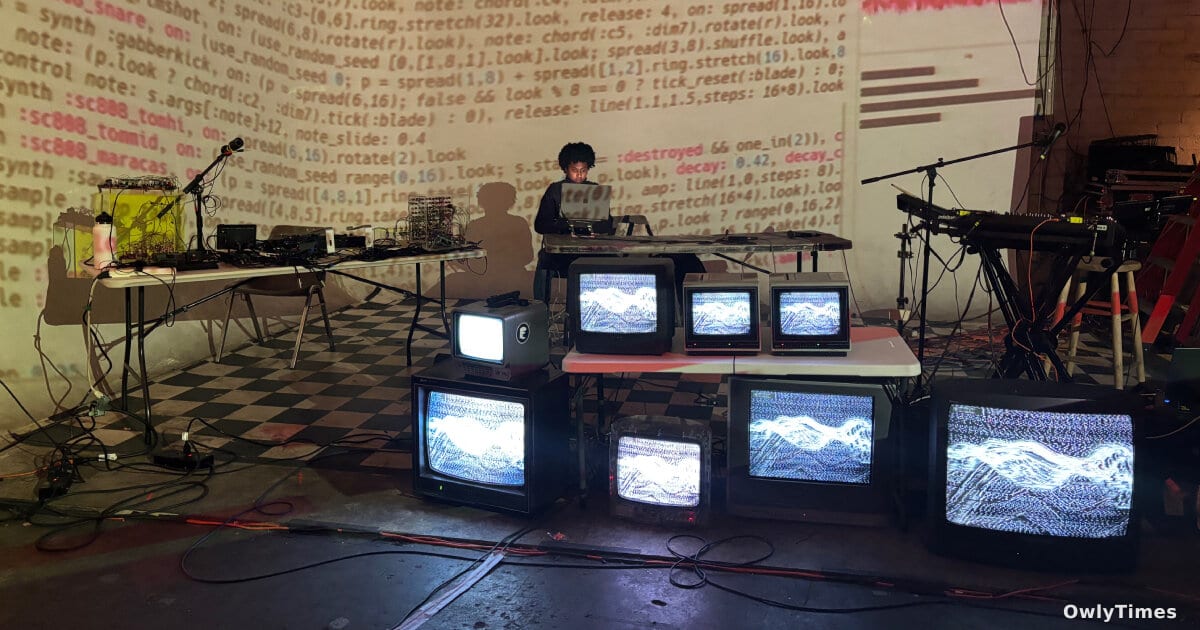
But the festival’s shift goes deeper than just a nuanced take on AI. A significant thread running through the program is a deliberate return to physicality. After years of screen-dominated existence, artists are actively reintroducing touch, movement, and presence into digital practice. Think of performers like Evicshen and Fitnesss creating instruments worn on the body, generating sound through pressure and friction. Or choreographer collaborations with Riusforza where physical action directly translates into digital response. This isn’t a nostalgic rejection of the digital; it’s a recognition that our bodies are the original interface, and that meaningful interaction requires more than just swiping and clicking. Consider the implications for everyday tech: we’ve spent a decade optimizing for seamless, invisible technology. What happens when the next wave of innovation emphasizes the physical sensation of using a device, the deliberate act of creation?
Reporting from designboom.com informs this analysis.
This emphasis on embodiment extends beyond performance. Artist Mónica Rikić is bringing robotics into discussions about care, prompting us to consider how machines can directly address human needs. Meanwhile, Keiken is challenging audiences to actively construct their own realities, moving away from passive consumption and demanding participation. This isn’t just about workshops and talks; it’s about fundamentally rethinking the relationship between creator and audience. The festival is deliberately blurring the lines, inviting attendees to explore alternative internet frameworks with communities like 0xSalon and rethink the very structure of the digital world alongside thinkers like Yancey Strickler and Mindy Seu. The shift is from being users of the internet to being architects of it.
The architectural redesign of Llotja de Mar itself reinforces this theme of engagement. Circular layouts, open spaces, and a focus on informal exchange are all designed to foster conversation and collaboration. The festival isn’t presenting a series of isolated events; it’s creating a continuous environment where ideas circulate, evolve, and are tested in real-time. This is a stark contrast to the typical tech conference, where presentations often feel like pronouncements from on high. Sónar+D is actively soliciting feedback, inviting participation, and acknowledging that innovation is often a collective process.
What we’re seeing at Sónar+D isn’t a rejection of technology, but a demand for intentionality. It’s a pushback against the idea that “faster, cheaper, more automated” is always better. The festival is asking a crucial question: how much agency should remain with the human, and how much can – or should – be delegated to systems? Don’t expect a definitive answer in Barcelona this June. But watch closely for a growing consumer backlash against frictionless tech that feels… soulless. The next big thing won’t be about eliminating friction, it will be about meaningful interaction. And the companies that understand that will be the ones that thrive.