
Shares of SpaceX closed at $131.11 on Thursday, marking the first time the company has finished a trading session below its $135 initial public offering price since its June 12 debut. This decline represents a significant reversal from the stock's opening performance, where it surged as high as $193 on its first day of trading, according to NBC News.
Follow the money, and the trend reveals a shift in market sentiment driven by debt and aggressive short selling. While The Guardian reports that the company’s market value has retracted from a peak of over $2.6 trillion in its first three days to $1.72 trillion, short sellers have intensified their positions. CNBC notes that bearish wagers now account for roughly 29% of the company’s public float, or approximately $25 billion in total bets, a sharp increase from the 5% to 7% of the float held by short sellers just three weeks ago.
The Debt and Dilution Pressure
Financial pressure on the stock has been compounded by capital allocation decisions. NBC News reports that the company issued $25 billion in additional debt shortly after raising $75 billion in its IPO. The Guardian highlights that the company’s largest single-day drop occurred on June 22, immediately following the announcement of this debt issuance. These moves have weighed heavily on retail investors, including high-profile backers like Gina Rinehart, whose Hancock Prospecting firm potentially saw an estimated $500 million paper gain evaporate as the stock price retreated.
The Looming Lockup Expiration
Investors are bracing for a potential increase in volatility as the company approaches its first earnings report. CNBC reports that only about 5% of the company’s 13 billion outstanding shares are currently in the public float, leaving the vast majority of stock subject to lockup restrictions. KeyBanc Capital Markets projects that the first major unlock, representing roughly 11% of outstanding shares, could coincide with the upcoming second-quarter earnings release. While Elon Musk’s own 42% stake remains locked until June 2027, the expiration of these initial windows could significantly expand the supply of shares available for sale.
Operational Catalysts and Market Sentiment
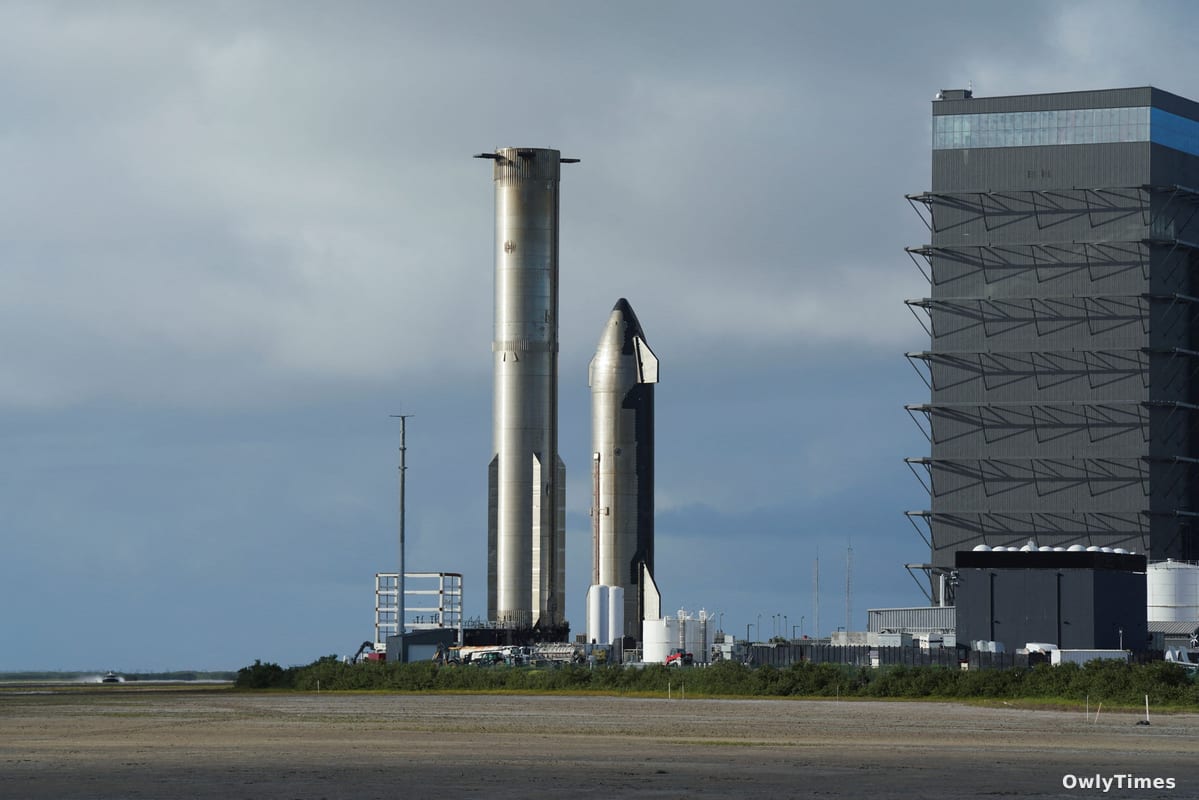
The company’s ability to recover may hinge on its core aerospace operations. NBC News reports that shares dipped as low as $124 in after-hours trading Thursday following the delay of a flagship Starship launch. MarketWatch frames this as a critical inflection point, with analysts suggesting that successful execution of these engineering milestones is the company’s most important watch item.
For the individual investor, the takeaway is one of patience versus short-term pressure. While the stock has fallen in seven of the last eight trading sessions, analysts like Tony Sycamore of IG Australia suggest that for those backing the long-term vision of the company, current price action may be secondary to the decade-long horizon of the industry. However, with the first earnings report serving as a trigger for both share unlocks and a potential reset of valuation expectations, the immediate path for the stock remains tied to the successful deployment of hardware and the shifting tides of institutional liquidity.