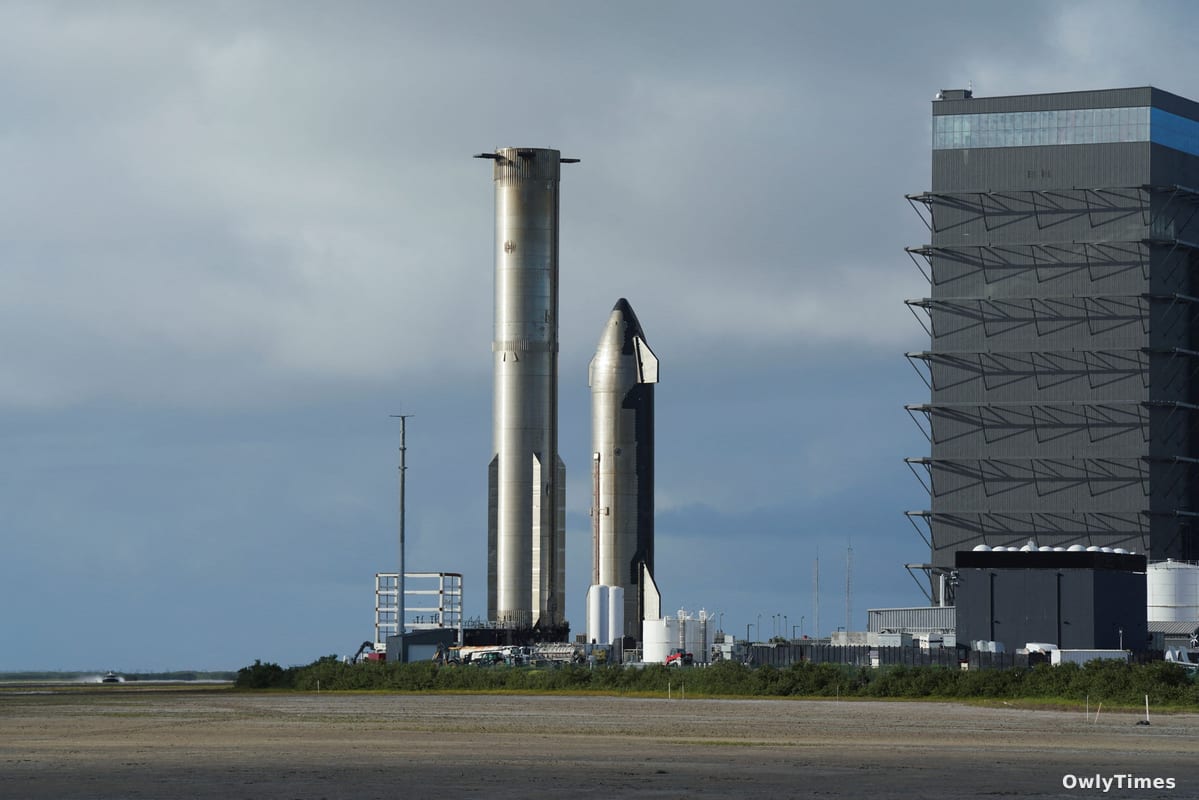

$131.11 is where SpaceX shares closed on Thursday, reflecting a downward trend that pushed the stock further below its $135 initial public offering price following the sudden abort of the 13th Starship test flight. The scrubbed launch, which occurred at 6:45 p.m. ET at the company’s Starbase, Texas, facility, triggered a more than 3% decline in extended trading, according to CNBC.
Engine Failures and Operational Delays
The abort sequence was initiated automatically as the Super Heavy booster’s 33 Raptor engines began their ignition process. While SpaceX officials did not immediately confirm the specific number of engine failures during the livestream, TechCrunch and Ars Technica reported that graphics displayed on the company’s broadcast indicated four engines failed to fire. CEO Elon Musk later confirmed via X that the company intends to remove and replace two of the Raptor engines to ensure a successful flight, with the most probable launch window pushed to early next week. This delay comes on the heels of an FAA-mandated review following the May test flight, where the agency identified heat effects and alarm system settings as the primary causes for previous booster anomalies, as noted by CNBC.
Follow the Money: Scaling the Starlink Ambition
The financial stakes of the Starship program remain high, as investors weigh the company's valuation against its technical performance. Since its IPO last month—which raised a record-setting $85.7 billion—SpaceX stock has faced significant volatility, entering a five-day losing streak reported by CNBC. TechCrunch clarifies that while the company briefly reached valuations comparable to tech giants like Amazon and Microsoft, the stock has steadily declined over the past month. The mission itself is critical to these valuations, as Starlink remains the company’s primary revenue driver. Thursday’s mission was intended to test the deployment of 20 next-generation Starlink V3 satellites, which were expected to "demise upon reentry" roughly 20 minutes after deployment, according to Space.com.
Investor and Consumer Takeaway
For those tracking the company’s trajectory, the primary takeaway is the narrowing margin for error as SpaceX transitions from private development to public scrutiny. The aborted flight serves as a reminder that the transition to the upgraded V3 rocket remains a work in progress. While the FAA has cleared the vehicle for flight, the hardware-level adjustments—specifically the replacement of Raptor engines—indicate that technical hurdles continue to impact the company’s timeline for scaling its orbital data center ambitions. Investors should monitor the early next week window mentioned by Musk as a key indicator of how quickly SpaceX can rectify engine performance issues and stabilize its market position.