
A 25% tariff on most imports from Brazil will take effect on July 22, the U.S. government announced Wednesday, marking a significant escalation in trade tensions between the two nations. The move follows a yearlong investigation by the Office of the U.S. Trade Representative (USTR) into what Washington has formally classified as unfair trade practices, according to reports from CBS News.
Follow the money: The administration is strategically targeting specific sectors while attempting to minimize domestic economic disruption. Both CBS News and The Independent confirm that the order explicitly exempts goods not produced in the U.S. or items that could cause supply chain volatility, such as beef, coffee, oranges, orange juice, aerospace parts, and certain oil and gas products. However, CNBC adds that the scope of the tariffs is broad enough to hit a wide array of other goods, following the failure of recent high-level negotiations.
The U.S. government justifies these levies by pointing to a specific set of grievances. CNBC reports that the investigation highlighted Brazilian policies regarding American technology companies—specifically citing Meta, X, and Google—which have been ordered to remove political content or suspend accounts belonging to U.S. residents. Other cited issues include weak intellectual property enforcement, ethanol market barriers, and what the U.S. characterizes as preferential treatment for Mexico and India. CBS News further notes the USTR's concern regarding "lax anti-corruption enforcement" and the alleged use of illegally logged land by Brazilian farmers.
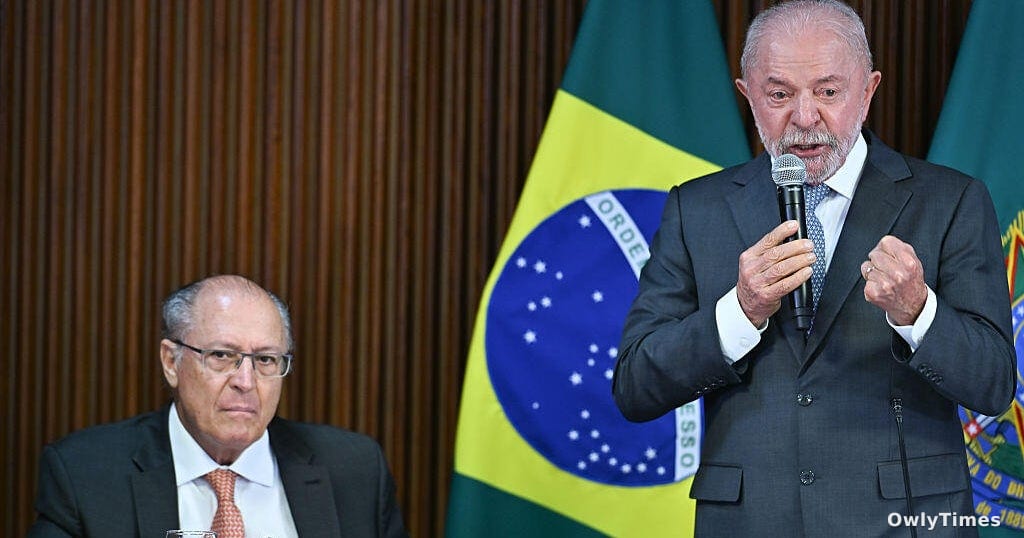
Brazilian President Luiz Inácio Lula da Silva has rejected these findings, characterizing the tariffs as groundless and stating there is "no justification for unilateral measures." Lula highlighted that the U.S. has maintained a cumulative goods and services surplus with Brazil totaling $424.5 billion over the past 15 years, according to data cited by both CBS News and CNBC. CNBC notes that this U.S. goods trade surplus reached $14.4 billion last year, more than doubling from the prior year.
The political backdrop of this decision remains contested. While senior Trump administration officials told CBS News and The Independent that politics played no role, Lula pointed to the influence of his rival, Senator Flávio Bolsonaro, who recently visited Washington. CNBC reports that Secretary of State Marco Rubio countered that the Brazilian government had simply "not negotiated in good faith."
These tariffs are authorized under Section 301 of the Trade Act of 1974, a legal pivot after the U.S. Supreme Court struck down earlier, more aggressive tariffs in February. As for what this means for your wallet, the immediate trigger to watch is next week: CNBC reports that a separate U.S. probe into forced-labor enforcement could result in an additional 12.5% duty on Brazilian goods, with a decision expected in the coming days.