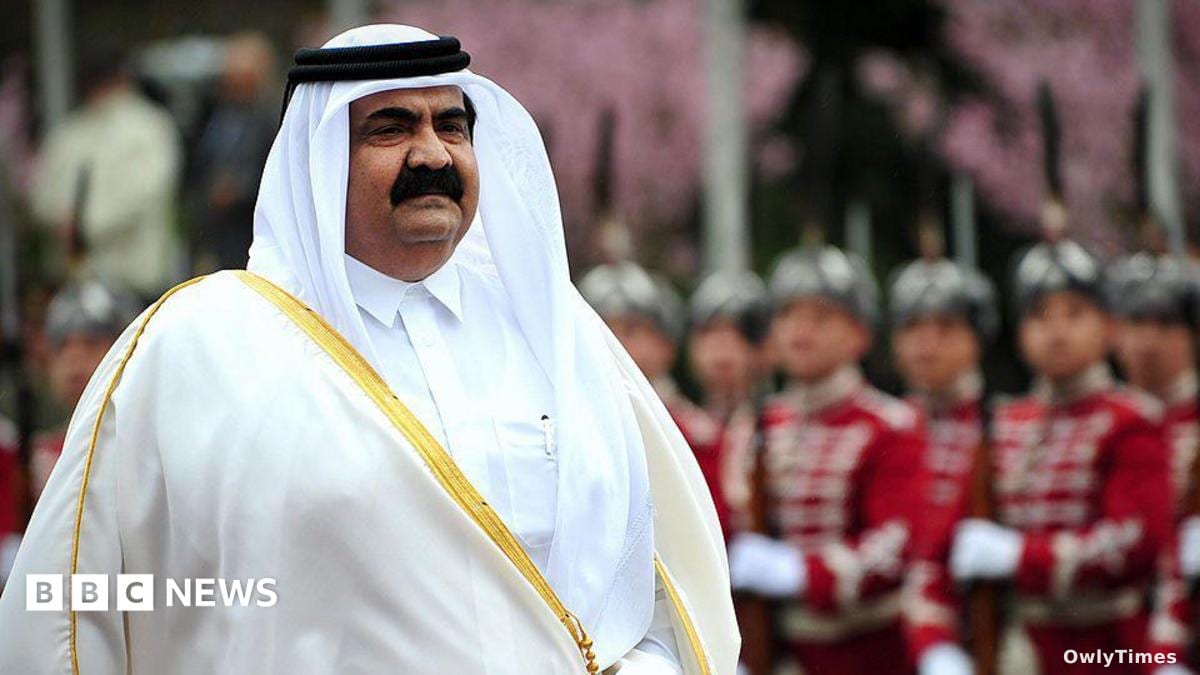

Is it possible for a single person to rewrite the operating system of a nation, turning a quiet, gas-dependent peninsula into a high-stakes global hub? The death of Sheikh Hamad bin Khalifa Al Thani at age 74 serves as a stark reminder that in the world of geopolitics—much like in the tech sector—disruption is the only true constant.
The real story here isn’t just the passing of a former monarch; it’s the blueprint he built for "nation-scaling." Just as a tech founder might pivot a failing startup into a unicorn, Sheikh Hamad took a struggling, oil-dependent Qatar in 1995 and effectively pivoted the entire country’s business model. According to the BBC, he did this by brokering international partnerships to transform Qatar into a global powerhouse for liquefied natural gas.
From Backwater to Global Interface
Sheikh Hamad’s strategy was essentially an exercise in aggressive market expansion. As ABC News notes, he turned Qatar into an international crossroads by investing in high-profile assets like London’s Harrods and the Paris Saint-Germain football club. He didn’t just invest; he built infrastructure for influence. This included the creation of the Al Jazeera satellite network, which served as a media disruptor, intentionally breaking the traditional, deferential patterns of Arab journalism to command global attention.
This rapid scaling was not without its "bugs." His independent-minded policy-making—which included maintaining ties with Iran, Hamas, and Egypt’s Muslim Brotherhood—often strained relations with Western and regional allies, according to ABC News. It was a high-risk, high-reward strategy that mirrored a Silicon Valley "move fast and break things" approach, forcing traditional powers to react to Qatar's agility.
The Great Transition
Perhaps his most radical move was his exit strategy. In June 2013, Sheikh Hamad voluntarily abdicated, handing power to his son, Sheikh Tamim bin Hamad Al Thani. While the BBC focuses on his initial 1995 coup against his father as the catalyst for his reign, ABC News highlights that his abdication was a rarity in the region, designed to stave off the instability seen elsewhere during the Arab Spring.
The logistics of mourning are as structured as a corporate shutdown. The Amiri Diwan announced that the country will observe four days of mourning, with flags at half-mast. While the BBC notes that government offices and public institutions will be shut, Euronews clarifies the timeline: work at these ministries will be suspended starting Monday, with employees expected to return on Sunday, July 19.
The Legacy of the Infrastructure
For the ordinary citizen, the impact of these high-level shifts is felt in the country’s massive development projects. The international airport in Doha—which cost at least $15 billion to build—bears his name, standing as a physical testament to his ambition. As Euronews reports, his funeral is scheduled for dusk on Sunday following Maghrib prayers.
The true legacy of Sheikh Hamad will be tested in the coming weeks. As the nation transitions through this period of mourning, the focus shifts to whether his son, Sheikh Tamim, can maintain the delicate balance of international influence and domestic stability his father established. Watch the diplomatic response from the Gulf states and Iran; their official statements will provide the first real-time data on whether Sheikh Hamad’s carefully built network of alliances holds firm or begins to fracture under new leadership.