
If the global economy is a complex machine, why does it feel like we’re constantly guessing which gear is about to snap? We often treat market volatility like a mysterious force of nature, but the real story here isn’t the chaotic headline of the day—it’s how geopolitical friction is effectively acting as a high-stakes tax on your everyday life.
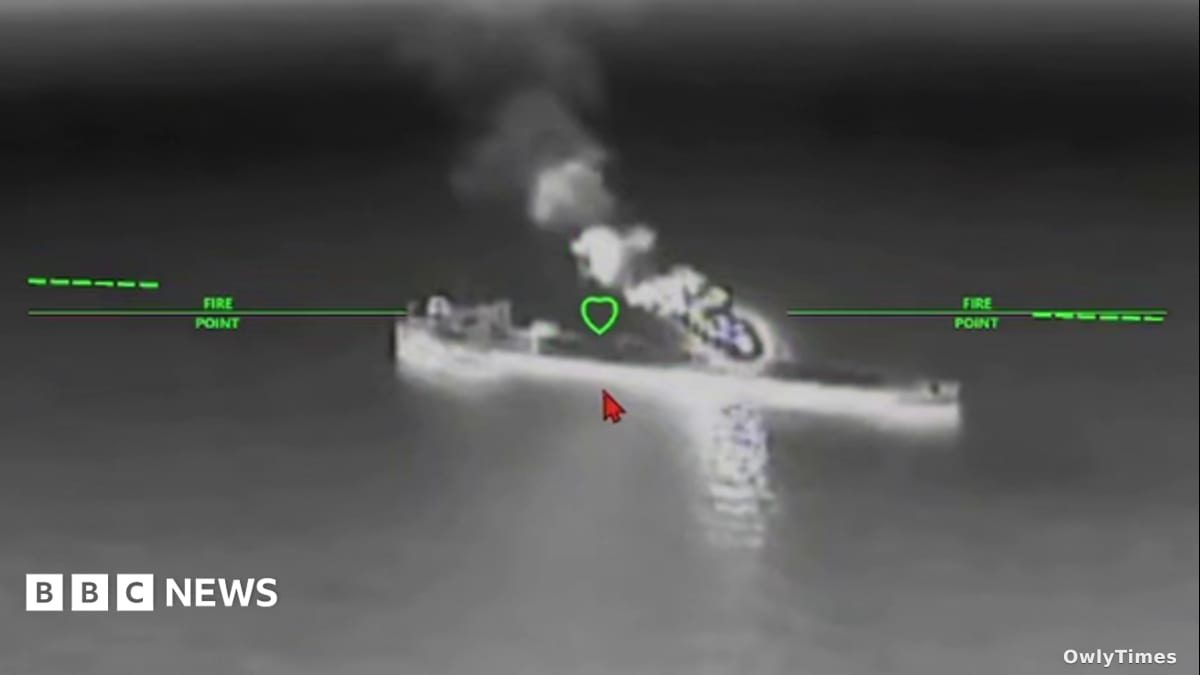
As of 5:30 a.m. Eastern Time on July 16, 2026, the global energy landscape took a sharp turn, with Brent crude oil dropping to $84.64 per barrel, according to Fortune. This shift represents a $1.28 decrease from the previous day, though it remains significantly higher than the price point from one year ago. While market watchers might view this as a standard supply-and-demand fluctuation, the context provided by Euronews suggests a far more volatile backdrop: Iran has launched retaliatory attacks on U.S. bases in Kuwait, Bahrain, and Jordan.
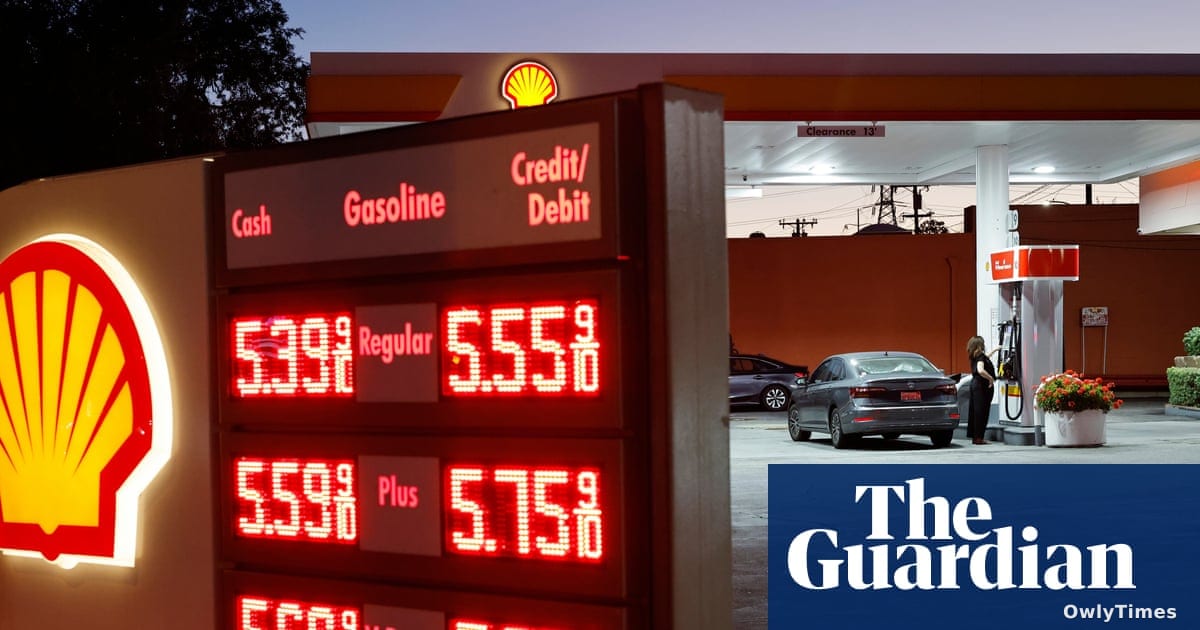
This isn’t just a matter of global indices; it’s a direct hit to the consumer wallet. Fortune notes that while crude oil prices often lead to rapid increases at the gas pump, the reverse is rarely true, thanks to a phenomenon known as the "rockets and feathers" effect, where price drops at the pump lag behind the actual commodity market. For the average person, this means that even as benchmark prices oscillate, the cost of the logistics required to keep grocery shelves stocked and delivery services running remains stubbornly tied to the threat of supply chain disruption.
The interconnectedness of these sectors is profound. When oil prices spike, industries often pivot to natural gas to maintain operations, effectively creating a domino effect that raises energy costs across the board. While the U.S. Strategic Petroleum Reserve exists as a safety net for such emergencies, Fortune clarifies that it is a temporary buffer, not a long-term cure for systemic instability.
Interestingly, while the macro environment is tightening, the retail tech sector is aggressively attempting to lower the barrier to entry for consumers. WIRED reports that Lenovo is currently leveraging heavy discounting, including up to 35% off their Idea Tab Pro tablet, to maintain sales momentum. While these two stories—geopolitical instability and consumer tech pricing—might seem worlds apart, they share a common thread: the desperate attempt to keep the consumer economy moving when the cost of doing business is fundamentally unpredictable.
We are seeing a divergence in how organizations are responding to this uncertainty. While energy markets are reacting to the immediate threat of closed shipping lanes and military escalation, manufacturers are turning to aggressive, coupon-based incentives to lock in consumer loyalty.
Expect the next major market signal to come from the energy sector’s reaction to the security of the Strait of Hormuz. With reports that Iran is threatening to halt all Middle East energy exports, the "rockets and feathers" effect at the gas pump will likely be put to a severe test, as any further closure of key transit points will almost certainly trigger a rapid, and potentially sustained, climb in fuel costs regardless of current, temporary price dips.