
Is it possible that the "smart" global economy is actually just a house of cards held together by a few fragile, chokepoint shipping lanes? We like to talk about the digital revolution as if it’s untethered from the physical world, but the current escalation between the United States and Iran proves that when the pipes—or in this case, the Strait of Hormuz—get clogged, the entire tech-heavy global market feels the pinch immediately.
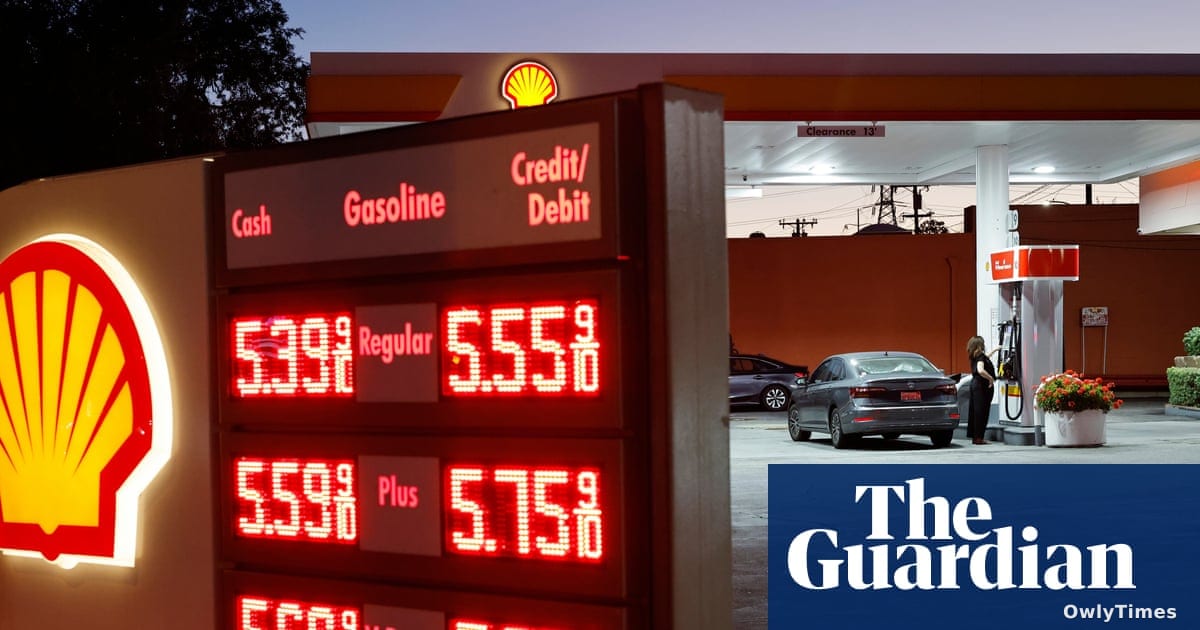
The real story here isn't just the tactical military movements—it’s the total breakdown of the global energy supply chain that powers everything from our server farms to our morning commutes. According to The Guardian, the average price of diesel in the U.S. has surged past $5 per gallon, a stark jump from the $3.72 seen a year ago. This isn't just a number on a pump; it’s a direct tax on the logistics networks that keep our online shopping habits running.
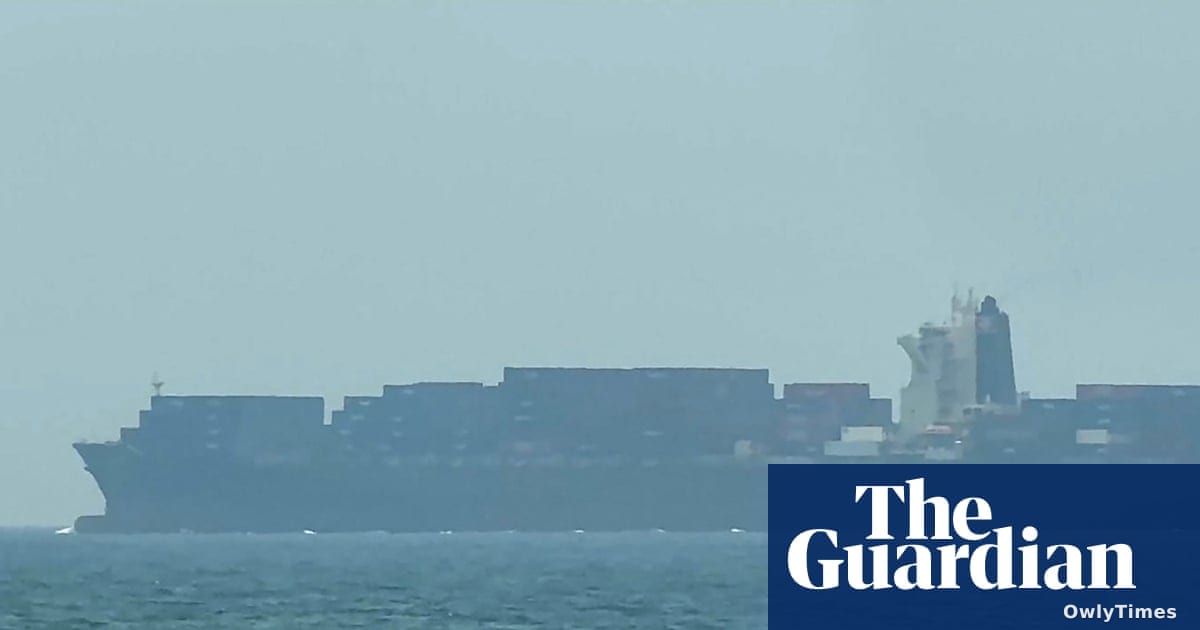
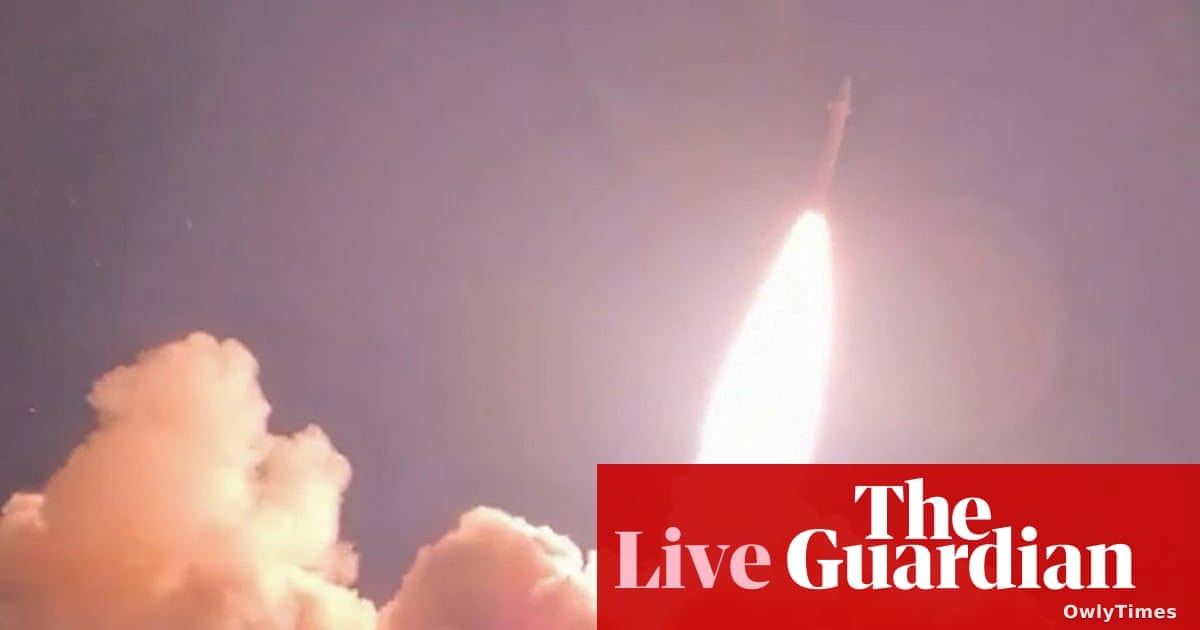
The military situation has spiraled rapidly since Wednesday. Al Jazeera reports that CENTCOM has widened its campaign, striking command centers and missile sites as far north as Tehran, while simultaneously disabling an oil tanker near the Strait of Hormuz using Hellfire missiles. Meanwhile, The Guardian notes that a separate incident off the coast of Iraq saw a drone strike a tanker carrying American-branded cars, prompting a total suspension of crude oil loading at all Iraqi terminals.
The human cost, however, is where the rhetoric hits a wall. Esmail Baghaei, the Iranian foreign ministry spokesperson, accused the U.S. of a "barbaric attack" near a children’s cancer hospital in Ahvaz, which reportedly forced the emergency evacuation of 211 chemotherapy patients, as reported by both The Guardian and Al Jazeera. While the U.S. has not commented on that specific allegation, Al Jazeera cites a casualty figure of at least 35 dead and 300 wounded in the wave of attacks that began last Wednesday.
The regional fallout is equally volatile. Iran’s Islamic Revolutionary Guard Corps (IRGC) claimed to have targeted U.S. assets in Kuwait and Bahrain, including radar systems and fuel depots. In a separate confirmation, ABC News reports that Jordan’s military successfully intercepted eight Iranian missiles launched at its territory. Al Jazeera adds that Iraqi authorities reported five drones attacking Erbil, though Iran has not officially claimed responsibility for that specific strike.
For the average user, the takeaway is simple: our tech-enabled life is running on a fuel supply that is currently being held hostage by geopolitical brinkmanship. President Donald Trump claims that Iran is still looking to settle, but the IRGC’s threat to halt all Middle Eastern energy exports suggests the "settlement" is nowhere in sight. Keep an eye on the upcoming fuel price indices; the next major signal will be whether the U.S. naval blockade manages to keep the Strait of Hormuz navigable or if the market enters a permanent state of supply-side shock.