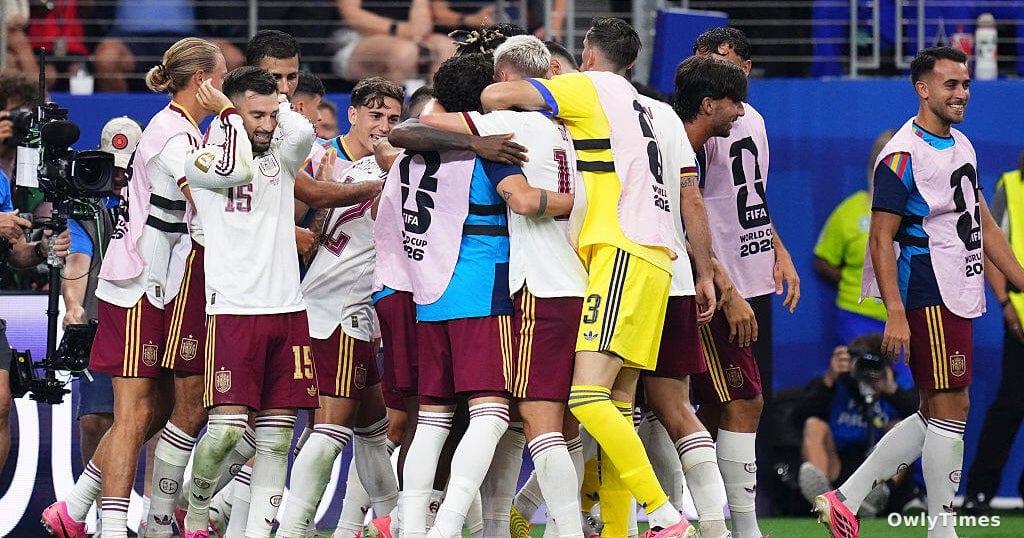

The roar of the crowd in Arlington, Texas, this Tuesday marked more than just a trip to the World Cup final; it signaled a profound shift in the hierarchy of international soccer. Spain dismantled France in a clinical 2-0 victory, securing their place in Sunday’s championship match at MetLife Stadium in New Jersey. As reported by both CBS News and the BBC, the win was defined by a masterful defensive discipline that frustrated the French side throughout the semifinal clash.
A Decisive Strike in Texas
The match turned on a pivotal moment in the 22nd minute when Mikel Oyarzabal converted a penalty kick. According to CBS News, the foul was drawn by the tournament’s breakout teenage sensation, Lamine Yamal, who was brought down by French defender Lucas Digne. The goal marked Oyarzabal’s fifth of the tournament and his 30th in 60 international appearances. While The Guardian had previously framed the contest as a battle between France’s "magical front four" and Spain’s sturdy backline, it was Spain’s goalkeeper Unai Simón who once again proved decisive, maintaining his form with six shutouts across the tournament.
The lead was doubled in the 58th minute following a crisp give-and-go between Pedro Porro and Dani Olmo, a sequence that effectively silenced any hopes of a French comeback. This victory holds significant weight, as CBS News notes it is the third consecutive summer Spain has eliminated France in a tournament semifinal. The result ends France’s bid for a third straight World Cup final appearance, forcing them to settle for a third-place match in Miami Gardens this Saturday.
Beyond the Pitch: Identity and Controversy
While the players focused on the tactical battle, the tournament has been overshadowed by an ugly discourse regarding national identity. Former Spanish Prime Minister Mariano Rajoy ignited a firestorm with an opinion column in El Debate—which he doubled down on following the victory—by questioning the "French-ness" of players like Kylian Mbappé, Ousmane Dembélé, and Michael Olise, as detailed by Euronews. The remarks were widely condemned as xenophobic by Spanish government officials, including Prime Minister Pedro Sánchez, who accused the former leader of "bringing shame on Spain."
The debate over heritage extended to Spain’s own camp as well. Fouzi Lekjaa, president of the Royal Moroccan Football Federation, recently drew scrutiny for a comment regarding Lamine Yamal, stating, "I don't know any Spaniard called Jamel," a remark interpreted by Euronews as a veiled reproach of the teenager’s decision to represent Spain over Morocco. Amidst the political noise, Yamal has consistently championed football as a vehicle for social cohesion, resisting the urge to engage in the inflammatory rhetoric surrounding his teammates and opponents.
The Road to the Final
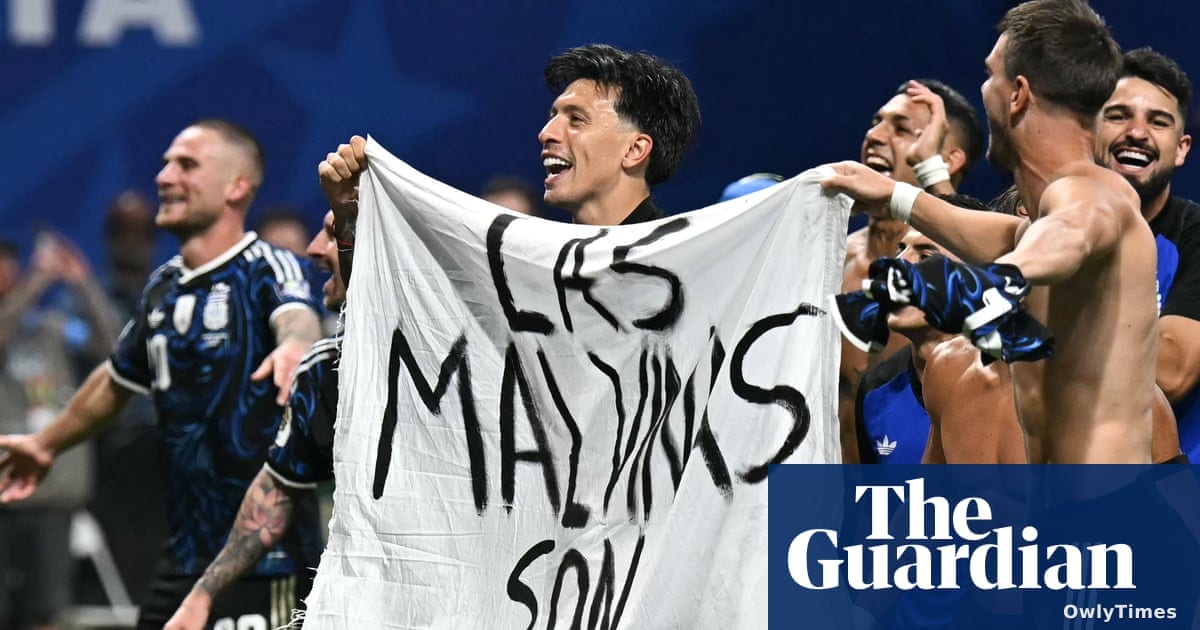
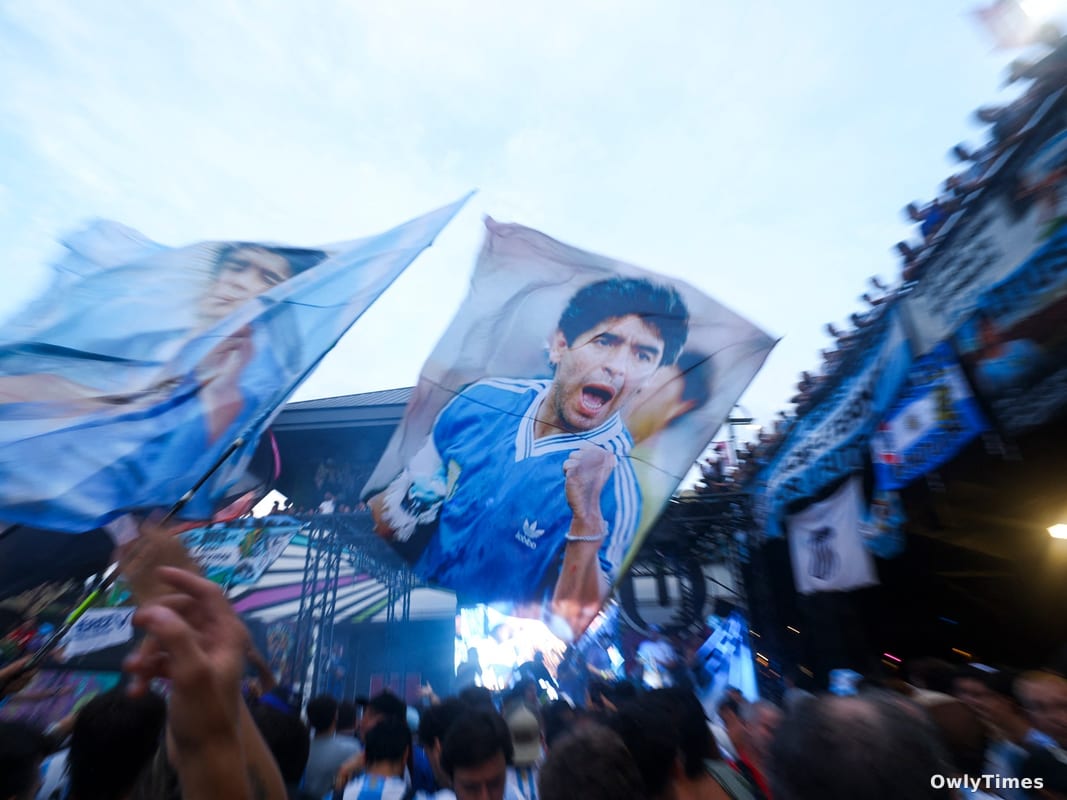
Spain now awaits the result of the second semifinal between Argentina and England. This upcoming match is steeped in history, with The Guardian highlighting that it has been 40 years since the infamous "Hand of God" incident, adding a layer of geopolitical tension to an already high-stakes encounter. For Spain, however, the focus remains on the momentum of a 37-match unbeaten streak in regular time, a run that CBS News confirms is a national record. As the industry watches, this World Cup serves as a reminder that while sport provides a stage for transcendent athletic performance, it remains inextricably linked to the broader, often contentious, cultural conversations of our time.