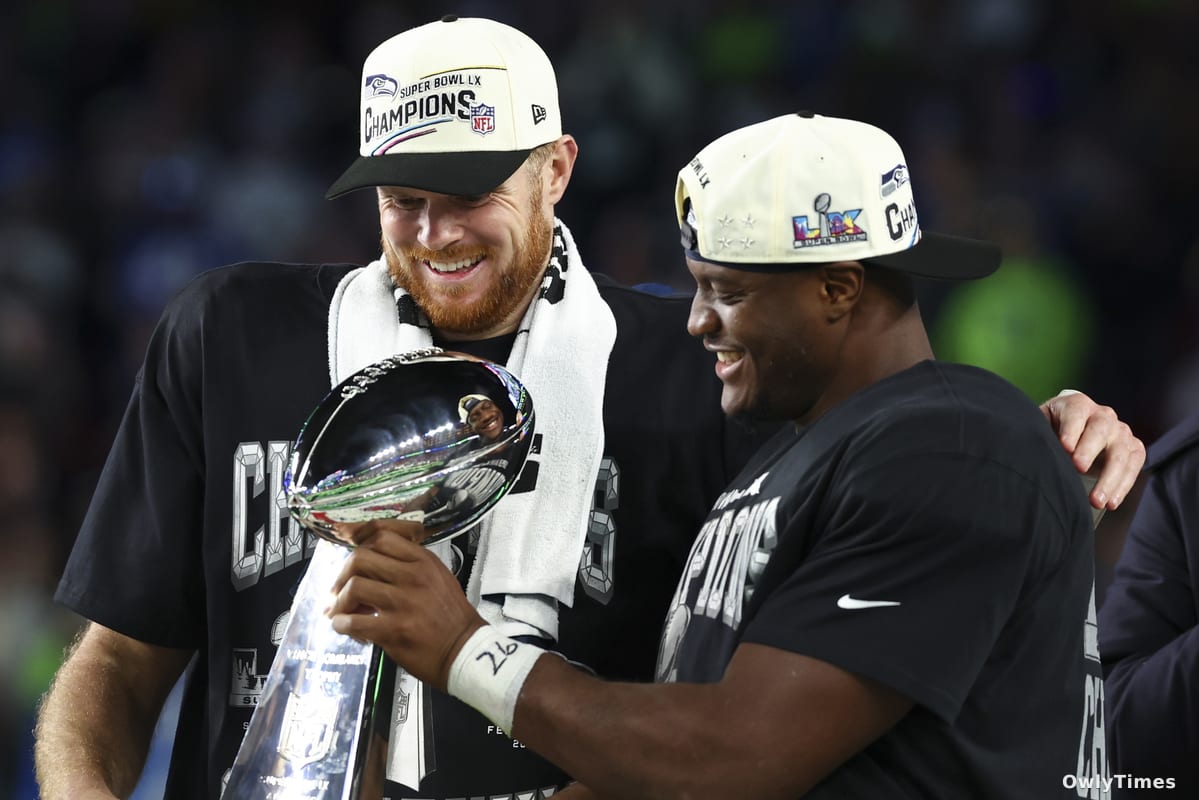

The hush of the Allison and Roberto Mignone Halls of Gems and Minerals at the American Museum of Natural History is about to be broken – not by the clatter of schoolchildren, but by the gleam of championship glory. Imagine the Vince Lombardi Trophy, usually sequestered behind glass in Canton, Ohio, resting amongst glittering rubies and ancient diamonds. It’s a jarring, deliberate juxtaposition, and it signals something bigger than just a new museum exhibit. “For The Win: Objects of Sports Excellence,” opening May 15th, isn’t simply about celebrating athletic achievement; it’s about examining how we celebrate it, and what those celebrations reveal about our culture.
From Berlin to Brooklyn: The Weight of Metal
The choice to place these artifacts – over 70 in total, spanning 15 sports and 150 years – within the gem halls is key. Vikki Tobak, the exhibition’s guest curator, known for her previous work exploring the cultural significance of hip-hop jewelry, understands that trophies aren’t just symbols of victory, they’re objects of desire, status, and even reverence. They’ve become our modern relics, imbued with a power that rivals ancient artifacts. This isn’t lost on the museum, which is consciously framing these objects not just as sports memorabilia, but as cultural touchstones. The inclusion of one of Jesse Owens’s gold medals from the 1936 Berlin Olympics is particularly potent. It’s a reminder that athletic triumph isn’t always divorced from political turmoil, and that even the purest displays of human achievement can be shadowed by larger societal forces. Owens’s four gold medals weren’t just a sporting feat; they were a direct rebuke to the Nazi regime’s ideology of racial superiority, a fact that resonates powerfully today.
This piece references the timeout.com report.
New York’s Moment and the Rise of the Athlete-Influencer
The exhibition isn’t solely focused on historical moments. It also shines a spotlight on New York’s current sports landscape, prominently featuring the 2024 WNBA championship rings of Jonquel Jones and Breanna Stewart of the New York Liberty. This is a deliberate move, reflecting the growing prominence of women’s sports and the Liberty’s recent surge in popularity – a 32% increase in attendance from 2022 to 2023, according to the WNBA. Alongside Kevin Durant’s 2012 Olympic gold medal, the inclusion of the Liberty’s rings speaks to a shift in the city’s sporting consciousness. It’s a recognition that championship glory isn’t limited to the Knicks or the Yankees anymore. Moreover, the involvement of Rich Kleiman, CEO of Boardroom, as a senior advisor, hints at a deeper understanding of the evolving relationship between athletes and culture. Kleiman, known for his work with Kevin Durant, is a key figure in the athlete-influencer space, and his input suggests the exhibition will explore how athletes are now brands, and how their victories translate into cultural capital.
Beyond the Scoreboard: The Business of Victory
The timing of “For The Win” is no accident. It launches just ahead of the 2026 FIFA World Cup, which will be jointly hosted by the United States, Canada, and Mexico. The museum’s accompanying initiative, “World Cup, World Cultures: Celebrating the Community and Science of Sport,” is designed to capitalize on the global influx of visitors and explore the broader impact of athletics. But the exhibition also arrives at a moment of increasing scrutiny surrounding the commercialization of sports. The value of a single championship win is astronomical – the Dallas Cowboys, consistently ranked as the most valuable NFL franchise, are worth an estimated $9 billion, according to Forbes. That value isn’t just tied to on-field performance; it’s inextricably linked to the allure of the Lombardi Trophy, the prestige of a Super Bowl ring, and the narrative of victory.
What’s Next for the Cult of Championship Hardware?
“For The Win” isn’t just a display of shiny objects; it’s a provocation. It asks us to consider why we elevate these symbols of athletic achievement to such heights, and what that says about our values. Will this exhibition spark a broader conversation about the ethics of sports sponsorships, the pressures faced by athletes, or the growing gap between the commercial realities of professional sports and the ideals of amateur competition? The museum is betting that it will. The question now is whether the public will engage with the exhibition on that level, or simply admire the sparkle. And, crucially, will other institutions follow suit, recognizing that the story of sports isn’t just about the game itself, but about the cultural forces that shape it?

