
Beyond Nostalgia: Reclaiming Philadelphia’s Industrial Identity
The narrative of American industrial decline often focuses on rust belts and abandoned factories, a story of loss. But on March 6th, the Science History Institute in Philadelphia isn’t presenting a eulogy; it’s launching an excavation. Their new exhibition, “Philadelphia: Workshop of the World,” timed to coincide with their monthly First Friday event, isn’t simply a historical retrospective, but a deliberate attempt to reframe how Philadelphians – and the nation – understand the city’s contribution to manufacturing and innovation. This isn’t about romanticizing a bygone era, but about understanding the deep roots of technical expertise that still exist, and could be vital for future economic growth. The timing is particularly relevant as Philadelphia navigates a complex economic landscape, seeking to redefine its role in a post-industrial world.
This piece references the phillyvoice.com report.
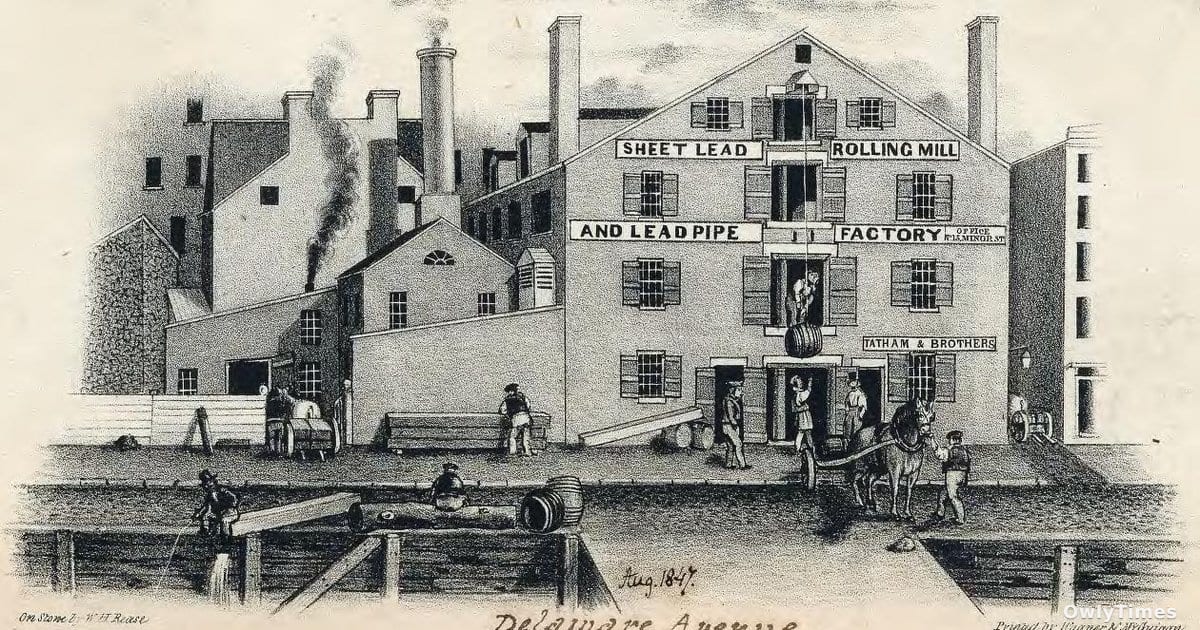
The exhibition, part of the Institute’s “A Closer Read” series, centers on original publications from companies that drove Philadelphia’s industrial boom between the 1800s and the 1920s. This isn’t a display of finished products – ships, yarn, paints – but the foundational documentation about their creation. The Institute’s approach is significant because it prioritizes the intellectual labor behind manufacturing. While headlines might focus on the sheer volume of goods produced – and Philadelphia did produce them in massive quantities – the exhibition highlights the chemical processes, engineering innovations, and business strategies that underpinned that output. This focus on process, rather than product, is a subtle but crucial distinction. It suggests that Philadelphia’s legacy isn’t just about having factories, but about knowing how things are made.
Caroline Meehan, a librarian at the Institute’s Othmer Library of Chemical History, will deliver a curator’s talk at 6 p.m., offering insight into the materials on display. This isn’t a typical “objects and labels” museum experience. The Institute is actively encouraging engagement with primary source materials, offering hands-on collection activities alongside the exhibition. This approach reflects a broader trend in historical institutions: moving away from passive observation towards active learning and interpretation. The inclusion of the Philadelphia Chapter of the Society of Industrial Archaeology further emphasizes this commitment to preservation and understanding of the physical remnants of the city’s industrial past. They will be on-site to discuss their work safeguarding historic sites, a critical component of maintaining a tangible connection to this history.
It’s important to note what this exhibition isn’t. It’s not a comprehensive economic analysis of Philadelphia’s industrial period, nor is it a direct comparison to the city’s current economic challenges. The Institute’s focus is specifically on the history of science and technology within that industrial context. This is a deliberate choice, allowing for a deeper exploration of the technical innovations that defined the era. However, this narrow focus also presents a limitation to consider. The exhibition doesn’t explicitly address the social costs of industrialization – the labor conditions, environmental pollution, or the displacement of communities – which were significant aspects of Philadelphia’s industrial experience. Acknowledging these complexities is crucial for a truly nuanced understanding of the “Workshop of the World.”
The Institute’s decision to highlight this history now also speaks to a larger conversation about manufacturing’s potential resurgence in the United States. While Philadelphia is no longer the dominant manufacturing center it once was – its share of national manufacturing output has declined significantly since the mid-20th century – there’s growing interest in reshoring production and investing in advanced manufacturing technologies. The question now is whether Philadelphia can leverage its historical expertise and infrastructure to capitalize on these trends. Will the city’s educational institutions, research facilities, and workforce development programs be able to adapt to the demands of a new industrial landscape? The “Philadelphia: Workshop of the World” exhibition isn’t just a look back; it’s a prompt to consider what Philadelphia needs to build for the future.