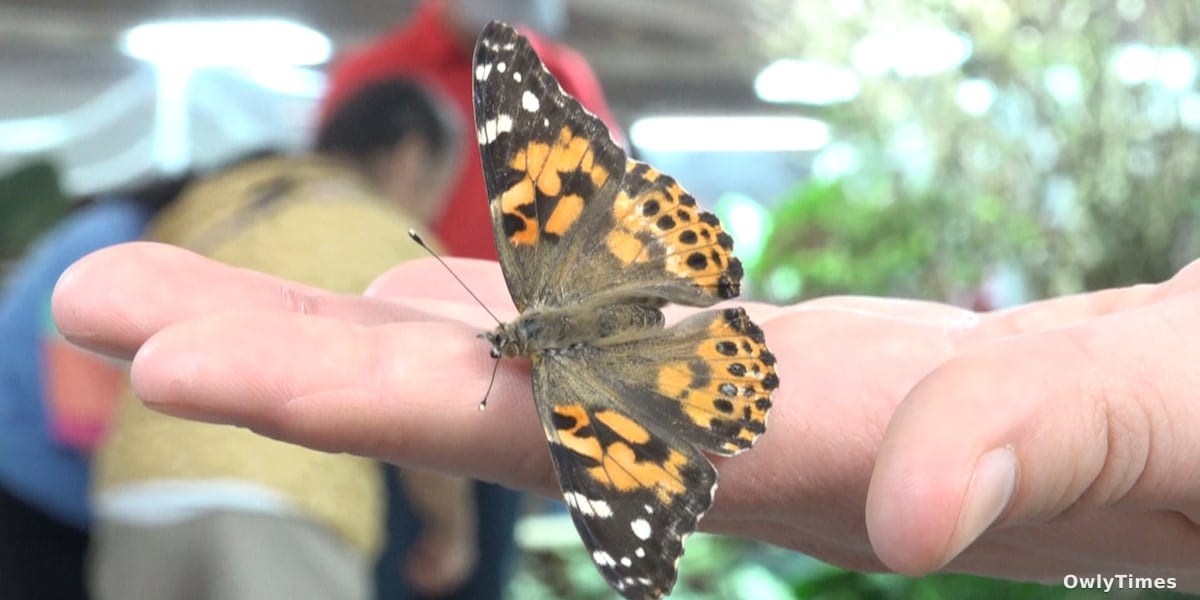

The enduring appeal of butterflies isn’t simply aesthetic; it’s rooted in their dramatic life cycle, a visible metaphor for transformation that resonates deeply with the human experience. But beyond the symbolism, butterflies are increasingly recognized as crucial indicators of environmental health, making exhibits like the ‘Butterflies Alive’ installation at the Science Spectrum in Lubbock, Texas, more than just a pleasant diversion. The exhibit, now in its third year and running through June 28th, offers a rare opportunity for direct engagement with over a thousand live butterflies, but its timing also prompts a broader question: as butterfly populations face mounting pressures, what role do these immersive experiences play in fostering genuine conservation awareness?
A Controlled Ecosystem Reflects Wider Concerns
The ‘Butterflies Alive’ exhibit distinguishes itself from typical local attractions by showcasing exotic species not native to the Texas Panhandle. As Holly Moyers, events and marketing assistant at the Science Spectrum, explained, “This is a super-unique opportunity…A lot of the butterflies we have in here are exotic butterflies, so they are not going to be ones you see in your backyard every day.” This deliberate curation isn’t merely about spectacle. It’s a carefully constructed ecosystem, maintained within a greenhouse environment, that allows visitors to witness the complete metamorphosis of these insects – from chrysalis to flight. This is a process often unseen, even by dedicated nature enthusiasts, and provides a tangible connection to the fragility and complexity of insect life. The exhibit’s dynamic nature, with constantly rotating species and emergence events, further emphasizes this point; each visit offers a unique experience, a microcosm of the ever-changing natural world.
Beyond Beauty: Linking Observation to Migration
The Science Spectrum isn’t presenting butterflies in isolation. Complementing the live exhibit is a screening of “Flight of the Butterflies” in the Omni Theater, a film documenting the multi-generational migration of monarch butterflies across North America. This pairing is significant. While the exhibit focuses on individual beauty and the wonder of transformation, the film broadens the scope to highlight the incredible, and increasingly threatened, phenomenon of long-distance migration. Monarch populations have experienced dramatic declines in recent decades, largely due to habitat loss and climate change. The film serves as a crucial educational component, contextualizing the exhibit’s vibrant display within the larger narrative of species vulnerability. It’s a deliberate attempt to move beyond passive appreciation towards informed understanding.
This piece references the kcbd.com report.
The Question of Impact: Education vs. Entertainment
However, it’s important to acknowledge what the exhibit doesn’t directly address. While the presence of exotic species is captivating, it doesn’t necessarily translate into increased awareness of local butterfly conservation needs. The focus on non-native butterflies, while understandable from a logistical standpoint (maintaining a consistent supply of local species would be far more challenging), could inadvertently diminish the perceived urgency of protecting regional populations. Furthermore, the exhibit’s popularity – while a success for the Science Spectrum – doesn’t automatically equate to lasting behavioral change. Simply seeing butterflies doesn’t guarantee a commitment to creating butterfly-friendly habitats or supporting conservation organizations. The exhibit’s success is measured in visitor numbers, not in quantifiable conservation outcomes.
Future Flights: Measuring Engagement and Expanding the Narrative
The Science Spectrum’s next step should be to actively measure the impact of the exhibit beyond attendance figures. Implementing pre- and post-visit surveys could gauge changes in visitor knowledge and attitudes towards butterfly conservation. Partnering with local organizations to offer workshops on creating pollinator gardens or participating in citizen science initiatives would further solidify the connection between observation and action. Perhaps most importantly, future iterations of the exhibit could incorporate a dedicated section focusing on the butterflies of the Texas Panhandle, highlighting their unique challenges and the specific steps visitors can take to help. The ‘Butterflies Alive’ exhibit is a valuable asset, but its true potential lies in evolving from a captivating display to a catalyst for meaningful conservation engagement. The question now is: can we leverage this immersive experience to inspire a generation of butterfly advocates?





