
The air in Shanghai hung thick with anticipation this weekend, not just from the humidity, but from the return of Formula One. But beneath the roar of engines and the flash of cameras, a quiet rebellion was brewing. Aston Martin’s drivers weren’t aiming for the podium; they were aiming for a statement, or rather, a premature finish line. The team, under pressure from sponsor 21st Century Fox, planned to halt their race after just 21 laps – a move ostensibly about fuel consumption and the climate crisis, but one that felt less like environmental activism and more like a carefully orchestrated PR stunt. It’s a jarring image: million-dollar machines deliberately slowing, not due to mechanical failure, but because a media conglomerate deemed it strategically advantageous.
This isn’t simply a story about a quirky race tactic; it’s a microcosm of the increasingly complex relationship between sports, sponsorship, and social responsibility. We’ve seen athletes take stands on political issues, but this is a team, backed by corporate power, actively curtailing competition. The stated concern for climate impact feels particularly thin when considering the carbon footprint of transporting F1 teams and equipment globally. The move raises a crucial question: at what point does a gesture of protest become a calculated marketing ploy, and who truly benefits? The optics are undeniably bad, especially as other teams continue to push the boundaries of efficiency and sustainability within the existing framework.
Reporting from The Guardian informs this analysis.
Beyond the F1 drama, the sporting world felt a tug of nostalgia this week as Neil Warnock returned to management at Torquay United. At 75, the veteran manager represents a different era of football – one built on grit, experience, and a famously direct approach. His appointment isn’t just a heartwarming story; it’s a commentary on the current trend of young, analytically-driven managers dominating the top leagues. While data and tactical innovation are undeniably important, Warnock’s success has always been rooted in understanding people and fostering a strong team spirit. It’s a reminder that sometimes, the old ways still work, and that leadership isn’t solely defined by algorithms and spreadsheets. The contrast is stark: a manager who built his career on instinct taking the helm while the sport increasingly relies on predictive analytics.
The World Baseball Classic also captivated audiences, with the reigning champions, Japan, looking strong as the tournament unfolded. Baseball, often overshadowed by other sports in global conversations, offers a unique blend of strategy, athleticism, and cultural significance. The Classic provides a platform for national pride and showcases the diverse talent within the sport. It’s a reminder that “America’s Pastime” has a vibrant and growing international following, and that the US isn’t always the dominant force it once was. The tournament’s success, however, hinges on continued investment and promotion to broaden its appeal beyond its core fanbase.
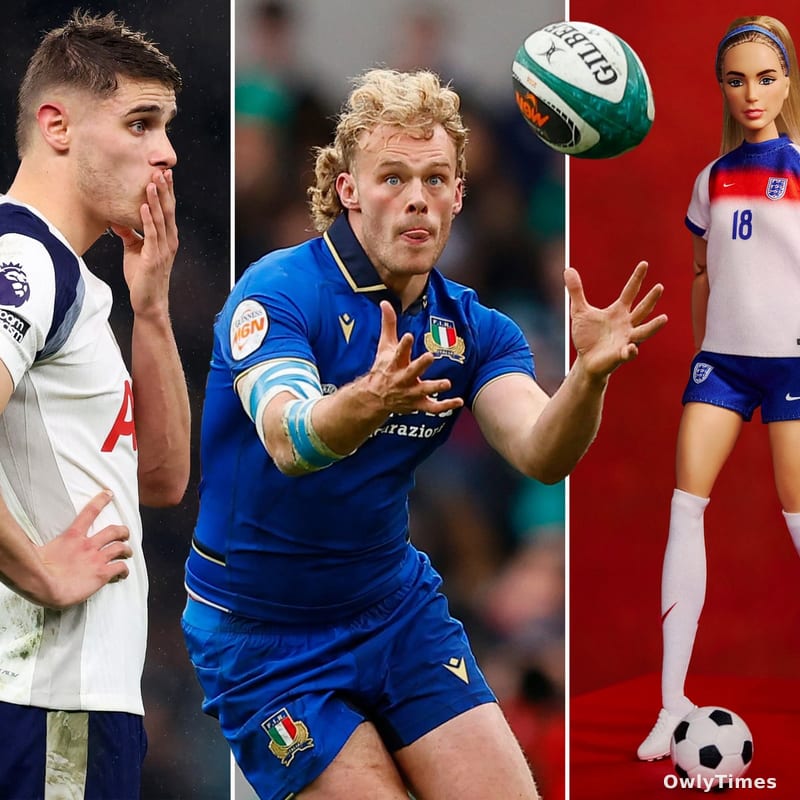
Meanwhile, in the realm of rugby, the Six Nations saw Italy continuing their long climb, having secured only three wins in 32 matches against England. The disparity highlights the ongoing challenges faced by emerging rugby nations in competing with established powerhouses. While investment in grassroots programs is increasing, closing the gap in talent and resources remains a significant hurdle. The story isn’t just about wins and losses; it’s about the fight for parity and the need for a more inclusive and competitive international rugby landscape.
Even seemingly celebratory moments carried a deeper resonance. The creation of a Barbie doll modeled after England’s Chloe Kelly for International Women’s Day was a powerful symbol of progress. It’s a far cry from the days when female athletes struggled for recognition and representation. However, it also raises questions about the commodification of female empowerment and the pressure on athletes to embody specific ideals. Is this genuine celebration, or another form of marketing capitalizing on a cultural moment?
Finally, Jade Jones’ transition from taekwondo to boxing speaks to the relentless pursuit of athletic excellence and the courage to embrace new challenges. After Olympic glory, many athletes struggle to find purpose after retirement. Jones’ decision to reinvent herself in a completely different sport is inspiring, but also underscores the physical and mental toll that elite competition takes on athletes. Her journey will be closely watched, not just for her boxing prowess, but as a case study in athletic resilience and the complexities of life after the spotlight fades.
The week in sport wasn’t just about scores and records; it was a series of reflections on power, legacy, and the evolving role of athletes in a world grappling with complex social and political issues. As the Paralympics open in Paris, and the T20 World Cup reaches its climax, the question isn’t just who will win, but what these victories – and even the defeats – will ultimately signify. Will sports continue to be a platform for genuine change, or will they remain a stage for carefully curated narratives and corporate interests? That’s the story we should all be watching.