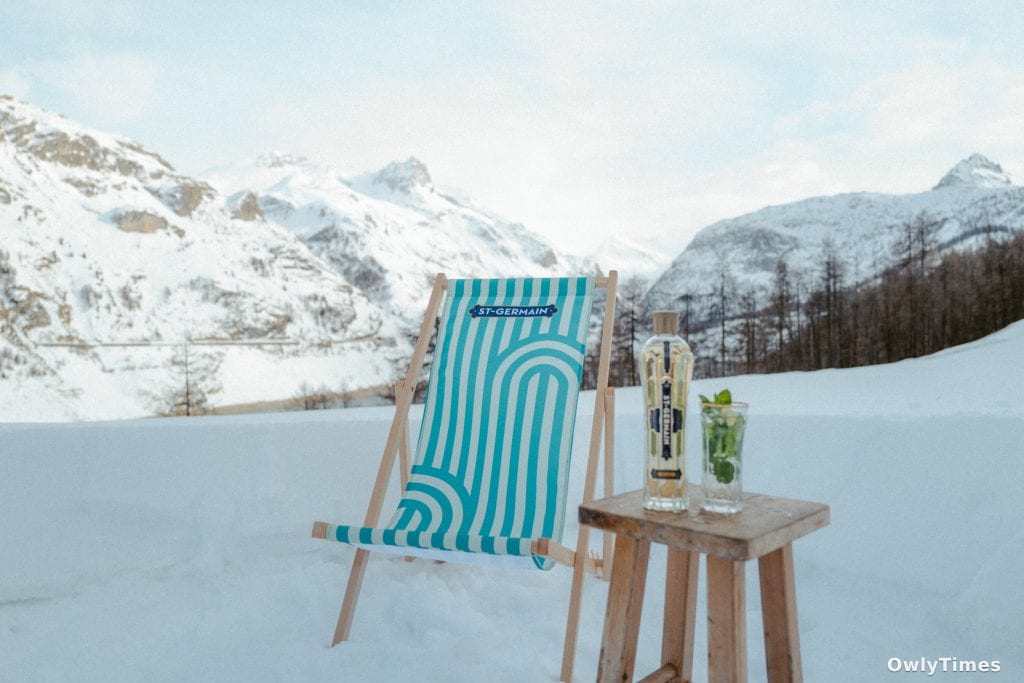

The ice clinked a little too loudly in the St-Germain Spritz, a sound swallowed by the thrum of bass spilling from Snow Lodge at The St. Regis. It wasn’t the après-ski of your parents’ generation – the one fueled by exhaustion and cheap beer. This was… curated. A lifestyle, as the press release insisted. And in Aspen this February, that lifestyle is aggressively, beautifully, and strategically on display. Beyond the headlines of celebrity sightings and packed venues, a quiet shift is happening in how we experience mountain culture, and it’s less about escaping into nature and more about performing within it.
The proliferation of events – from the return of the Palm Tree Music Festival with headliners like Kygo and Calvin Harris to a takeover by the glamorous Mary Lou’s supper club at Bad Harriet – speaks to a broader trend. Après-ski, once a spontaneous wind-down, is now a meticulously planned social ritual. St-Germain, the elderflower liqueur, is capitalizing on this, with activations popping up at prime locations like Ajax Tavern and the Sundeck, strategically placing their signature cocktail in the hands of those documenting their “peak” experiences. It’s a smart move; in 2023, the US spirits market saw a 4.1% increase in premiumization, according to the Distilled Spirits Council of the United States, and Aspen’s clientele are demonstrably willing to pay for that elevated experience. But the question is, does the authenticity get lost in the branding?
This isn’t just about drinks and DJs, though. The Paul JAS Center is hosting a remarkably diverse lineup, showcasing the evolving definition of “culture” in a resort town. ELEW, a pianist who won the prestigious Thelonious Monk International Piano Competition in 1999, will perform the music of Sting on February 20th. The following nights bring the prodigious, blind jazz pianist Matthew Whitaker and his trio, a testament to the venue’s commitment to showcasing genuine artistry. This programming isn’t chasing trends; it’s building a reputation as a destination for serious music lovers, a demographic Aspen has historically underserved. The contrast is stark: a festival geared towards a younger, social-media driven crowd alongside performances demanding focused listening.
Based on the original aspentimes.com report.
The tension between accessibility and exclusivity is palpable. The Palm Tree Music Festival, with its all-ages pass, aims for broad appeal, while events like the Gerlinde Kaltenbrunner Changemaker Speaker Series – featuring the mountaineer recounting her ascent of all 8,000-meter peaks without supplemental oxygen – cater to a more niche, intellectually curious audience. Kaltenbrunner’s story, one of relentless perseverance, feels particularly resonant in a culture obsessed with achievement, but the $65 ticket price (as of Feb 20) creates a barrier to entry. This isn’t necessarily intentional, but it highlights a growing divide: who gets to participate in Aspen’s cultural offerings, and who is priced out? Even the culinary scene reflects this, with Chef Ope Amosu’s ChòpnBlọk takeover at Mawa’s Kitchen offering a $168 four-course family-style dinner, a significant investment for a single meal.
Beyond the glitz, there’s a deliberate effort to highlight female talent. The upcoming Mexican Mixology pop-up at Bad Harriet, featuring acclaimed mixologist Fabiola Padilla of BEKEB (ranked among the Top 50 Bars in North America), arrives just before International Women’s Month. This isn’t simply a marketing ploy; Padilla’s bar is celebrated for its deep respect for cultural origins and its commitment to showcasing Mexican artistry. It’s a subtle but powerful statement, aligning Aspen’s luxury brand with a more inclusive and socially conscious narrative. The early ticket sales for Big Head Todd and Monsters in June 2026 also suggest a continued demand for established acts, proving that Aspen isn’t solely focused on the “next big thing.”
What’s happening in Aspen this February isn’t just a collection of events; it’s a microcosm of a larger cultural negotiation. The resort town is attempting to redefine itself, balancing its historical identity as a haven for the wealthy with a desire to attract a more diverse and engaged audience. The success of this endeavor will depend on whether it can maintain a sense of authenticity amidst the carefully constructed lifestyle moments. Will Aspen become a truly inclusive cultural hub, or will it remain a playground for the privileged, meticulously curated for Instagram feeds? That’s the question lingering in the air, as crisp and cold as the mountain breeze.