
Is the "connected world" really just a thin veneer stretched over a crumbling infrastructure? We like to think of global events—whether they are high-stakes sporting spectacles or international concert tours—as seamless, unstoppable machines. But as we’ve seen this week, it takes remarkably little for the physical reality of our planet to force a hard reset on our digital-age expectations.
The real story here isn’t just the spectacle of elite athleticism; it’s the abrupt intersection of climate reality and the logistics of global entertainment.
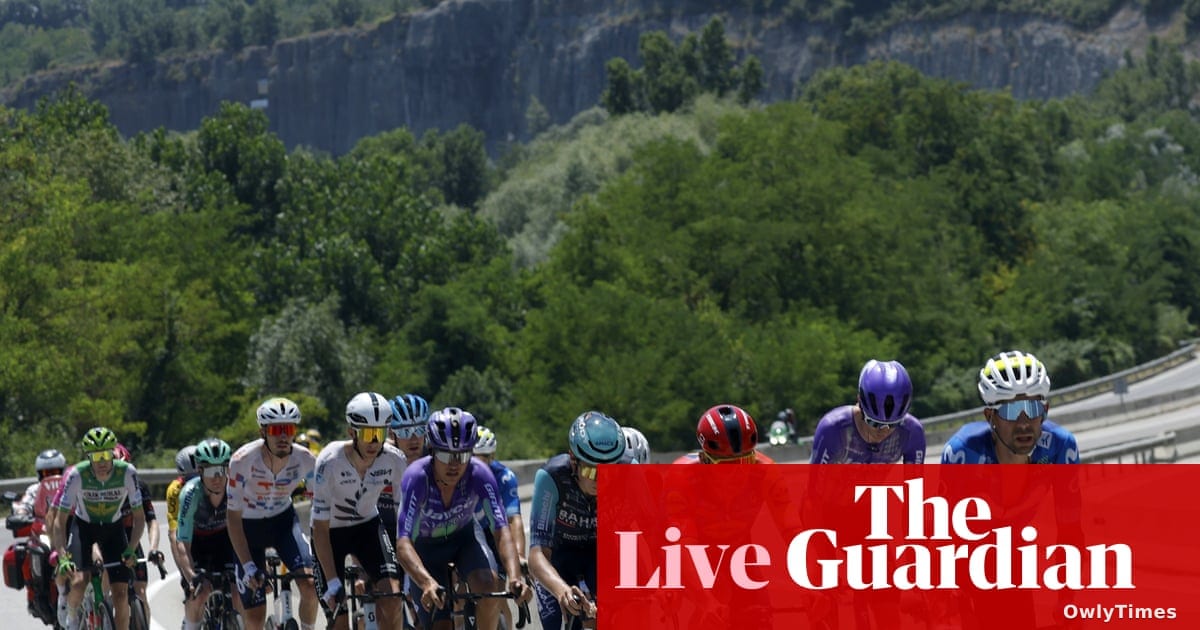
As the 2026 Tour de France hits its stride, the race is facing a stark, tangible disruption. Both The Guardian and the BBC report that the third stage of the race, which crosses from Spain into France, is being conducted under unprecedented restrictions due to wildfires raging in the Pyrenees-Orientales region. While the 195.9km route remains technically intact, the human element of the race has been effectively "sandboxed." Race director Christian Prudhomme has issued a direct plea for fans to stay away from the final 40km of the course, a move designed to prioritize public resources for firefighting efforts rather than crowd management.
There is a slight discrepancy in the scope of these safety measures between the two reports. The BBC specifies that the no-go zone applies to the final 40km of the race, whereas The Guardian notes that the measures impact the final 45km. Regardless of the five-kilometer delta, the outcome for the average spectator is the same: the familiar, boisterous roadside culture of the Tour has been digitally cordoned off. For those of us used to consuming these events via high-definition streams, it is a jarring reminder that the "cloud" requires a very physical, very vulnerable ground game to operate.
Logistics in the Age of Instability
For the organizers, this is a calculated trade-off. By limiting the presence of essential personnel and fans, they are attempting to keep the race viable while acknowledging the gravity of a situation that has already seen nearly 3,000 people evacuated near Perpignan, according to the BBC. It is a sobering shift from the typical "show must go on" mentality that dominates major sports.
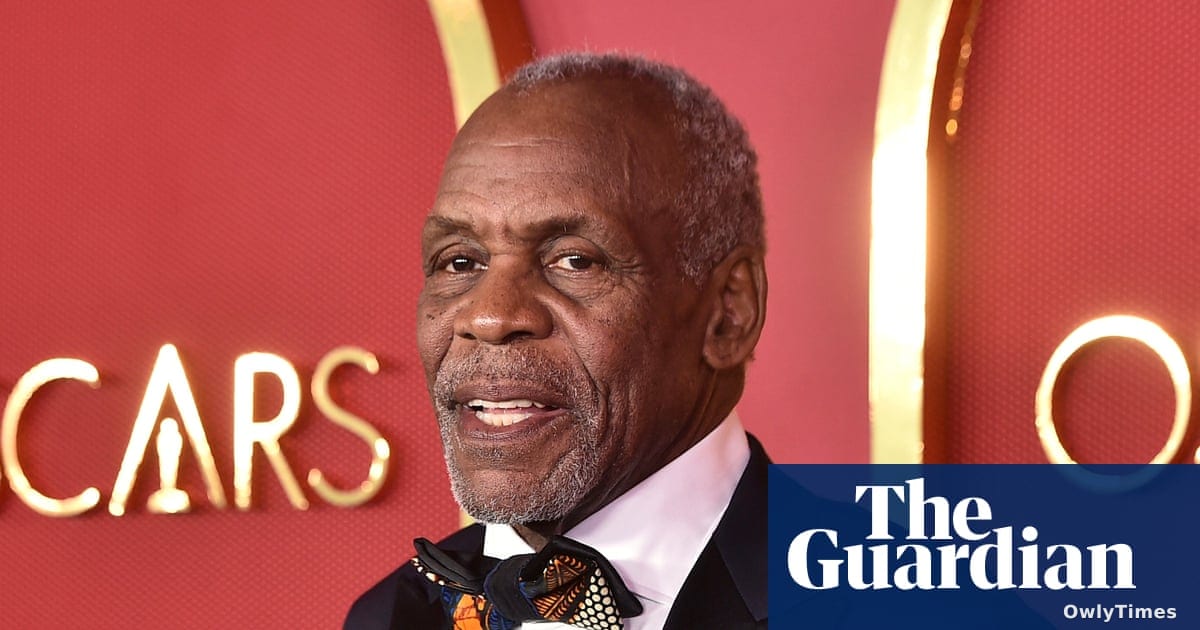
Meanwhile, in the music industry, we see the other side of the logistical coin. Billboard reports that grime icon Dizzee Rascal has announced his "We Want Bass" tour across Australia and New Zealand for November and December 2026. While this tour operates in a different hemisphere and a different season, it highlights the same precarious reliance on local infrastructure—from the Royal Botanic Gardens in Melbourne to Auckland’s Shed 10. For the user, this means navigating an increasingly complex ticket-buying landscape, with presales for the Rascal tour beginning July 8 and general sales following on July 9.
The Cost of Connectivity
These two events—one a race against nature, the other a planned circuit of cities—illustrate a growing trend: our reliance on "optimized" experiences is becoming more brittle. Whether it is a professional cyclist like Mads Pedersen winning an intermediate sprint in a race stripped of its audience, or fans prepping for a concert tour months in advance, we are all operating on the assumption that the environment will cooperate.
The tech-driven world loves to promise frictionless experiences, but nature doesn't have an API. As the Tour de France moves into the Pyrenees, the only thing guaranteed is that the "minimal" press buffet and empty brasseries reported by The Guardian will be the least of the organizers' worries.
What happens next is a test of resilience. We should expect to see more "digital-only" versions of major public events as organizers realize that keeping the physical footprint small is the only way to keep the show on the road. The next measurable signal of this shift will come on July 9, when ticket sales go live for the Rascal tour; if those dates are forced to pivot or restrict capacity, it will confirm that the era of "business as usual" for global events is officially over.