
The Unseen Labor Behind Scientific Discovery: Why Museum Preparators Matter Now More Than Ever
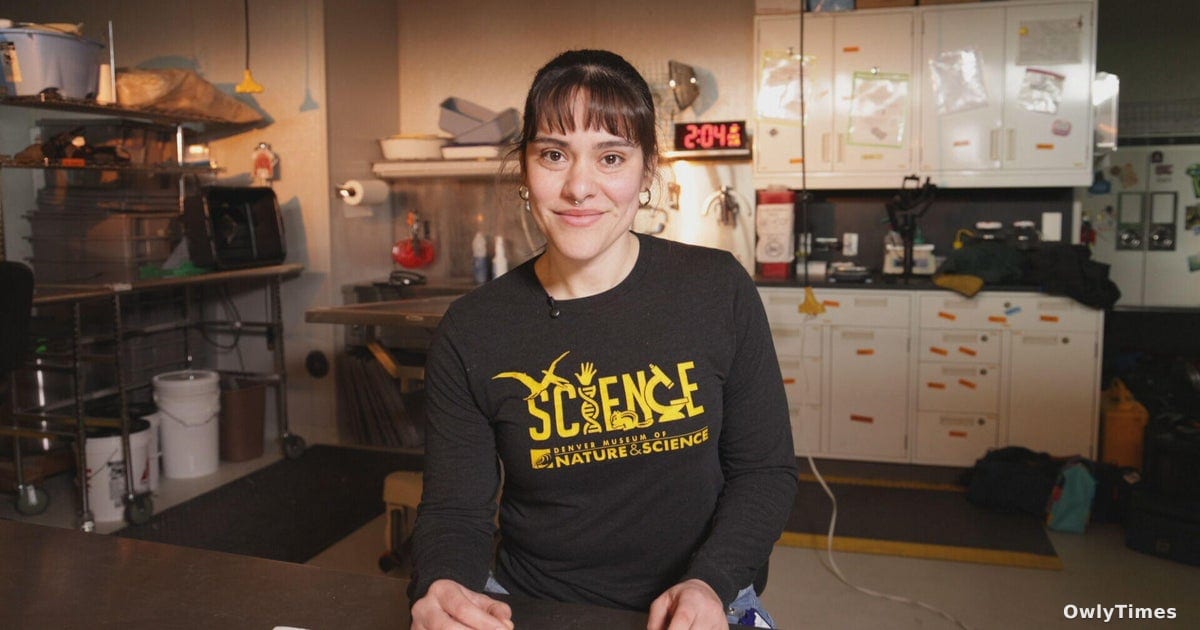
We often celebrate the flash of scientific breakthroughs – the published paper, the new drug, the genomic sequence. But underpinning all of these achievements is a vast, largely invisible network of labor dedicated to preserving the raw materials of research: biological specimens. This isn’t simply taxidermy, though artistry certainly plays a role. It’s a highly specialized field, and its importance is growing as researchers increasingly rely on historical collections to understand the impacts of rapid environmental change. Andie Carrillo, zoology preparator at the Denver Museum of Nature & Science (DMNS), embodies this crucial, often unseen, work. Her role, as detailed in a recent CBS Colorado report, isn’t just about preserving animals; it’s about ensuring the integrity of data stretching back decades, even centuries.
This piece references the CBS News report.
Carrillo’s day-to-day tasks, ranging from meticulous beak measurements to maintaining a colony of dermestid beetles – nature’s tiny skeleton cleaners – highlight the surprisingly complex process of specimen preparation. The CBS report emphasizes Carrillo’s description of her goal: creating “something…very stable, that can stand the test of time and can produce really good scientific work.” This isn’t merely about aesthetics; it’s about preventing decay and ensuring that future scientists can accurately analyze tissues, bones, and even DNA from animals collected years ago. The “squishy bits,” as Carrillo puts it, will rot, and her expertise lies in isolating and stabilizing the components that hold scientific value. This process, involving careful removal of fat and muscle, and controlled air-drying, is a critical step in building a reliable archive of biodiversity. The fact that Carrillo readily acknowledges the “a little bit gory” nature of the work underscores the dedication required for this often-unseen role.
The increasing reliance on museum collections for baseline data is what elevates Carrillo’s work beyond a historical curiosity. Climate change research, for example, frequently depends on comparing modern specimens to those collected decades or even centuries ago to document shifts in species distribution, morphology, and genetic diversity. A 2023 report by the Natural Science Collections Alliance found that collections are being used in 85% of vertebrate biodiversity research, a 15% increase from just five years prior. This surge in demand places a greater burden on preparators like Carrillo to maintain and expand these invaluable resources. The CBS report notes Carrillo’s pride in the impact her work has on science, stating, “Without my role, without my job, we won't have specimens to put into the collection.” This statement isn’t hyperbole; it’s a recognition of the foundational role she plays in the scientific process.
Carrillo’s journey to becoming a preparator also reveals a critical point about STEM career pathways. Initially aiming for veterinary medicine, she discovered that wildlife preparation offered a more fulfilling path, one that allowed her to directly contribute to scientific research. Her story, as recounted in the CBS report, highlights the importance of exploring diverse options within STEM and the value of mentorship – she credits a collections manager with encouraging her to investigate wildlife-focused coursework. This is particularly relevant given Carrillo’s additional role as a STEM mentor for Girls & Science, an organization dedicated to increasing representation in STEM fields. Carrillo herself emphasizes the need for greater representation, arguing that a lack of diversity can lead to “inaccurate science.” This isn’t simply a matter of equity; it’s a matter of scientific rigor.
However, it’s important to acknowledge the limitations of relying solely on museum collections. Specimens are inherently biased towards areas and time periods with greater collecting efforts. Furthermore, the preservation process itself can introduce artifacts or alter the material being studied. While Carrillo’s work minimizes these issues, they cannot be entirely eliminated. The next crucial research steps involve not only expanding collections to underrepresented regions but also developing new, non-destructive analytical techniques to extract maximum information from existing specimens. The DMNS’s upcoming Girls & Science kickoff event, where Carrillo will be featured, represents a vital step in fostering the next generation of preparators and researchers who will address these challenges. The question now is: will funding and institutional support keep pace with the growing demand for these essential, yet often overlooked, scientific professionals?





