
$2.3 Billion Daily Disruption: The Economic Calculus Behind Iran’s Defiance
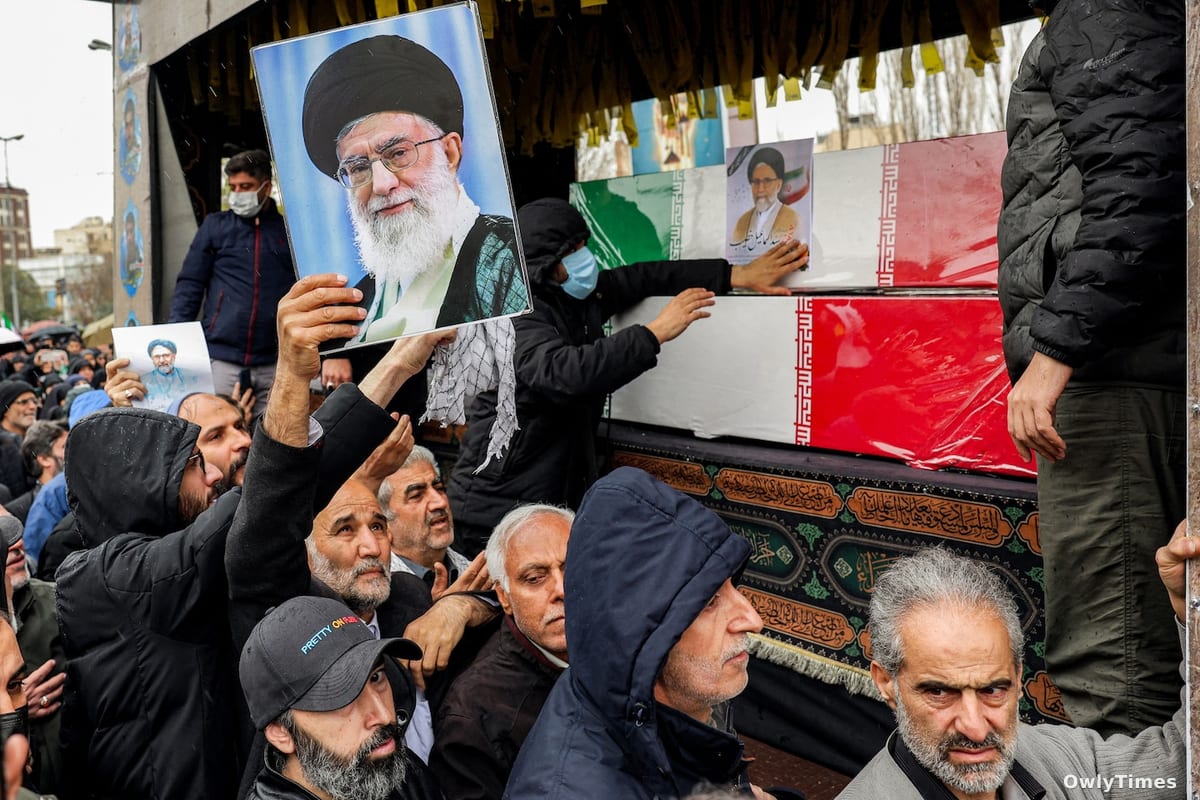
A staggering $2.3 billion – the estimated daily value of oil transiting the Strait of Hormuz – explains why Tehran isn’t seeking immediate de-escalation despite mounting pressure from the United States and Israel as the conflict enters its fourth week. While the funerals of Esmail Khatib, Iran’s intelligence minister, and his family dominated headlines on March 22, 2026, the underlying strategic calculation is purely economic: Iran understands its leverage isn’t solely military, but fundamentally tied to controlling a critical artery of the global energy supply. This isn’t simply about resisting foreign powers; it’s about maximizing bargaining power through calculated disruption. The current standoff isn’t a prelude to total war, but a high-stakes game of economic coercion where both sides are attempting to calculate the pain threshold of the other.
The Hormuz Chokepoint: A 30% Increase in Risk Premium
The Strait of Hormuz, a narrow waterway connecting the Persian Gulf to the Gulf of Oman and the Arabian Sea, handles roughly 20% of global oil consumption. However, the perceived risk of disruption has already inflated the price of Brent crude by 30% since the start of the conflict, adding approximately $25 per barrel. This translates to a direct transfer of wealth – estimated at $800 million daily – from consumers to oil-producing nations outside of the immediate conflict zone, notably Saudi Arabia and Iraq. Tehran is acutely aware of this dynamic. While its own oil exports are significantly hampered by sanctions, the instability it creates benefits its regional allies and simultaneously increases the cost of military intervention for its adversaries. This isn’t a symmetrical situation; the cost of not acting – allowing uninterrupted oil flow – is far greater for the US and Israel than for Iran.
This piece references the The Washington Post report.
Intelligence Loss and the Shifting Battlefield
The death of Esmail Khatib and his family represents a significant intelligence failure for Tehran, but also a calculated risk. Khatib was reportedly the architect of Iran’s cyber warfare capabilities and a key figure in coordinating proxy forces throughout the region. His elimination, while a blow, doesn’t fundamentally alter Iran’s strategic position regarding the Strait of Hormuz. Instead, the focus of US and Israeli operations has demonstrably shifted to targeting Iranian naval assets and infrastructure capable of directly impeding shipping traffic. This is evidenced by the increased frequency of reported engagements in the Gulf of Oman, though official statements remain deliberately vague. The shift suggests a move away from regime change – a costly and protracted endeavor – towards a more limited objective: securing the flow of oil.
Beyond Oil: The LNG Factor and Asian Markets
The narrative surrounding the Strait of Hormuz often centers on crude oil, but the increasing importance of Liquefied Natural Gas (LNG) is a critical, and often overlooked, component. Approximately 21% of global LNG trade passes through the strait, with the vast majority destined for China, Japan, and South Korea. These nations, heavily reliant on Middle Eastern energy supplies, are facing a particularly acute dilemma. While publicly supporting the US and Israel, they are simultaneously engaging in backchannel negotiations with Tehran to ensure continued energy access. China’s recent offer to mediate, coupled with its continued purchase of Iranian oil (despite sanctions), underscores this tension. This creates a complex geopolitical landscape where economic imperatives are actively undermining a unified front against Iran.
What This Means for Your Wallet
The current situation isn’t about a sudden spike in gas prices, but a sustained period of elevated energy costs. Even a temporary disruption to shipping through the Strait of Hormuz – say, a week-long closure – would likely push Brent crude above $120 per barrel, adding at least $0.50 to $1.00 per gallon at the pump. More importantly, the risk premium embedded in oil prices isn’t likely to disappear quickly. Consumers should prepare for higher energy bills throughout 2026 and beyond. The key question now isn’t if Iran will negotiate, but at what price. Specifically, investors should watch for any indication of a willingness from the US to ease sanctions on Iranian oil exports in exchange for guarantees regarding the Strait of Hormuz. A significant drop in the risk premium – a sustained decline in Brent crude below $90 per barrel – will be the first concrete signal of a potential breakthrough.