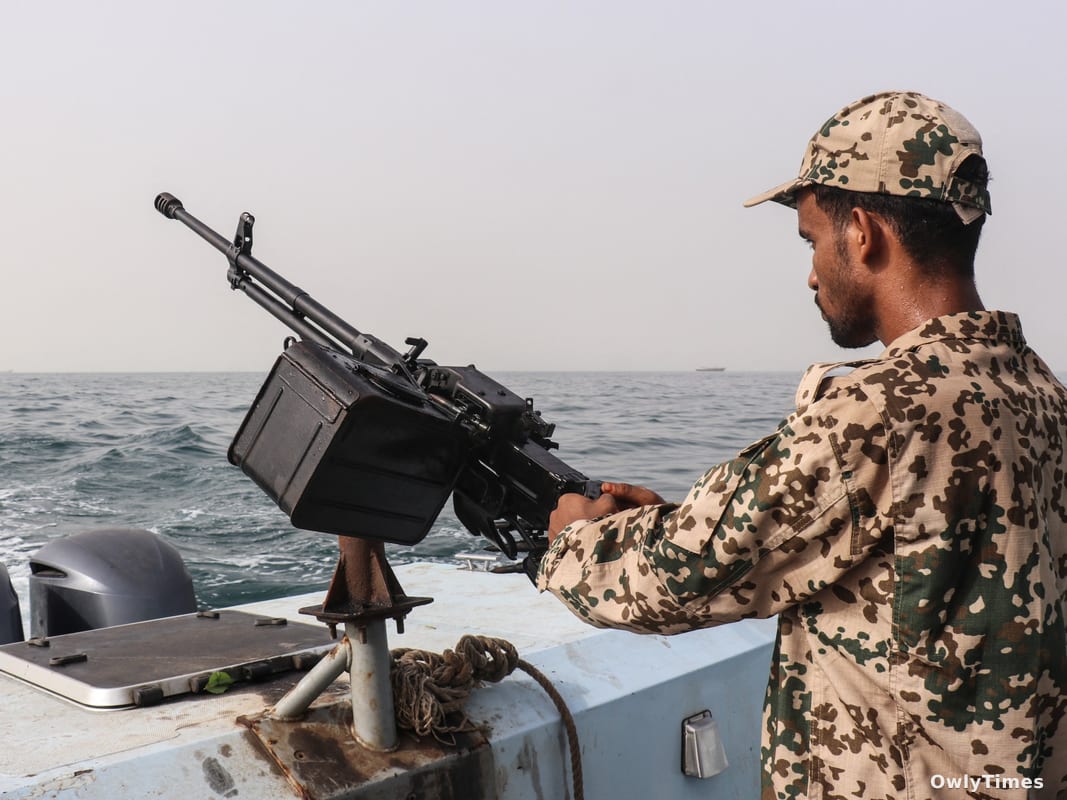

The calculated risk of escalating tensions in the Strait of Hormuz isn’t about oil, not primarily. It’s about leveraging economic pressure to reshape the geopolitical landscape, a tactic with deep historical roots. The effective halting of shipping through this critical artery – a consequence of the widening conflict in Iran, as of March 2, 2026 – isn’t a breakdown of diplomacy, but a deliberate application of it, albeit a brutal one. The immediate impact, soaring oil prices and the threat of broader inflation, is a feature, not a bug, for certain actors seeking to influence policy both regionally and within the United States.
The Strait as a Pressure Point: Mapping the Interests
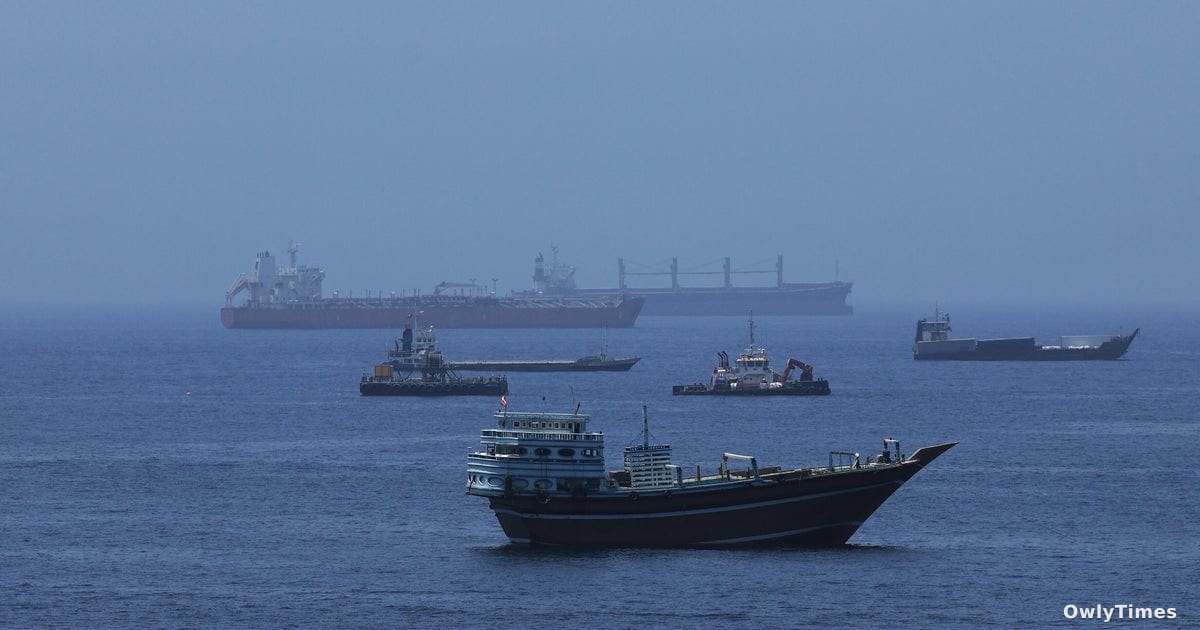
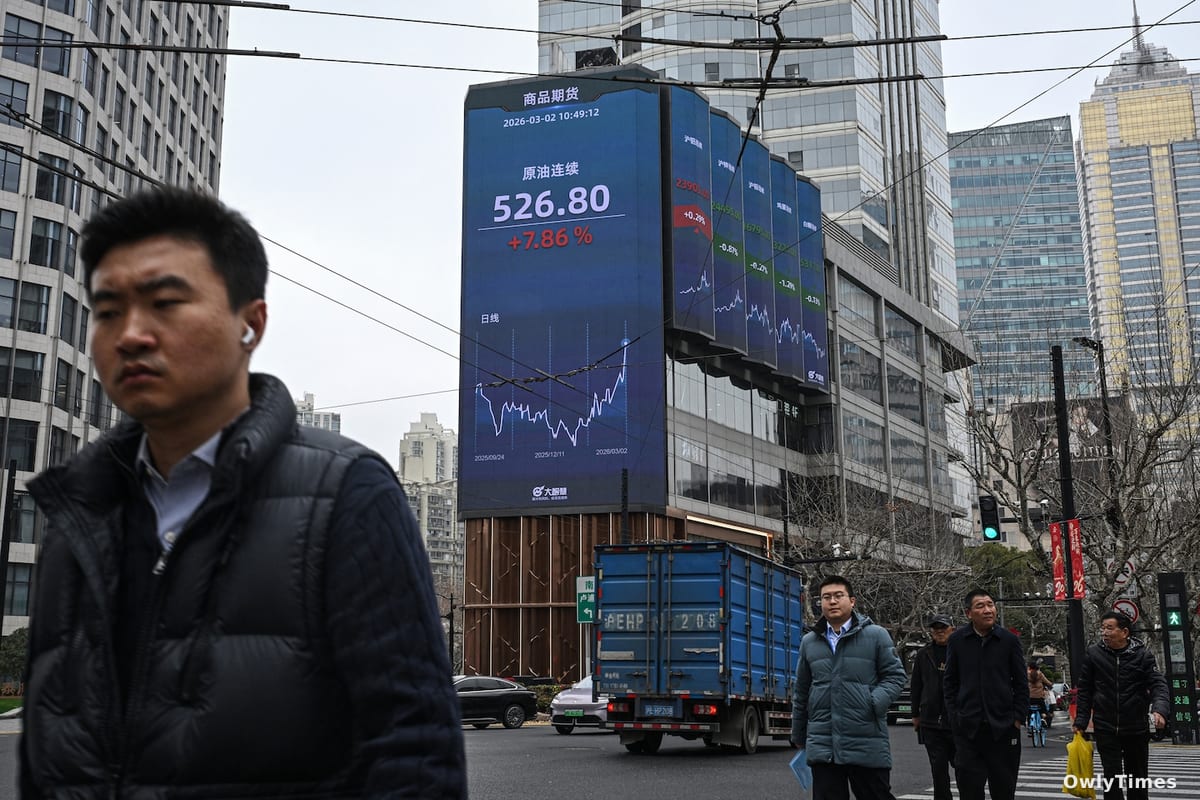
The disruption in the Strait of Hormuz, through which roughly 20% of the world’s oil supply passes, immediately sent shockwaves through energy markets. Crude oil futures in Shanghai jumped nearly 7% on Monday, according to reports, signaling a rapid recalibration of risk assessment. But the beneficiaries of this volatility aren’t simply oil-producing nations. Iran, facing increasing international sanctions and internal unrest, gains leverage by demonstrating its ability to disrupt global trade. This isn’t a new strategy; throughout history, control of chokepoints – from the Malacca Strait to the Suez Canal – has been used to exert disproportionate influence. The current situation echoes the 1973 oil crisis triggered by the Arab-Israeli conflict, where oil-producing nations weaponized supply to achieve political objectives. However, the scale of potential disruption is arguably greater now, given the interconnectedness of the global economy and the reliance on just-in-time supply chains.
Reporting from The Washington Post informs this analysis.
Who Benefits and Who Loses in the Short Term?
The immediate losers are clear: U.S. consumers facing higher energy costs, and businesses reliant on stable supply chains. The national average for gasoline, already hovering around $3.80 per gallon prior to the escalation, is projected to surpass $4.50 within weeks, according to analysis from the Energy Information Administration. This hits lower-income households disproportionately, creating a potent political vulnerability for the Biden administration heading into the midterm elections. European economies, still grappling with the fallout from the Ukraine war and dependent on Middle Eastern energy sources, are similarly exposed. Conversely, nations less reliant on Strait of Hormuz oil – such as the United States with its increasing domestic production, though still vulnerable to price spikes – and those with strategic reserves, are comparatively insulated. Russia and Saudi Arabia, both major oil producers, stand to benefit from increased prices and market share, though they also face the risk of broader economic instability.
The Domestic Political Calculus: An Affordability Crisis
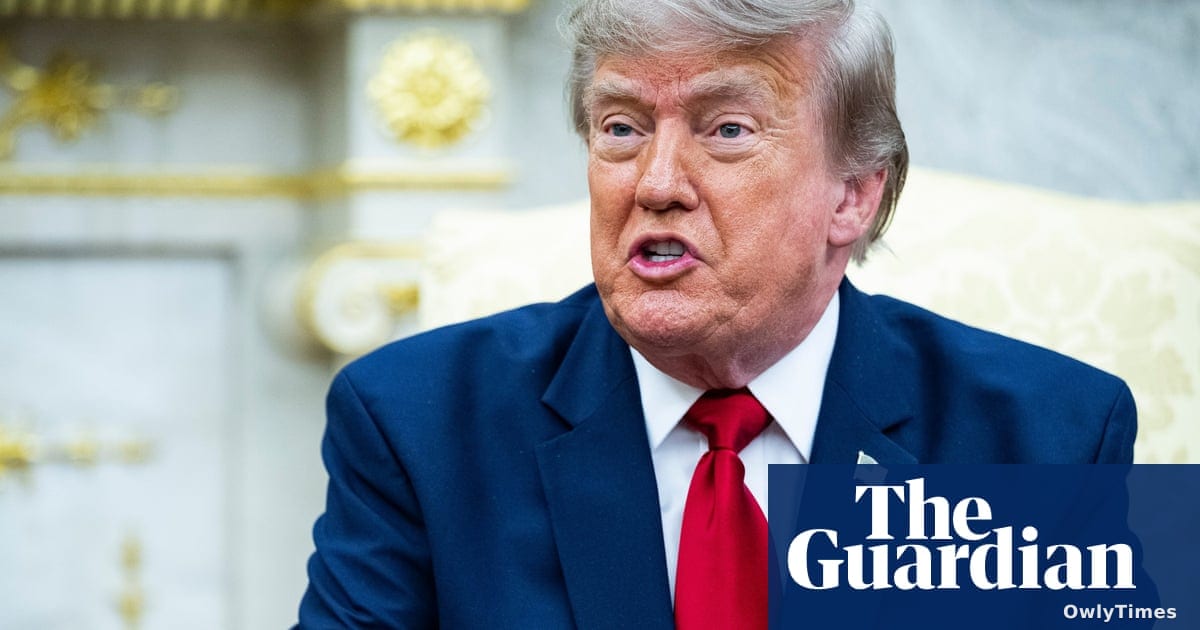
The timing of this escalation is particularly acute for the Biden administration. Inflation, while moderating, remains a key concern for voters, and rising gas prices are a highly visible indicator of economic hardship. The administration’s attempts to frame its economic policies as benefiting the middle class are undermined by tangible increases in the cost of living. This creates an opening for Donald Trump and the Republican party to capitalize on economic anxieties, echoing the “stagflation” narrative of the 1970s. The political pressure is further compounded by the ongoing debate over energy independence and the transition to renewable energy sources. Critics argue that the administration’s policies have hampered domestic oil production, making the U.S. more vulnerable to external shocks. This narrative, while contested by energy analysts who point to long-term investment cycles, resonates with voters concerned about affordability.
Beyond Oil: The Regional Power Play
The conflict’s impact extends beyond energy markets. The disruption of shipping also affects the flow of goods, potentially leading to shortages and higher prices for a wide range of consumer products. More significantly, the escalation serves as a distraction from other regional issues, such as the ongoing negotiations over Iran’s nuclear program. By creating a crisis, Iran can strengthen its bargaining position and potentially extract concessions from the international community. This mirrors the tactics employed by other nations facing international pressure, such as North Korea’s use of missile tests to gain leverage in negotiations with the United States. The question now isn’t simply about restoring the flow of oil, but about understanding the broader strategic objectives driving the escalation.
The Next Chess Move: A Naval Standoff?
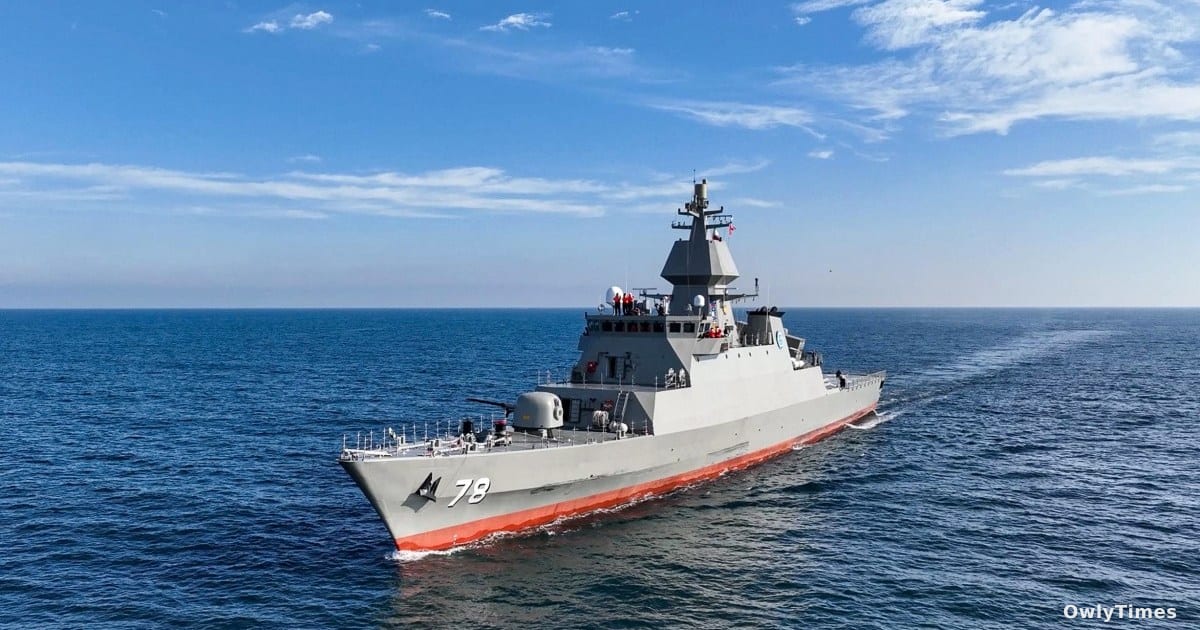
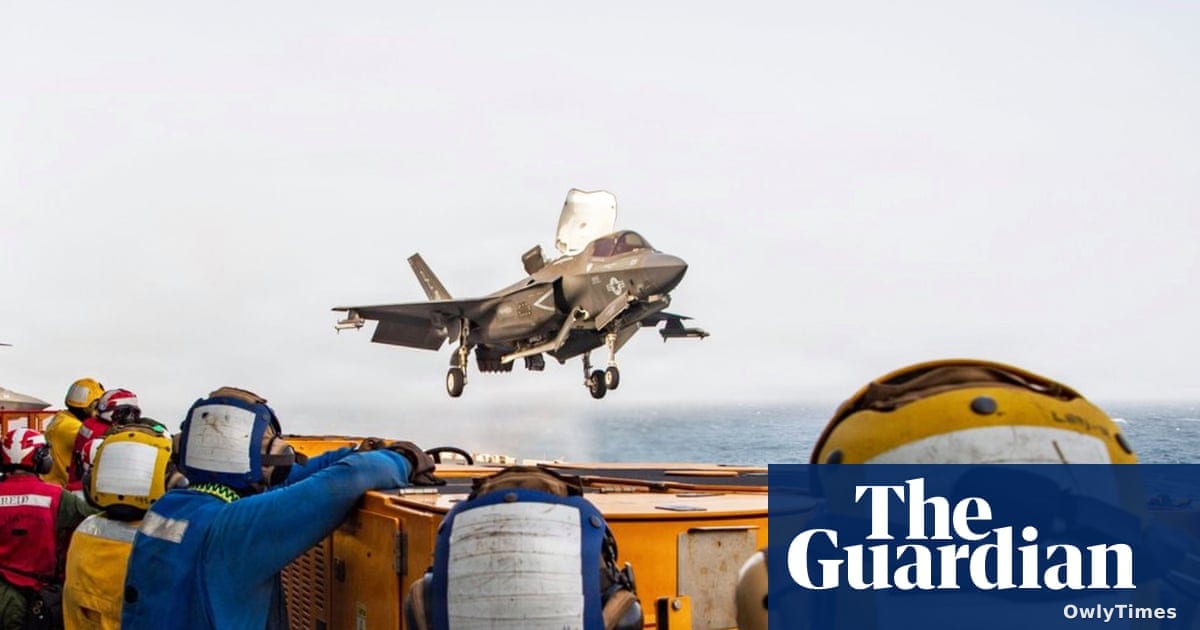
The immediate focus will be on diplomatic efforts to de-escalate the situation and secure the Strait of Hormuz. However, the likelihood of a quick resolution is low, given the entrenched interests and complex geopolitical dynamics at play. The political chess move to watch isn’t a negotiation, but a deployment. Will the Biden administration authorize a significant increase in U.S. naval presence in the Persian Gulf, risking a direct confrontation with Iran? Or will it rely on diplomatic pressure and sanctions, potentially accepting higher energy prices and economic disruption? The answer to that question will reveal the true extent of the administration’s willingness to project power and defend its interests in a rapidly changing world.