
The Strait’s Closure: A Calculated Risk in a Widening Conflict
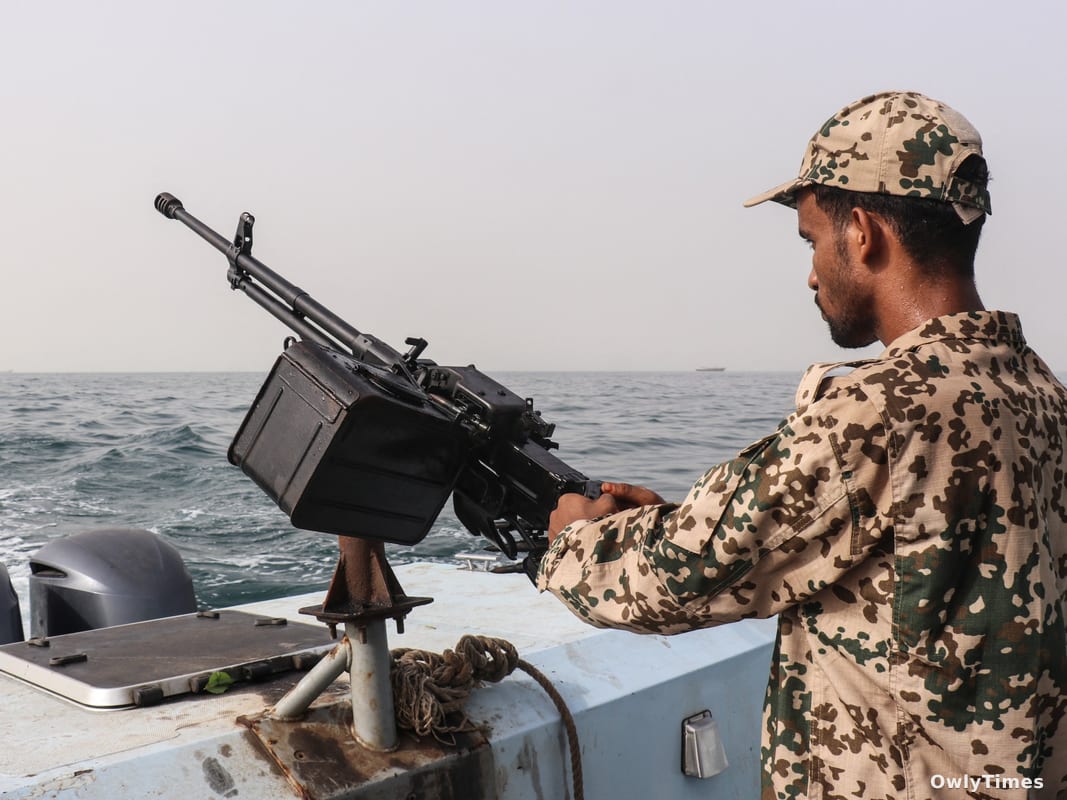
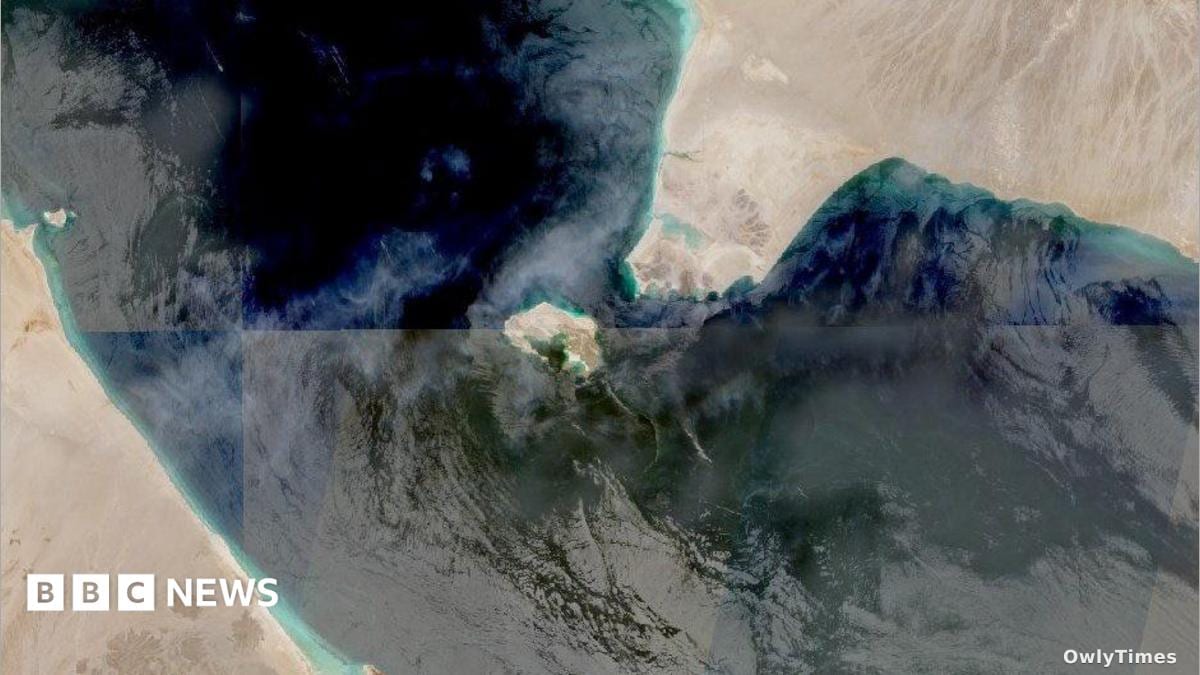
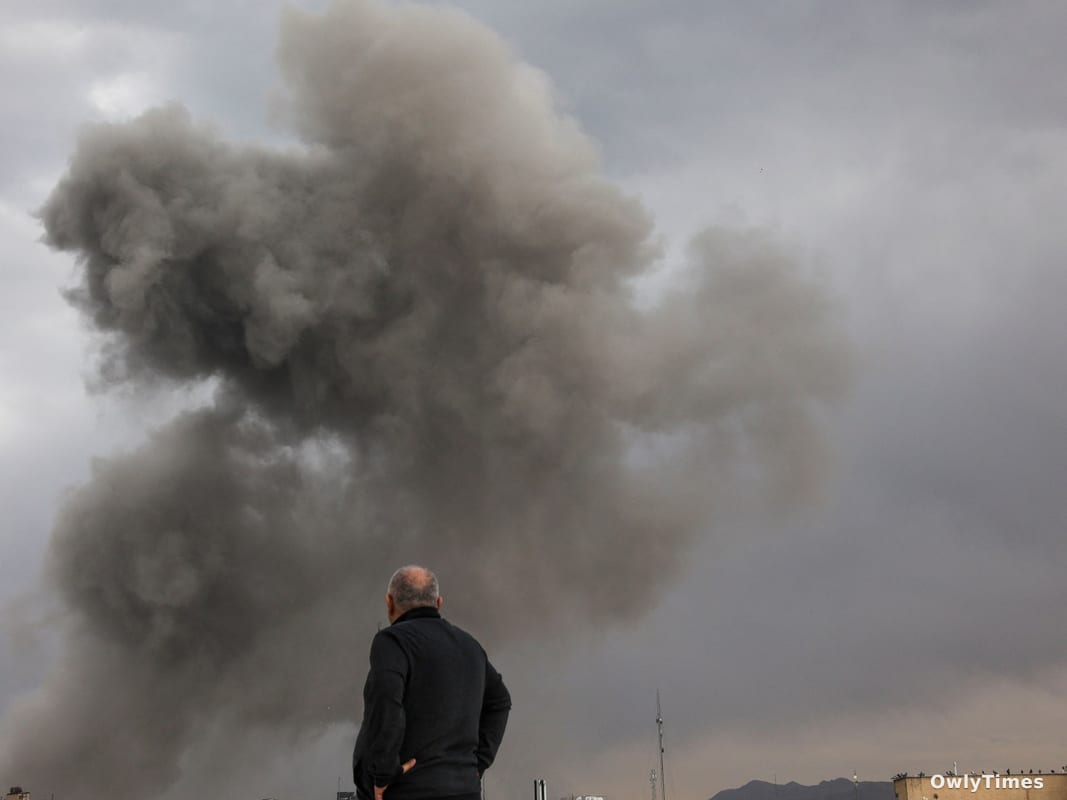
The Islamic Revolutionary Guard Corps’ (IRGC) announcement on March 3, 2026, closing the Strait of Hormuz isn’t a spontaneous escalation, but a meticulously calibrated move designed to reshape the leverage points in a rapidly deteriorating conflict with Israel and, by extension, the United States. While the immediate trigger is the escalating strikes within Iran and Lebanon – pushing the combined death toll past 600 – the closure isn’t simply retaliation. It’s a demonstration of asymmetric capability, a signal that Iran can inflict economic pain far exceeding the localized military damage it has sustained. This isn’t about winning a conventional war; it’s about raising the cost of continued intervention to a level Washington and Tel Aviv are unwilling to bear. The timing, coinciding with drone attacks on the US Embassy in Riyadh, suggests a deliberate broadening of the pressure campaign, attempting to fracture the already fragile regional alliances arrayed against Iran.
Economic Warfare and the Global Oil Supply
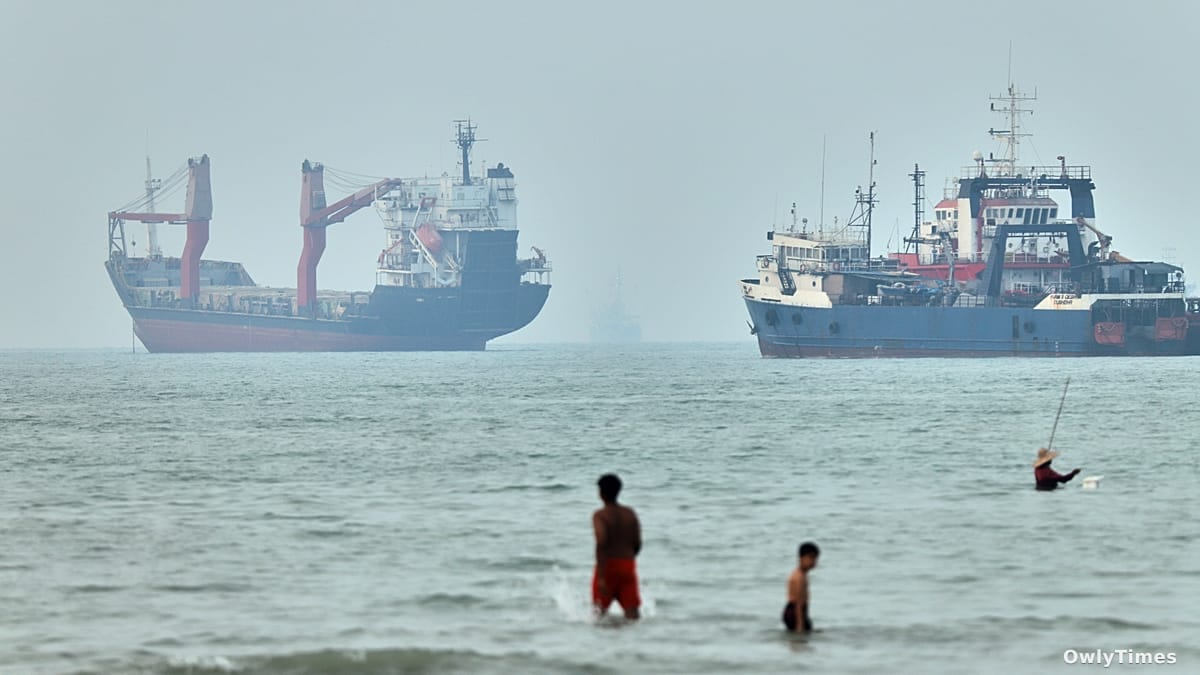
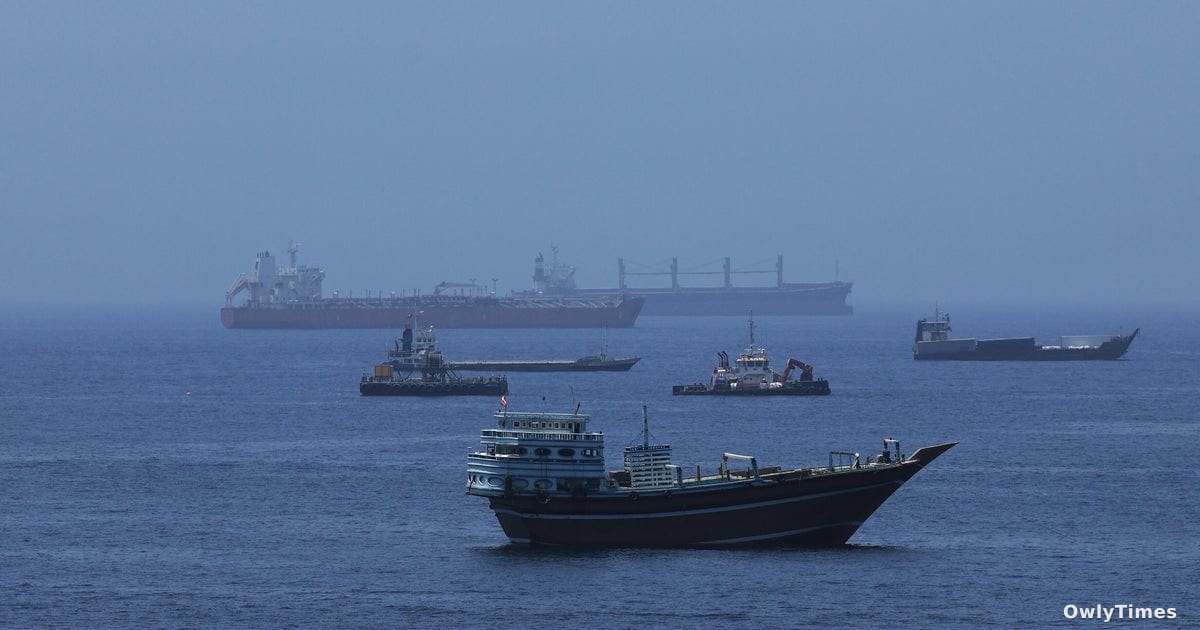
The Strait of Hormuz is the world’s most important oil chokepoint, handling roughly 21% of global oil consumption in 2025, according to the US Energy Information Administration. A closure, even a partial one, immediately spikes oil prices. Brent crude futures jumped 18% within hours of the IRGC announcement, reaching $112 a barrel – a level not seen since the 2021 energy crisis. This isn’t merely about Iranian revenue; it’s about disrupting the global economy, particularly countries heavily reliant on Middle Eastern oil like China, India, and several European nations. Who benefits and who loses is starkly defined: Iran gains leverage, oil-producing nations outside the Gulf stand to profit, and consuming nations face economic headwinds. The US, already grappling with a sluggish post-pandemic recovery, faces renewed inflationary pressures and potential recessionary risks. The scale of this economic disruption dwarfs any previous Iranian attempts at regional coercion, signaling a significant escalation in risk tolerance.
This article draws on reporting from Al Jazeera.
Echoes of 1987-1988: The Tanker War Revisited
The current situation bears unsettling parallels to the “Tanker War” phase of the Iran-Iraq War (1987-1988). Then, as now, Iran sought to disrupt oil shipments in the Persian Gulf, targeting tankers belonging to countries supporting Iraq. The US responded with Operation Earnest Will, a massive naval deployment to protect shipping lanes. However, the key difference is the current geopolitical context. In the 1980s, the US enjoyed a greater degree of international consensus and a less constrained economic environment. Today, the US faces a more multipolar world, with China and Russia actively courting Iran and less willing to endorse unilateral US actions. Furthermore, the global economy is far more interconnected and vulnerable to supply chain shocks. The 1987-88 conflict saw direct clashes between US and Iranian forces; the question now is whether President Ellis will authorize similar direct intervention, risking a wider regional war, or attempt to contain the situation through sanctions and diplomatic pressure – a strategy that has demonstrably failed to deter Iran in the past.
Riyadh Under Fire: Expanding the Theater of Operations
The simultaneous drone attacks on the US Embassy in Riyadh, while causing only limited damage, are a critical component of this unfolding strategy. Saudi Arabia, having recently normalized relations with Israel, is now explicitly targeted. This isn’t accidental. The attacks serve multiple purposes: to undermine the US-Saudi security partnership, to deter other Gulf states from further aligning with Israel, and to demonstrate Iran’s reach and ability to strike at the heart of US interests. The Saudi response has been predictably condemnatory, but Crown Prince Faisal faces a difficult calculation. A strong military response risks escalating the conflict, while inaction could be interpreted as weakness, emboldening Iran. The limited damage suggests the drones weren’t intended to inflict massive casualties, but to send a message – a calculated provocation designed to test the limits of the US security umbrella over the Kingdom.
The Next Move: A Naval Standoff or Diplomatic Overture?
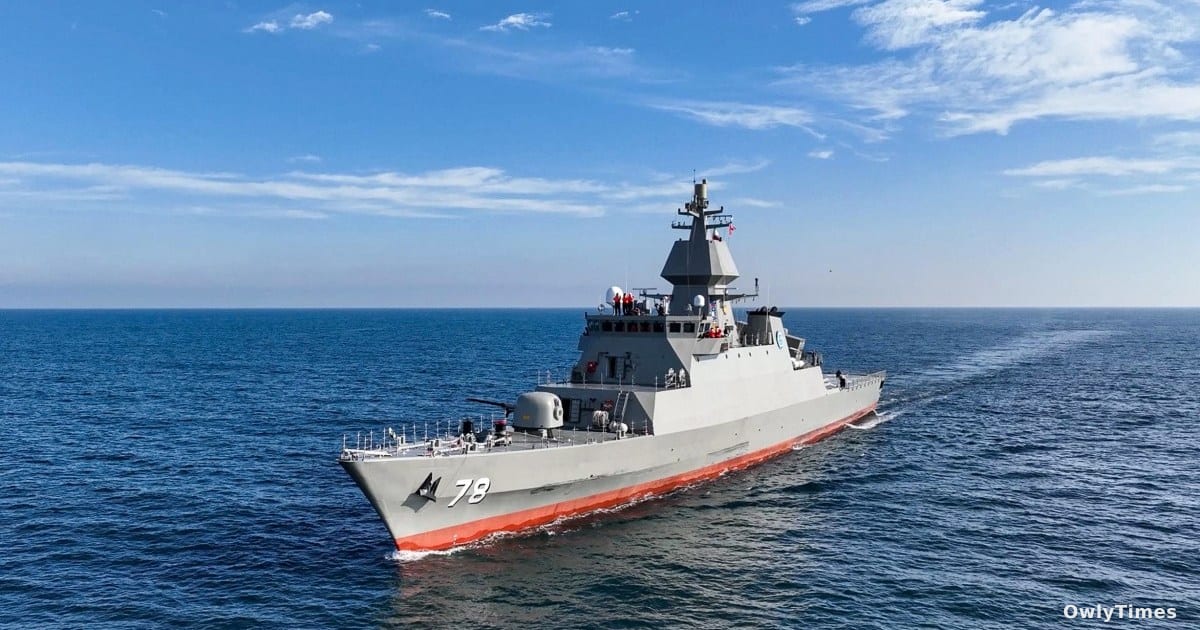
The immediate political chess move to watch isn’t whether the US will launch airstrikes against Iranian targets – that’s almost a certainty if the Strait remains closed for an extended period. It’s whether Secretary of State Ramirez can secure a backchannel negotiation with Iranian officials, potentially through intermediaries like Oman or Qatar. The IRGC’s closure of the Strait isn’t an irreversible act; it’s a bargaining chip. The question is what concessions Iran will demand in exchange for reopening the waterway. Will it be guarantees of non-interference in Lebanon, a rollback of US sanctions, or a more fundamental reshaping of the regional security architecture? The longer the Strait remains closed, the more difficult a diplomatic solution becomes, and the greater the risk of a full-scale regional war. The next 72 hours will reveal whether Washington is willing to engage in a high-stakes game of brinkmanship, or if the path to de-escalation remains open.