
Beyond the Brochure: How Penn State Students Are Shaping the Next Generation of Agricultural Scientists
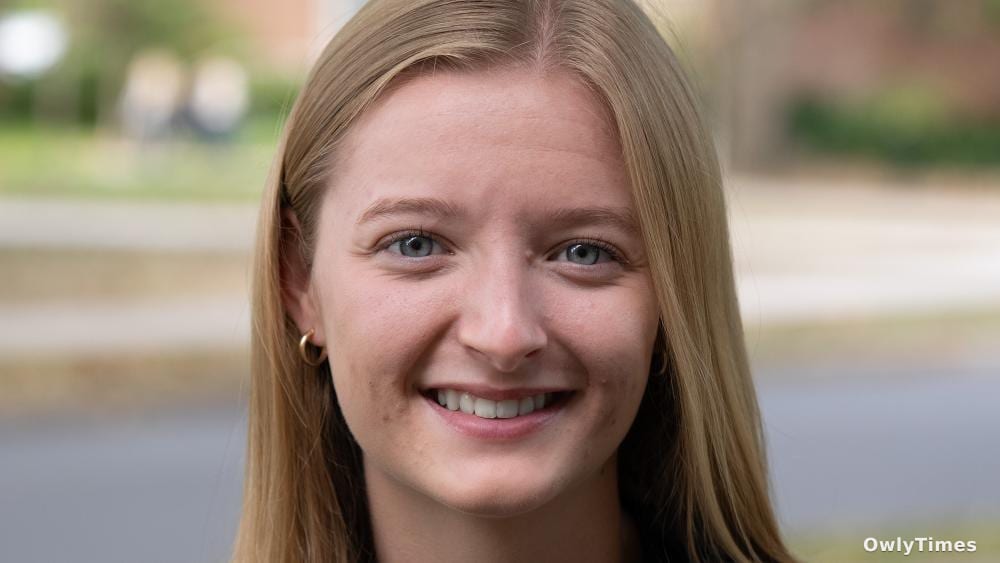
The narrative around higher education often focuses on rankings and research output, but a quieter, equally vital process is unfolding at institutions like Penn State: the cultivation of future leaders through peer-to-peer mentorship. This isn’t simply about campus tours; it’s about actively shaping the incoming class, and the responsibility is increasingly falling to current students. Emma Uhlman, a junior animal science major, exemplifies this shift, dedicating significant time to recruitment efforts as an Ag Advocate while simultaneously navigating her own demanding coursework and extracurriculars. Her story isn’t unique, but it highlights a growing trend – the recognition that prospective students respond most effectively to authentic voices from within the student body, a dynamic that traditional recruitment strategies often miss.
See the original psu.edu story for the full account.
Uhlman’s path to becoming an Ag Advocate wasn’t accidental. Coming from a family deeply rooted in animal science – four generations have attended Penn State, and she’s grown up assisting at a veterinary practice and participating in Pennsylvania 4-H since age eight – she experienced firsthand the power of a welcoming campus community. As she recalls, a meeting with Ag Advocates during her senior year of high school was pivotal. “Hearing the ‘student perspective’ was helpful and awesome, and it was something I immediately wanted to get involved with,” she stated. This experience underscores a key finding in higher education research: prospective students prioritize relatable experiences over polished presentations. They want to know what life feels like, not just what the university says it is. The Ag Advocates program, therefore, isn’t just selling a degree; it’s offering a preview of belonging.
The selection process for Ag Advocates reflects this emphasis on authenticity. Students aren’t simply chosen for their academic performance – though that’s a prerequisite – but also for their demonstrated engagement within the College of Agricultural Sciences and the wider university. As Bob Mikesell, undergraduate program coordinator for the animal science major, notes, Uhlman is a “people person” who “makes others feel at ease.” This isn’t a superficial quality; it’s a crucial skill for effective mentorship. Mikesell also highlights Uhlman’s unique perspective as both a “Penn State client” – someone who experienced the recruitment process herself – and a long-time participant in 4-H. This layered experience allows her to connect with prospective students on multiple levels, addressing both academic concerns and the anxieties of transitioning to college life.
It’s important to note what this model doesn’t address. While the Ag Advocates program clearly fosters a welcoming environment, it doesn’t necessarily solve systemic issues of access and affordability. A positive recruitment experience doesn’t erase financial barriers or address disparities in pre-college preparation. Furthermore, the program relies on the voluntary participation of current students, creating a potential for bias – those who are already thriving at Penn State are more likely to advocate for it. This isn’t a criticism of the program itself, but a reminder that recruitment is only one piece of a larger puzzle. The program’s recent expansion to include a recruitment team focused on identifying future Ag Advocates suggests an awareness of this challenge, aiming to diversify the pool of student ambassadors.
Looking ahead, the success of programs like the Ag Advocates hinges on continued investment in student leadership development. Penn State, and other universities, should consider formalizing mentorship training, equipping student ambassadors with the skills to navigate difficult conversations about campus climate, financial aid, and academic support. More importantly, institutions need to actively solicit feedback from both incoming and outgoing students to assess the effectiveness of these programs and identify areas for improvement. The question isn’t simply whether peer-to-peer recruitment works, but how to optimize it to create a truly inclusive and supportive environment for all students. Will universities prioritize this investment in relational recruitment, or will they continue to rely on traditional, often less effective, marketing strategies? The answer will shape the composition of the next generation of agricultural scientists – and beyond.





