
Why are we still treating the world’s oldest profession—farming—as if it’s immune to the digital revolution? We have spent the last decade obsessing over how Silicon Valley algorithms might replace graphic designers or copywriters, all while ignoring the fact that our actual food supply chain is running on little more than intuition and spreadsheets from the nineties.
The real story here isn’t just another government-funded grant—it’s the shift toward treating the local farmer as a data scientist. On April 16, the United States Embassy Port of Spain launched Partners in Prosperity: A U.S.–Caribbean Alumni Agriculture Alliance, an initiative that marks a fundamental pivot from reactive, traditional farming to a digitally integrated model. While the tech world loves to talk about "disruption" in the abstract, this project is actually trying to solve the problem of information asymmetry in Trinidad and Tobago’s agricultural sector.
The initiative, funded by the U.S. Government’s Alumni Engagement Innovation Fund (AEIF), hinges on the Citizen Science for Agricultural Prosperity (CSAP) model. Developed by exchange alumni Vijay Dialsingh and Luke Smith, the project secured a competitive grant of USD $35,000. Think of this as the agricultural equivalent of crowdsourcing; rather than waiting for top-down mandates, the project aims to train approximately 50 citizen scientists who will collect and analyze data directly from the fields. By connecting this grassroots data to institutional research, the project hopes to reduce crop losses and improve national food security.
The Cocoa Sector Pilot
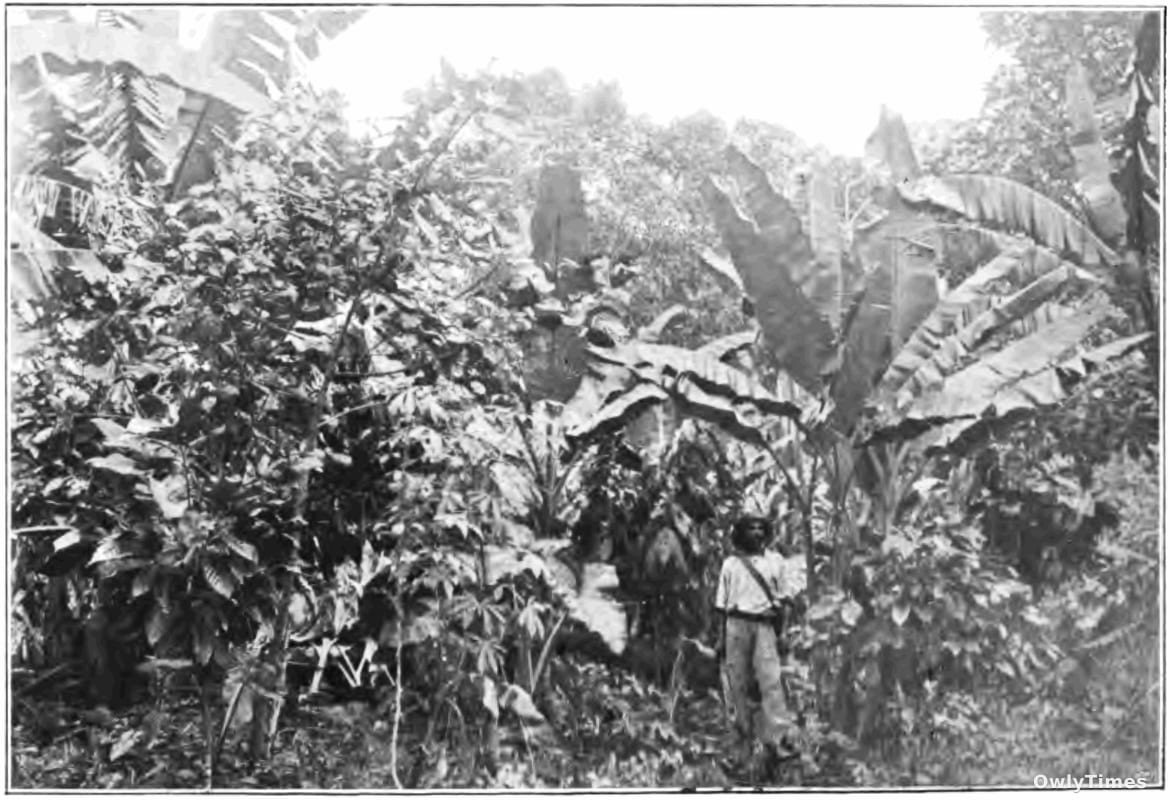
The first phase of the project is a three-month pilot campaign targeting the cocoa sector. This isn't just about sensors in the dirt; it’s about institutional collaboration. The campaign is being run in partnership with the University of the West Indies Cocoa Research Centre, led by Professor Pathmanathan Umaharan. By integrating digital tools with local agricultural knowledge, the project attempts to bridge the gap between academic research and the practical realities faced by farmers on the ground.
From Exchange Programs to Field Implementation
This project didn’t materialize out of thin air. It stems from the experience of four participants in the 2024 International Visitor Leadership Program (IVLP), who traveled to the U.S. to study Climate-Smart Agriculture. For the average user, these exchange programs often seem like diplomatic formality, but here, the program served as a literal incubator for tech transfer. When U.S. Chargé d’Affaires Dr. Jenifer Neidhart de Ortiz spoke at the launch, she framed the intersection of technology and sustainability as a core pillar of the U.S.’s Freedom 250 celebrations. It is a pragmatic application of international relations: using cross-border knowledge to solve localized supply chain issues.
Scaling the Human Network
The ambition is to engage 500 agricultural stakeholders, including youth, researchers, and farmers. Minister of Agriculture, Land and Fisheries Ravi Ratiram correctly identified the tension here: the sector has long been "fragmented and reactive." Moving toward a data-driven model requires more than just buying software; it requires a cultural shift in how farmers perceive their own output. The success of this model will be determined by the first three-month pilot data collection campaign. If this digital integration can actually move the needle on cocoa productivity, it will provide a blueprint for how small-scale agricultural economies can compete in an increasingly climate-sensitive global market.