
The Unexpected Chemical Consequences of a Farm Bill Loophole
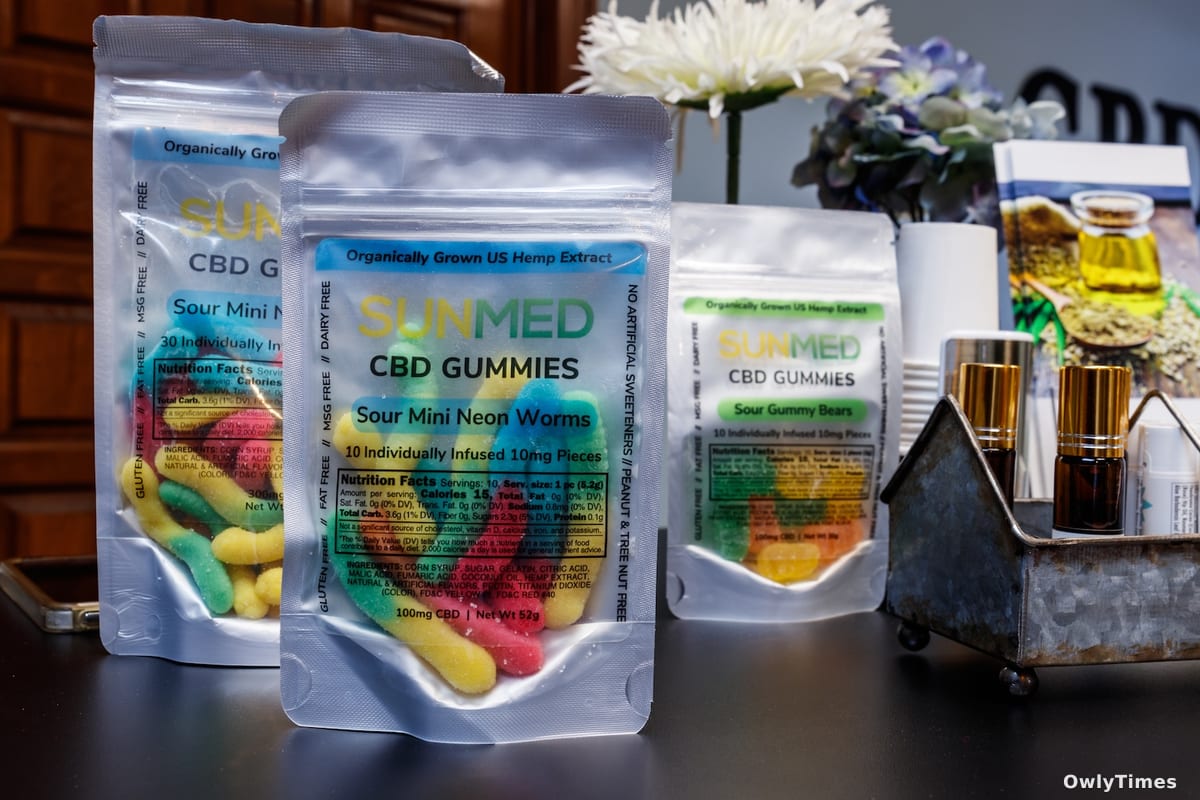
The proliferation of intoxicating “hemp-derived” products – gummies, vapes, even beverages – on convenience store shelves isn’t a sign of widespread cannabis legalization, but rather a consequence of a surprisingly narrow legal interpretation stemming from the 2018 Farm Bill. While many assume these products are subject to the same regulations as marijuana, that’s demonstrably untrue, and the resulting ambiguity is creating a public health and legal quagmire. The core issue isn’t if these products should be regulated, but how, and the current situation highlights the unintended consequences when agricultural legislation intersects with rapidly evolving consumer markets and complex chemistry. It’s a situation where the letter of the law is actively undermining the spirit of regulation, and the potential fallout extends beyond consumer safety.
Based on the original sciencefriday.com report.
The 2018 Farm Bill legalized hemp – defined as cannabis containing no more than 0.3% delta-9 tetrahydrocannabinol (THC) – for agricultural purposes. Crucially, the bill didn’t explicitly address other THC isomers, like delta-8 THC, which can be derived from hemp-grown CBD. This created a loophole: manufacturers began converting CBD into other psychoactive THC compounds, selling them legally despite possessing intoxicating effects. As Cinnamon Bidwell, a clinical psychologist focused on cannabis at the University of Colorado, explained in a recent Science Friday broadcast hosted by Flora Lichtman, the key distinction isn’t simply “hemp vs. marijuana,” but the specific chemical composition and how it interacts with the body. Delta-8 THC, for example, binds to the same receptors as delta-9 THC, but with a different affinity, resulting in a different – and often less predictable – psychoactive experience. Headlines often portray these products as “legal weed,” but that’s a misleading oversimplification; they are legally distinct substances with potentially different effects and, critically, a lack of standardized testing.
This legal gray area isn’t just a matter of consumer confusion. Investigative reporting, such as that recently conducted by Joe Hong and discussed on Science Friday, reveals further complications. Hong’s work in New York City focused not on the products themselves, but on their environmental impact – specifically, the presence of these compounds in urban snowmelt. This raises concerns about unintended exposure and the potential for these substances to enter the water supply, a consequence rarely considered in the initial legal debates surrounding the Farm Bill. The detection of THC isomers in snowbanks isn’t necessarily indicative of widespread harm, but it underscores the scale of consumption and the potential for broader environmental contamination. It’s a stark reminder that legal loopholes don’t exist in a vacuum; they have ripple effects that extend far beyond the point of sale.
The Looming Regulatory Shift and State-Level Responses
The current free-for-all is unlikely to continue. A federal law potentially coming in November could effectively close the loophole by explicitly regulating all THC isomers, regardless of their source. Simultaneously, states are taking matters into their own hands. Several states have already banned or severely restricted the sale of delta-8 and other hemp-derived THC products, citing public health concerns and the lack of oversight. This patchwork of regulations creates further confusion for both consumers and businesses, and highlights the limitations of relying solely on federal action. The economic impact is also significant; the hemp industry, which experienced rapid growth following the 2018 Farm Bill, faces potential disruption as these products are phased out. According to the PBS NewsHour, this small law change could have a huge impact on the U.S. hemp industry, potentially destabilizing a sector that farmers had invested in heavily.
Limitations to Consider
It’s important to acknowledge the limitations of current research. While we understand the basic pharmacology of delta-9 THC, the long-term effects of chronic delta-8 THC exposure are largely unknown. Studies are hampered by the legal status of these substances and the difficulty in obtaining standardized samples. Furthermore, the potency and purity of these products vary widely, making it difficult to draw definitive conclusions about their safety. The Science Friday segment, while informative, is based on expert opinion and preliminary findings; the transcript, when available, will offer a more detailed account of the scientific basis for these claims. The environmental impact studies, like Hong’s work, are also limited in scope and require further investigation to determine the extent of contamination and potential ecological consequences.
The next crucial research steps involve comprehensive toxicological studies to assess the long-term health effects of delta-8 and other THC isomers. Simultaneously, standardized testing protocols are needed to ensure product safety and accurate labeling. Beyond the scientific realm, policymakers must grapple with the economic implications of regulating these products and develop strategies to support hemp farmers who may be affected. Perhaps most importantly, the public needs clear and accurate information about the risks and benefits of these substances, moving beyond sensationalized headlines and towards a nuanced understanding of the complex legal and chemical landscape. Will consumers, accustomed to readily available intoxicating products, shift to regulated cannabis markets, or will a black market for these isomers emerge, further complicating enforcement efforts? That’s the question we should be watching for in the coming months.