
The scent of simmering cabbage and the distant thrum of a snare drum already hang in the Baton Rouge air. It’s a city bracing for its annual explosion of green, a tradition as reliable as the Mississippi River’s current. But this year, the Wearin’ of the Green St. Patrick’s Day Parade is navigating a last-minute shift, a cancellation that speaks volumes about the evolving demands on public figures – and the surprising power of a well-timed comedy tour. Theo Von, the Louisiana-born comedian known for his self-deprecating humor and wildly popular “This Past Weekend” podcast, won’t be joining the revelry, opting instead for a three-show run in Jacksonville, Florida.
A Comedian’s Calculus: Hometown Pride vs. The Hustle
Von’s decision, announced via a laconic post on X (“Can’t make this, Baton Rouge! Have shows in Jacksonville this weekend. See y'all next year. Love y'all”), isn’t simply a scheduling conflict. It’s a microcosm of the modern entertainer’s life, a constant negotiation between loyalty to roots and the relentless pressure to capitalize on momentum. At 45, Von isn’t a newcomer; he’s built a career on MTV, Comedy Central, and now, a podcast that consistently tops the charts. His Friday and Saturday night commitments in Florida represent not just income, but the continuation of a carefully constructed brand. The Wearin’ of the Green, while a gesture of hometown pride, doesn’t offer the same return. This isn’t a snub, but a business decision, and it’s a surprisingly honest one in an era of carefully curated public images. It highlights a tension: can a comedian, particularly one who’s found success outside of mainstream television, afford to prioritize symbolic appearances over paying gigs?
Drawn from theadvocate.com.
Beyond the Float: Celebrating a Different Kind of Victory
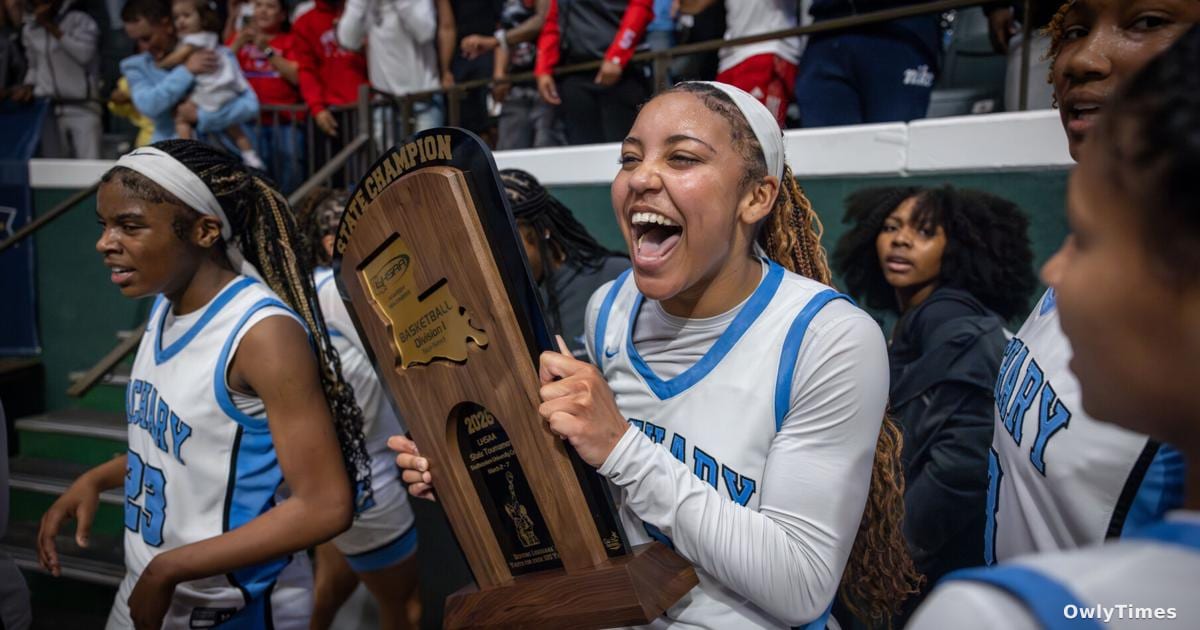
While Von’s absence is a talking point, the parade is pivoting, and in a way that feels distinctly Baton Rouge. Instead of scrambling for a replacement celebrity, organizers are amplifying a local triumph. Fresh off state championship wins, the girls’ basketball teams from University High, Southern Lab, and Zachary High will be honored atop the champions’ float. This isn’t a consolation prize; it’s a deliberate refocusing of the parade’s energy. “The community has really come together to give these kids this opportunity to be celebrated,” explained float organizer Darryl Hurst, emphasizing that a sponsor stepped up to cover the entry fee. In a cultural landscape often obsessed with individual celebrity, this feels like a pointed, and welcome, shift. It’s a reminder that parades aren’t just about waving to famous faces; they’re about recognizing collective achievement.
Political Presence and Personal Absences
The parade’s guest list also reveals a subtle dance of political optics. U.S. Senator Bill Cassidy will be making an appearance, a standard move for a politician seeking visibility. However, Baton Rouge Mayor-President Sid Edwards declined the invitation, citing a prior commitment to attend a funeral. While a perfectly legitimate reason, it’s impossible to ignore the backdrop of a contentious political climate. Louisiana is gearing up for a gubernatorial election, and even a seemingly innocuous event like a parade can become a stage for subtle messaging. Edwards’ absence, while respectful, removes him from a potentially positive public appearance. It’s a small detail, but in the world of Louisiana politics, every gesture is scrutinized. Mabyn Shingleton, a spokesperson for The Parade Group LLC, confirmed both Von’s cancellation and Edwards’ declination, keeping the information flow controlled and concise.
What This Means for Louisiana’s Entertainment Ecosystem
The Wearin’ of the Green’s minor upheaval isn’t just about one comedian or one parade. It’s a signal of a broader shift in how Louisiana views and supports its entertainment industry. The state has a rich cultural heritage, but often struggles to retain its talent. Theo Von’s success is a source of pride, but his decision to prioritize out-of-state engagements underscores the economic realities facing Louisiana artists. Will the state invest more in creating opportunities that allow performers like Von to balance national ambitions with local loyalty? Will Baton Rouge find ways to leverage its cultural events to foster a more sustainable entertainment ecosystem? The parade rolls on Saturday, but the questions it raises will linger long after the last bead has been thrown. The real spectacle isn’t just who is on the floats, but what their presence – or absence – reveals about the future of Louisiana’s creative landscape.