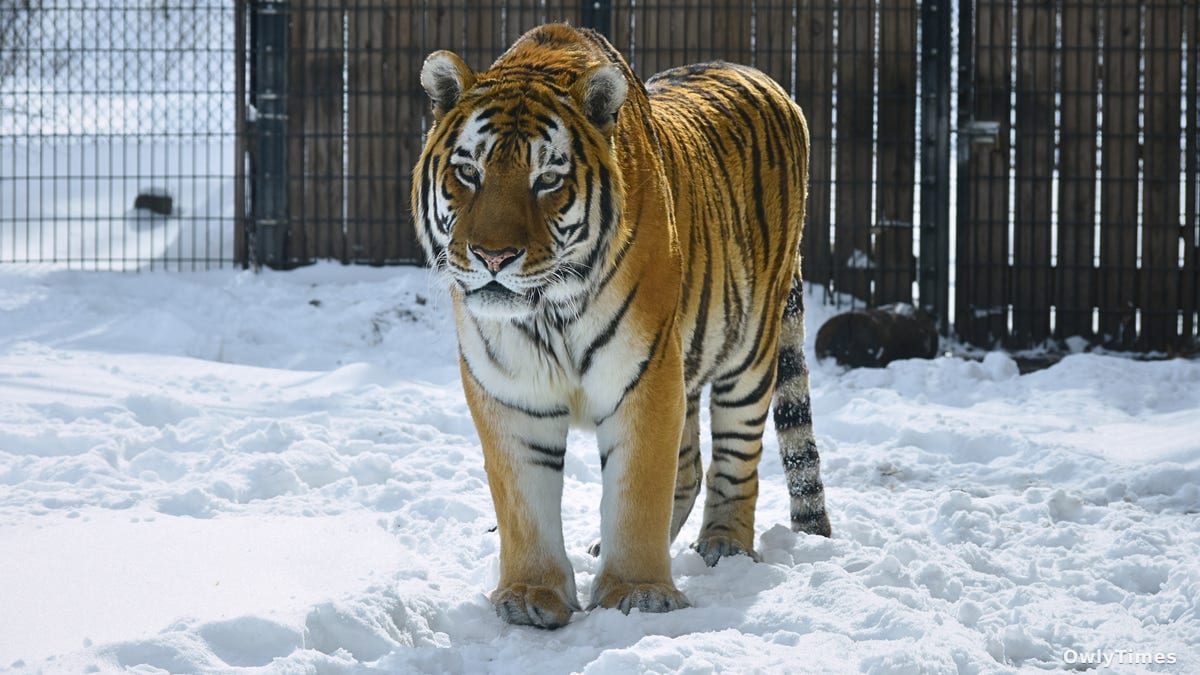

The Fragile Future of Big Cat Conservation: One Tiger’s Passing and a Zoo’s Rebuild
The death of Bronevik, a 16-year-old Amur tiger at the Blank Park Zoo in Des Moines, Iowa, isn’t simply the loss of a charismatic animal; it’s a stark reminder of the complex challenges facing conservation efforts, even within the seemingly controlled environment of a modern zoo. While initial reports focus on “neurological concerns” leading to humane euthanasia, the timing of this loss – concurrent with an $18 million zoo expansion aimed at bolstering the Amur tiger population – reveals a deeper tension between immediate animal welfare, long-term breeding goals, and the realities of a species clinging to survival. It’s a situation that demands a closer look at what zoos can realistically achieve in the face of dwindling wild populations and aging animal cohorts.
This piece references the desmoinesregister.com report.
The zoo’s April 3rd announcement detailed a “rapid decline” in Bronevik’s health and mobility. This phrasing is crucial. It wasn’t a sudden illness, but a deterioration consistent with age, a factor often underestimated in public perception of zoo animal deaths. The median life expectancy for Amur tigers in human care is, according to the zoo’s statement, already surpassed by Bronevik’s 16 years. This isn’t to diminish the loss – the carnivore care team rightly expressed their affection for an animal described as “opinionated” and appreciative of simple enrichment like ice treats – but to contextualize it. Zoo animals, despite receiving veterinary care, are still subject to the biological constraints of their species. The focus on neurological issues, while not fully detailed in the public statement, suggests a condition that would have significantly impacted Bronevik’s quality of life, justifying the difficult decision.
The significance of Bronevik’s arrival in 2023 from Omaha’s Wildlife Safari Park lies in his role within the Association of Zoos and Aquariums’ (AZA) Species Survival Plan (SSP). The SSP isn’t about simply accumulating animals; it’s a carefully managed breeding program designed to maximize genetic diversity within captive populations. Bronevik was brought to Des Moines to breed with Misha, the zoo’s resident female Amur tiger. His death, therefore, represents a setback to those efforts, highlighting the inherent risk in relying on a limited number of breeding individuals. The previous shifts in the zoo’s tiger population – the death of Max from cancer in 2017 and the transfer of Luka after his initial arrival in 2018 – demonstrate the fluid nature of these programs and the constant need for adjustments. The AZA’s SSP operates on a principle of genetic “insurance,” but even the most robust plan can be disrupted by unforeseen health issues or reproductive failures.
The $18 million expansion underway at Blank Park Zoo isn’t a response to Bronevik’s death, but a pre-planned investment intended to prevent similar setbacks in the future. The project’s phased approach – relocating lions to a tripled-sized habitat, then converting their former enclosure into a dedicated tiger conservation center – is strategically designed to optimize breeding conditions. This isn’t simply about providing more space; it’s about creating an environment that encourages natural behaviors and reduces stress, both of which can impact reproductive success. However, it’s important to note that even a state-of-the-art facility cannot replicate the complexities of a wild ecosystem. The success of the expansion hinges on continued participation in the SSP, careful monitoring of the tiger population’s health, and a commitment to ongoing research.
Limitations to Consider
While the zoo’s expansion is a positive step, it’s crucial to acknowledge the limitations of captive breeding programs. Genetic diversity, even within the SSP, remains a concern. Bottlenecks in the founding population mean that captive tigers may lack the genetic resilience to adapt to future environmental changes. Furthermore, the focus on breeding can sometimes overshadow the importance of addressing the root causes of the species’ decline in the wild – habitat loss, poaching, and human-wildlife conflict. The estimated 500-600 Amur tigers remaining in the wild face pressures that a well-funded zoo expansion simply cannot alleviate.
Looking ahead, the next critical research step isn’t about improving captive breeding techniques, but about understanding the specific genetic vulnerabilities of the Amur tiger population – both in zoos and in the wild. Genome sequencing and analysis can identify key genes related to disease resistance and reproductive fitness, informing breeding decisions and potentially guiding conservation efforts in the field. Will the zoo’s new conservation center prioritize this type of genetic research alongside breeding programs? That’s the question observers should be watching for as the expansion nears completion in 2026. The future of the Amur tiger depends not just on increasing numbers, but on ensuring the long-term health and adaptability of the species as a whole.





