
A $3 Million Signal of Community Value in Coastal Maine
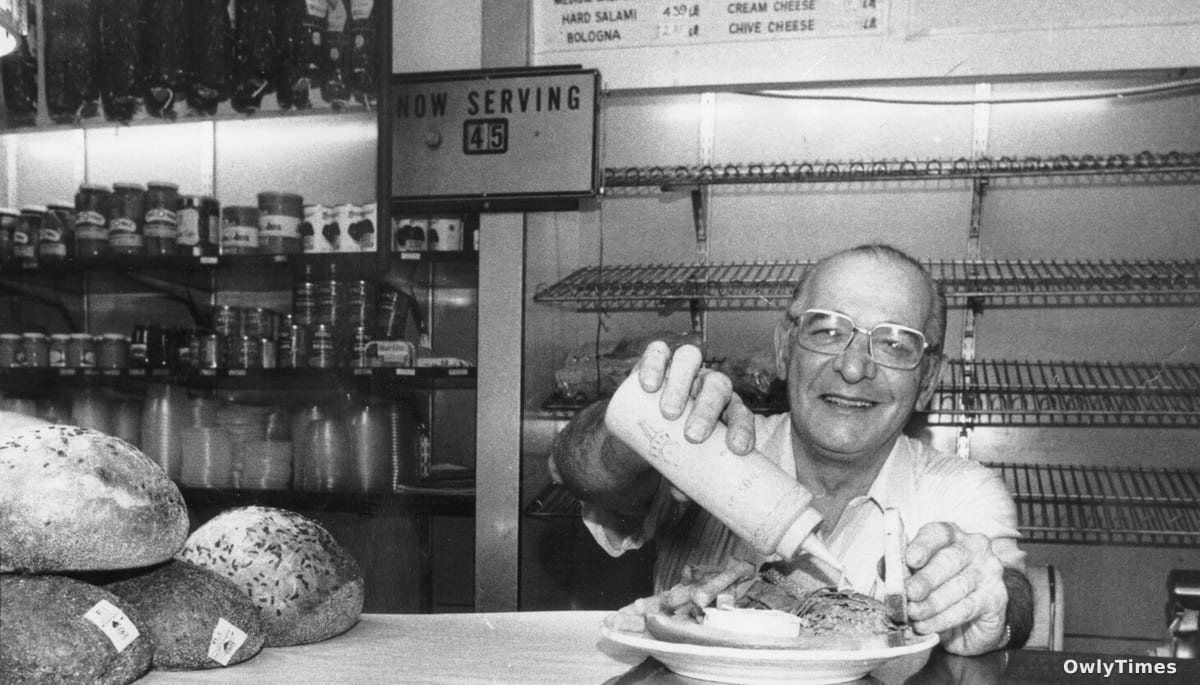
$3 million. That’s a rough estimate of the annual economic impact of the Tozier Family Market across its three locations – Bucksport, Searsport, and Brewer – at its peak, based on average Maine grocery store revenue per square foot and reported store sizes. The recent passing of Dale Tozier Sr., at age 73, isn’t simply the loss of a family man, but a stark reminder of the eroding economic foundations of rural Maine and the outsized role small businesses play in maintaining them. Tozier’s life story, meticulously documented through local news and family recollections, reveals a business model built not on maximizing profit, but on sustaining a community – a strategy increasingly rare in today’s consolidated grocery landscape.
Reporting from bangordailynews.com informs this analysis.
Tozier’s entry into the grocery business in 1986, taking the reins from his father Dana Tozier in Bucksport, coincided with a period of relative stability for Maine’s paper mill towns. However, the subsequent decades witnessed a systematic dismantling of that economic base. The 2014 closure of the Verso paper mill in Bucksport, a loss Tozier lamented as “hurt[ful],” wasn’t an isolated incident. Maine has lost over 20 major manufacturing facilities since 2000, according to data from the Maine Department of Labor, each closure creating a ripple effect that extends far beyond lost wages. Tozier’s comment – “This community is not going to die…we’re survivors” – wasn’t mere optimism; it was a reflection of his business philosophy. He understood his stores weren’t just selling groceries, they were providing a vital service in a shrinking economic ecosystem.
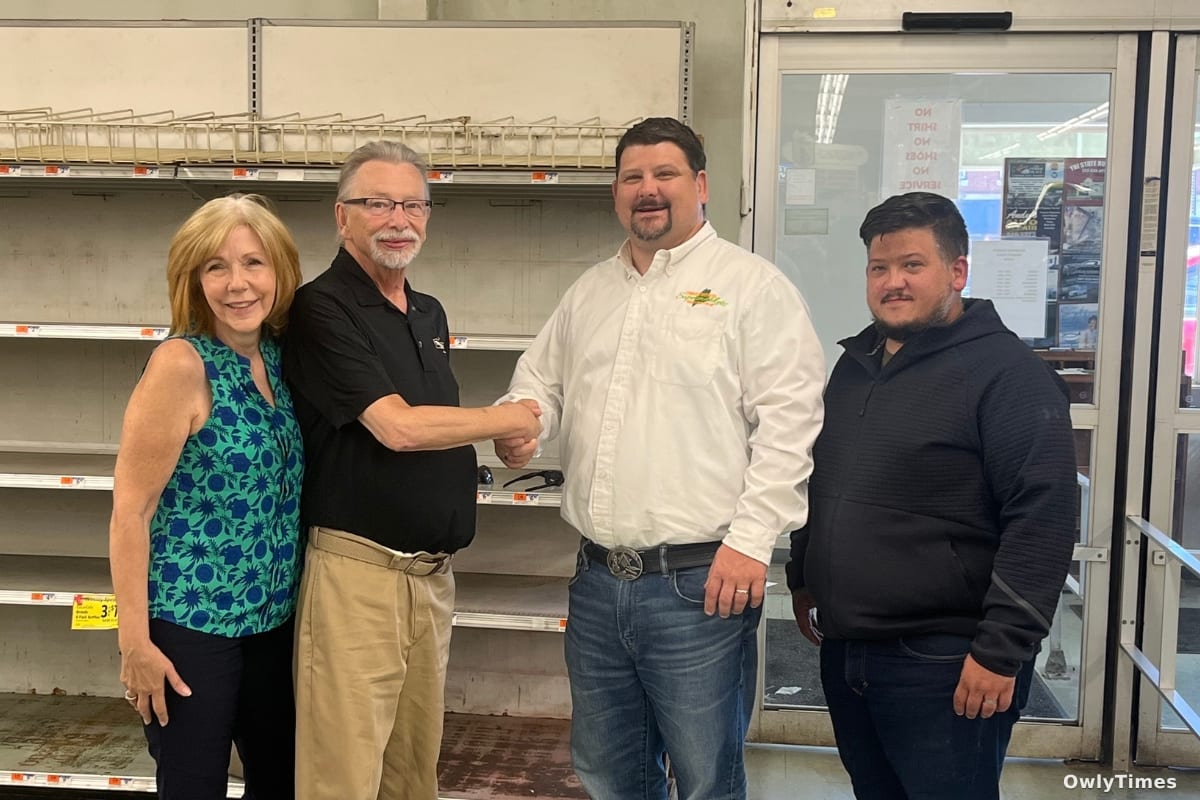
The sale of the Tozier stores, and the subsequent temporary closure of the Searsport location during the Route 1 construction, underscores the vulnerability of these community anchors. The Route 1 project, intended to stimulate economic growth, ironically created a six-month void where a crucial service disappeared. This isn’t an anomaly. A 2023 study by the USDA found that rural grocery store closures correlate directly with increased food insecurity and decreased access to fresh produce. The fact that Jeremy Edwards was specifically sought out to reopen the Searsport store in 2024 – with the explicit instruction to “run it like they did and take care of the community” – speaks volumes. It wasn’t a simple business transaction; it was a community actively preserving its social infrastructure.
The significance of this isn’t lost on local officials. James Gillway, Searsport’s town manager, explicitly stated the town was “glad to be getting its neighborhood grocery store back,” framing the reopening as a restoration of community wellbeing. This sentiment highlights a growing recognition that the economic value of a local grocery store extends beyond its sales figures. These stores function as social hubs, providing employment, supporting local producers, and offering a sense of stability in times of change. The implicit cost of losing such a business – the increased travel time for residents, the loss of local spending, the erosion of community spirit – is rarely factored into traditional economic analyses.
What this means for your wallet: The story of Dale Tozier Sr. and the Tozier Family Market isn’t just a local obituary; it’s a microcosm of a national trend. As larger grocery chains prioritize efficiency and scale, smaller, community-focused stores are becoming increasingly rare. Consumers should actively support these businesses, even if it means paying a slightly higher price, because the true cost of losing them – the loss of community resilience – is far greater. The question now is whether the model championed by Tozier – prioritizing community over pure profit – can be replicated and sustained in the face of relentless economic pressures. Watch for whether Edwards can maintain the Tozier legacy in Searsport, and whether other Maine towns will proactively seek to preserve their own local grocery stores before they disappear.