
Is your oven’s untimely demise actually an opportunity? That’s the question increasingly facing home cooks, and the answer, surprisingly, might be “yes.” While Silicon Valley chases the next AI breakthrough or metaverse land grab, a quiet revolution is happening in American kitchens – and it’s powered by electromagnetism. The real story here isn't about flashy tech promises, it’s about the surprisingly practical benefits of induction cooking, and how a broken appliance can force a re-evaluation of decades-old habits.
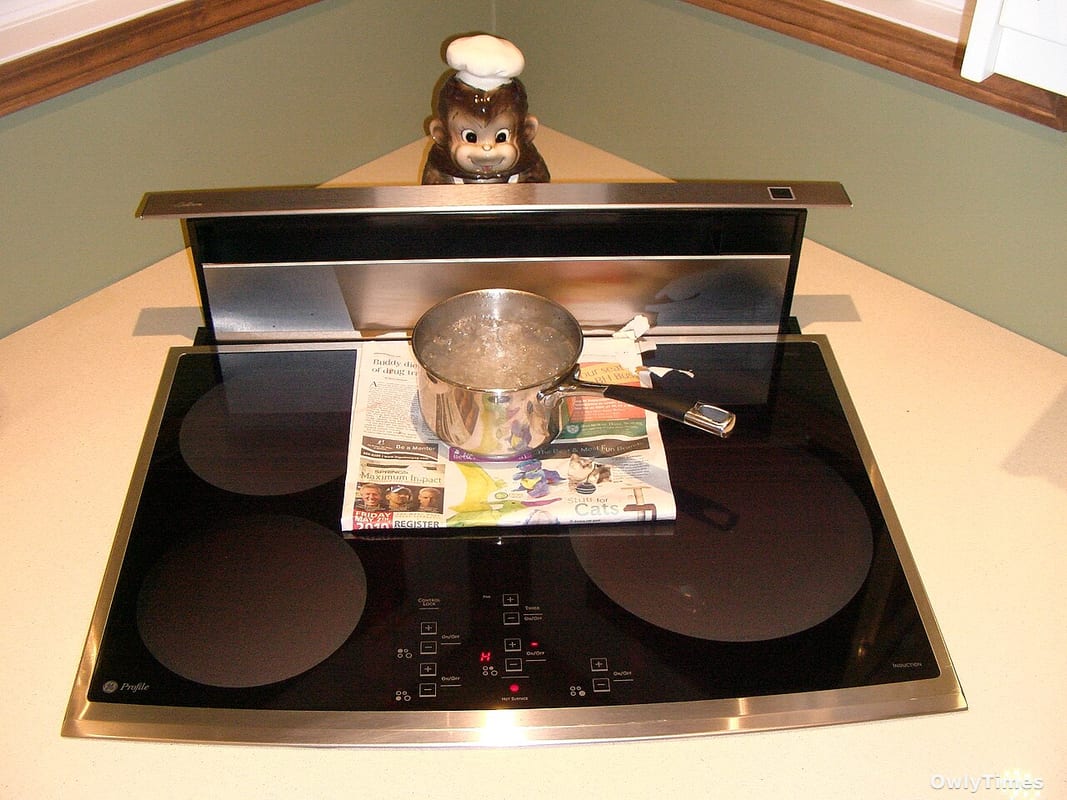
Aaron, a former cook and caterer known as @cookwithyourbrain on TikTok, recently documented his forced foray into the world of induction after his conventional oven door shattered. His experience isn’t an isolated incident; it’s a microcosm of a larger trend. He confessed to “low-key hating” his old electric stove, a sentiment many home cooks share. But his subsequent enthusiasm for induction – praising its speed, consistent heating, and easy cleanup – is what’s truly noteworthy. He even clocked boiling five quarts of water in a mere two minutes and four seconds, declaring it “insane” and “way faster than anything else.” This isn’t just about faster boiling times; it’s about a fundamental shift in how we think about cooking.
Reporting from shopping.yahoo.com informs this analysis.
Beyond the Hype: Why Induction Matters
Induction cooking utilizes electromagnetism to directly heat cookware, bypassing the inefficiencies of gas flames or electric resistance coils. This translates to significant energy savings. While the upfront cost can be a barrier, incentives are growing. Several states now offer rebates of up to $840 to offset the price of an induction model, a substantial sum that acknowledges the long-term economic benefits. But the financial argument isn’t the only compelling one. The growing awareness of the health risks associated with gas stoves – the release of nitrogen dioxide and other pollutants – is driving demand for cleaner alternatives. Induction stoves produce zero emissions, contributing to improved indoor air quality.
This isn’t a fringe movement. Aaron’s TikTok video sparked a lively discussion in the comments, with users sharing tips and experiences. One commenter highlighted the importance of pan compatibility, noting that heat settings need adjustment depending on the cookware. Aaron readily acknowledged this, demonstrating a willingness to adapt – a key factor in successful adoption. Another user simply stated their future upgrades “def be induction just for the consistency alone,” while a third touted the benefit of a cooler kitchen during cooking. These aren’t tech evangelists; they’re everyday people recognizing tangible improvements in their cooking experience.
The Accessibility Factor: Induction for Renters and Budget-Conscious Cooks
The narrative around sustainable technology often centers on expensive, whole-home renovations – solar panels, heat pumps, and the like. But induction cooking offers a surprisingly accessible entry point. For those who rent or lack the funds for a full stove replacement, a $50 portable induction cooktop provides a taste of the technology’s benefits. This is crucial. The environmental impact of a technology is limited if it’s only available to the affluent. The availability of affordable options democratizes access to cleaner, more efficient cooking methods.
This accessibility is further underscored by a recent poll accompanying the article, asking users how much they’d pay monthly for solar panels with no down payment. The responses – ranging from “$200 or more” to “I’d only do it if someone else paid for it” – reveal a clear hesitancy towards significant upfront investment, even for environmentally friendly upgrades. Induction, with its lower barrier to entry, sidesteps this issue. It’s a practical solution for those who want to make a change now, without waiting for government programs or massive financial commitments.
The Pan Problem and the Future of Kitchen Tech
The comments on Aaron’s TikTok also reveal a key challenge: cookware compatibility. Induction requires magnetic cookware – cast iron and many stainless steel pots and pans work, but aluminum and copper generally don’t. This necessitates an initial investment in new cookware, which can be a deterrent. However, the market is responding. More and more cookware manufacturers are producing induction-compatible options, and affordable sets are readily available.
But the bigger question isn’t just about pans; it’s about the integration of induction technology into a broader smart kitchen ecosystem. We’re already seeing connected ovens and refrigerators. What happens when your induction cooktop communicates with your smart recipe app, automatically adjusting heat settings based on the dish you’re preparing? Or when it integrates with your energy grid, optimizing cooking times to take advantage of off-peak electricity rates? Expect to see a surge in these types of integrations within the next two years, transforming the kitchen from a functional space into a data-driven, energy-efficient hub. The broken oven door, it turns out, wasn’t a setback – it was a signal of things to come.