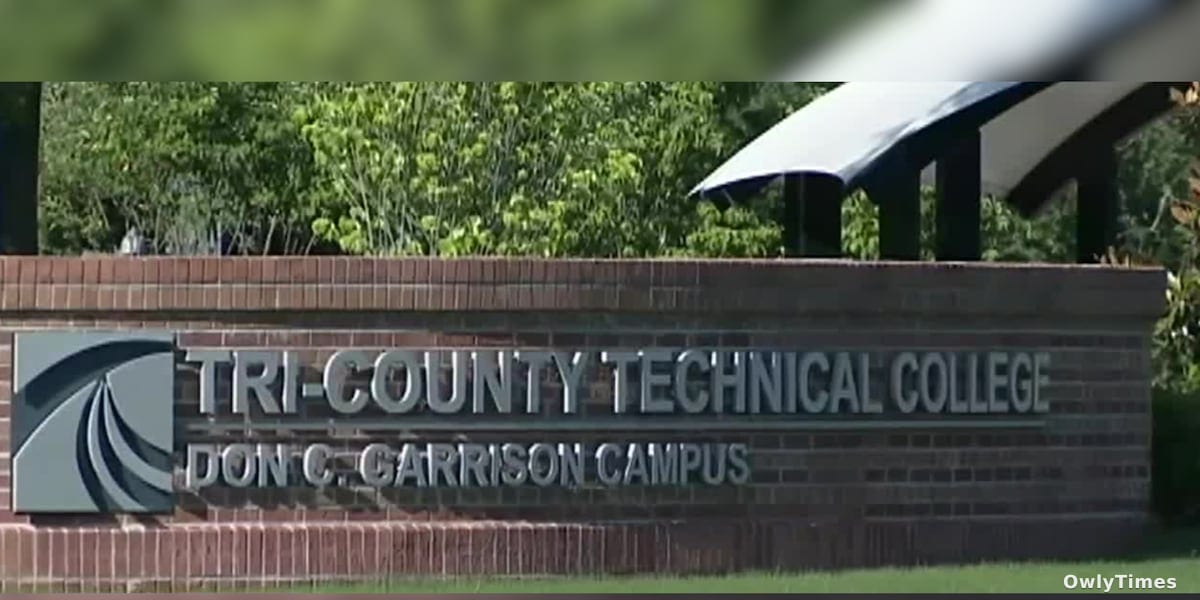

Is a veterinary technician shortage about to get worse, or is this just another case of local drama amplified by social media? That’s the question swirling around Tri-County Technical College in Pendleton, South Carolina, after rumors of program closure spread like fleas on a golden retriever. The real story here isn't a failing program – it’s the precariousness of specialized vocational training in an era obsessed with four-year degrees and the anxieties that ripple through students when institutional stability feels threatened.
On Monday, students received notice that the department head of the Veterinary Technology program had resigned. This, predictably, sparked panic. In a region already grappling with a critical shortage of qualified veterinary professionals – a problem exacerbated by the pandemic-fueled pet boom – the thought of a pipeline shutting down is genuinely frightening. According to the American Veterinary Medical Association, the demand for veterinary technicians is projected to grow 6% from 2022 to 2032, faster than the average for all occupations. Losing a program like Tri-County’s isn’t just a local issue; it chips away at the national capacity to care for our animals.
The college was quick to issue a statement, attempting to quell the unrest. They explicitly stated the program is “not in jeopardy of closing and is not at risk of losing accreditation” from the American Veterinary Medical Association Committee on Veterinary Technician Education and Activities (AVMA‑CVTEA). This is crucial. Accreditation isn’t just a rubber stamp; it’s the gatekeeper to licensure, and without it, graduates can’t legally practice. The college further emphasized that the program remains fully staffed, supported by a veterinarian, a program director, and both full-time and part-time faculty. They’ve even appointed the dean of the Health Education Division as interim department head to maintain continuity.
This piece references the foxcarolina.com report.
The Ripple Effect of Leadership Changes
But let’s be real: a department head resignation always creates disruption. It’s not just about who’s teaching the classes; it’s about institutional knowledge, program vision, and the subtle cues students pick up from a stable leadership structure. The college acknowledges a slight delay in the arrival of animals for the semester, though they assure students that clinical experience – the hands-on component that’s arguably the most valuable part of the program – will begin on March 24th. A delay, even a short one, can throw off carefully planned curricula and create logistical headaches for both students and faculty. It’s a small crack in the facade of normalcy, and those cracks are where anxieties breed.
Beyond Pendleton: A Warning Sign for Vocational Schools
The speed with which rumors took hold speaks to a larger trend. Vocational schools, often overlooked in the rush to promote traditional higher education, are particularly vulnerable to these kinds of anxieties. They rely heavily on reputation and word-of-mouth, and a perceived instability can quickly erode trust. This isn’t about snobbery towards trade schools; it’s about recognizing that skilled trades are essential to a functioning society. We need plumbers, electricians, and veterinary technicians. The fact that a single resignation could trigger a full-blown crisis of confidence highlights how fragile that support system can be. Tri-County’s proactive response – publishing a Q&A to address concerns – is a smart move, but it’s also a defensive one.
Accreditation as the New Assurance
The college’s repeated emphasis on maintaining AVMA‑CVTEA accreditation isn’t accidental. In a landscape where the value of a degree is constantly being debated, accreditation has become the new baseline for assurance. It’s the signal to employers, licensing boards, and students that a program meets certain standards of quality. The fact that Tri-County is actively monitoring staffing and resources to maintain compliance isn’t just good practice; it’s a public relations necessity. They’re essentially saying, “Trust us, we’re doing everything we can to protect your investment.”
What happens next? Watch for a surge in applications to similar veterinary technology programs in neighboring states. Students, understandably rattled by this episode, will diversify their options. More importantly, pay attention to whether Tri-County can successfully recruit a permanent department head who can not only maintain the program’s quality but also actively champion its value within the community. If they can’t, this won’t be a one-time scare. It will be the first domino in a slow erosion of a vital resource.