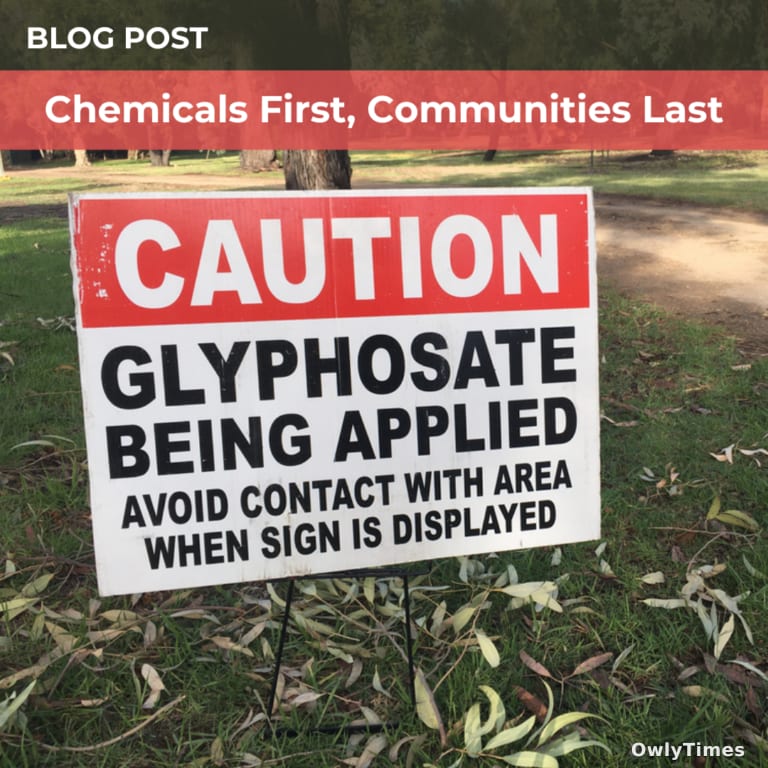

$58 Billion Shift: How Trump’s Glyphosate Order Rewrites Risk in American Agriculture
A staggering $58 billion – the combined 2024 revenue of Monsanto (now part of Bayer) and Corteva Agriscience, the two dominant players in the glyphosate market – underscores the economic force driving President Trump’s February 20th executive order invoking the Defense Production Act. The order, ostensibly to secure the supply of “critical” agricultural inputs like glyphosate and elemental phosphorus, represents a calculated gamble: prioritizing short-term production over mounting evidence of long-term health and environmental costs. Follow the money, and the picture becomes clear – this isn’t about national security, it’s about shielding a powerful industry from escalating liability and regulatory scrutiny.
The executive order’s justification, linking glyphosate to national security via U.S. agriculture, is a significant departure from precedent. While agricultural stability is a national concern, framing a widely-contested herbicide as essential defense material allows Trump to bypass standard regulatory processes. This move effectively preempts potential restrictions stemming from ongoing litigation and independent research linking glyphosate exposure to non-Hodgkin’s lymphoma, liver damage, and endocrine disruption. The legal immunity granted to chemical producers under the order is particularly noteworthy; in 2023, Bayer alone faced over 40,000 lawsuits related to glyphosate’s alleged health effects, resulting in settlements exceeding $10 billion. This order effectively halts the bleeding, offering a shield against future claims while simultaneously incentivizing increased production.
This piece references the waterkeeper.org report.
This isn’t happening in a vacuum. The concurrent drafting of the 2026 Farm Bill by the House Agriculture Committee (H.R. 7567) amplifies the pro-industry tilt. The bill’s provisions to permanently remove “dozens of hazardous pesticides” from federal safety reviews represent a systemic weakening of oversight. Consider this: the Environmental Protection Agency (EPA) currently reviews pesticide registrations every 15 years. Delaying these reviews until 2031, as the Farm Bill proposes, means potentially harmful chemicals could remain on the market for another eight years without updated safety assessments. This is a direct contradiction to the EPA’s stated mission of protecting human health and the environment, and a clear win for companies like Corteva and Bayer who stand to benefit from continued sales of older, potentially problematic formulations.
The rollback of Clean Water Act protections is equally concerning. The bill’s language, which could weaken limitations on pesticide runoff into waterways, directly impacts the $410 billion U.S. fishing industry and the millions who rely on clean water sources. Data from the U.S. Geological Survey shows that glyphosate is already detected in over 75% of U.S. stream water samples, and in over 60% of rainfall. Expanding permissible runoff levels will inevitably exacerbate this contamination, increasing costs for water treatment facilities and potentially impacting aquatic ecosystems. The inclusion of provisions weakening protections against toxic fire retardant chemicals further broadens the scope of potential environmental damage, suggesting a deliberate effort to dismantle existing safeguards across multiple fronts.
The USDA’s directive to prioritize chemical production, even if it increases exposure risks, is the most alarming aspect of the executive order. This effectively places economic considerations above public health, a reversal of decades of regulatory policy. The agency’s newfound power to “second-guess or block EPA health and environmental safeguards” creates a dangerous internal conflict, potentially undermining the scientific integrity of the regulatory process. This shift in power dynamics is particularly troubling given the USDA’s historical ties to the agricultural industry, raising questions about potential conflicts of interest.
What this means for your wallet: expect to see increased costs associated with water purification and healthcare as pesticide contamination rises. Farmers may face lower yields due to increased pest resistance, potentially driving up food prices. More importantly, the long-term health consequences of increased glyphosate exposure – from cancer treatment to chronic disease management – will place a significant burden on the healthcare system, ultimately impacting everyone’s insurance premiums. The critical question now is whether Congress will challenge these provisions in the Farm Bill and hold the administration accountable for prioritizing industry profits over public well-being. Watch closely for amendments to H.R. 7567 and public pressure campaigns targeting key lawmakers – the outcome will determine the future of agricultural regulation and environmental protection in the U.S. for years to come.





