
The Calculus of Discontent: Trump’s State of the Union Address and a Fractured Electorate
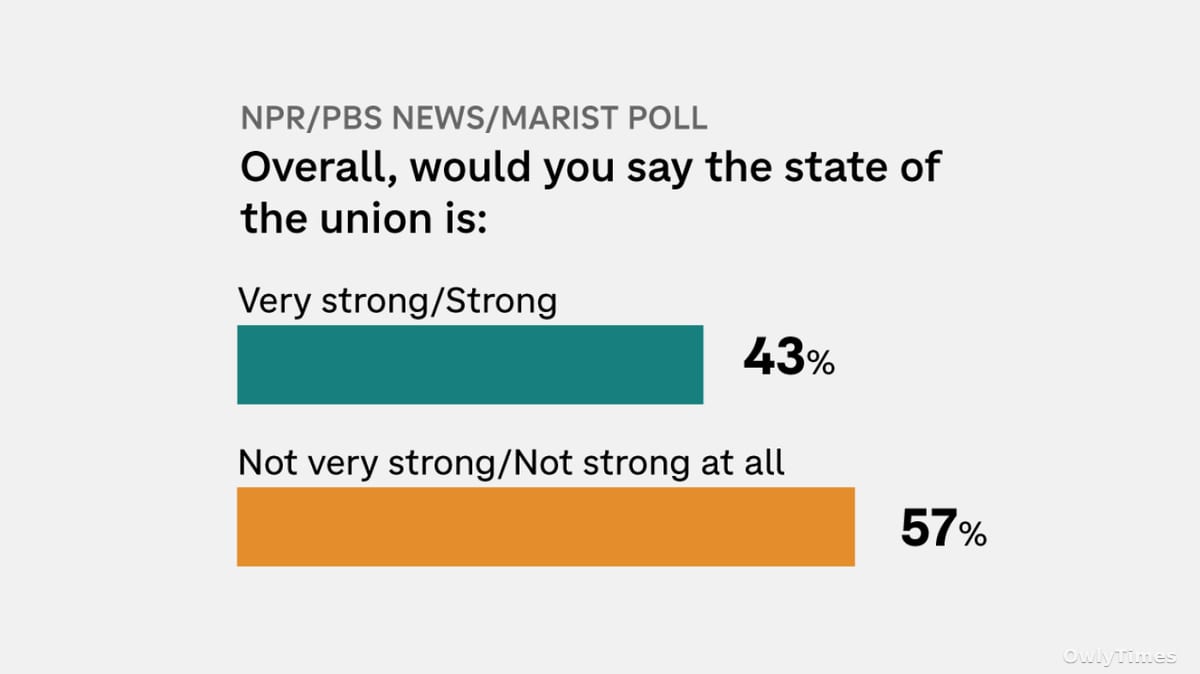
The timing of President Trump’s first State of the Union address of his second term isn’t a coincidence. It arrives not as a moment to celebrate national strength, but to strategically address a rapidly souring public mood – and a Supreme Court defeat that curtailed his unilateral trade powers. The recent NPR/PBS News/Marist poll reveals a nation largely believing the country is on the wrong track, with 60% stating the U.S. is worse off than a year ago. This isn’t simply a reflection of typical midterm fatigue; it’s a calculated risk for the President to attempt a “reset” despite deeply entrenched negative perceptions, a strategy underscored by Lee Miringoff of the Marist University Institute for Public Opinion’s observation that Trump’s “check list” for the address is “exceptionally large.” The address isn’t about converting opponents, but solidifying the base while attempting to subtly shift the narrative among a dwindling pool of persuadable voters.
The Widening Gulf: Who Benefits and Who Loses from Current Perceptions
The poll’s most striking feature is the stark divergence in perception along partisan lines. While 8 in 10 Republicans believe the country is better off, nearly 9 in 10 Democrats disagree vehemently. This isn’t a new phenomenon, but the intensity of the split is growing. Independents, traditionally the swing vote, are leaning heavily towards the negative assessment, with two-thirds expressing dissatisfaction. This dynamic creates a clear “who benefits, who loses” scenario. President Trump benefits from a fiercely loyal base that remains largely immune to negative press or economic headwinds. Democrats benefit from a narrative of national decline they can exploit in upcoming elections. Independents, however, are the clear losers, caught between polarized extremes and increasingly disillusioned with the political process. The 53% who report Trump’s policies have negatively impacted them personally are a critical demographic, and their discontent is a key vulnerability for the administration.
Drawn from NPR.
Echoes of Nixon: Presidential Addresses in Times of Crisis
The current situation bears a striking resemblance to the early 1970s, during Richard Nixon’s second term. Like Trump, Nixon faced a deeply divided nation, economic anxieties, and a growing sense of institutional distrust. Nixon also attempted to use the State of the Union address as a platform to project strength and outline ambitious goals, despite mounting domestic challenges and the escalating Vietnam War. However, Nixon’s attempts at reassurance were ultimately undermined by the unfolding Watergate scandal and a public increasingly skeptical of his administration’s claims. While the circumstances are different, the underlying dynamic is similar: a president attempting to project control in the face of eroding public trust and a perception of national decline. The key difference, and a potential advantage for Trump, is the absence of a single, defining scandal – though the sheer volume of controversies surrounding his administration creates a constant background hum of distrust.
The Erosion of Institutional Faith and the Threat to Democracy
Beyond the immediate assessment of the “state of the union,” the poll reveals a deeper, more troubling trend: a widespread belief that American democracy itself is under threat. A staggering 78% of respondents see a “serious threat to the future of American democracy,” a sentiment shared across party lines, albeit for different reasons. This isn’t simply partisan rhetoric; it reflects a genuine anxiety about the health of American institutions. The perception that the system of checks and balances is “not working well” has jumped 12 points in the past year, driven by increasing dissatisfaction among independents and, surprisingly, Republicans. This erosion of faith in core democratic principles is perhaps the most alarming finding of the poll, and it suggests a deeper crisis of legitimacy that extends beyond any single political figure or policy. The fact that even 61% of Republicans acknowledge a threat to democracy signals a fracturing within the party itself, a recognition that the current political climate is unsustainable.
The Next Chess Move: Will Trump Target the Judiciary?
The Supreme Court’s recent ruling against President Trump’s use of emergency powers to impose tariffs is a critical inflection point. It not only represents a legal setback but also a direct challenge to his authority. The address will likely attempt to frame this as an example of judicial overreach, appealing to his base’s anti-establishment sentiment. However, the more significant political chess move to watch isn’t what Trump says in the address, but what he does in the coming weeks. Will he escalate his rhetoric against the judiciary, potentially laying the groundwork for further attempts to limit the Court’s power? Or will he attempt to pivot, focusing on areas where he can claim bipartisan success, such as infrastructure or trade negotiations? The answer to that question will reveal the true extent of his strategic calculation and his willingness to further polarize an already fractured nation.





