
The Performance of Strength: Trump’s State of the Union as Midterm Messaging
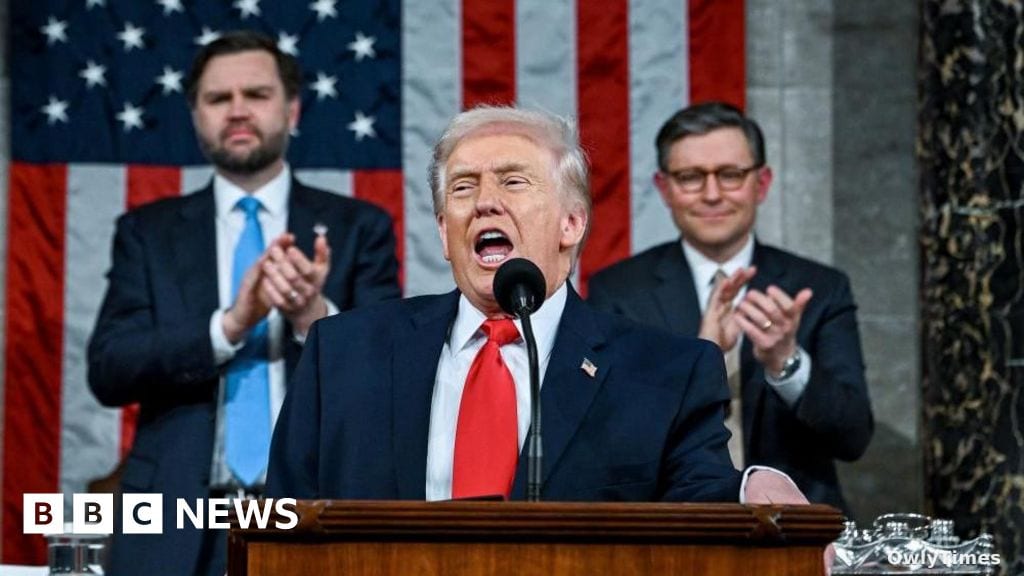
Donald Trump’s 107-minute State of the Union address wasn’t a policy unveiling; it was a strategic re-assertion of narrative control, meticulously calibrated for the approaching midterm elections. The length itself – a record for the address – wasn’t an oversight, but a deliberate tactic. It maximized airtime for a message aimed not at persuading the uncommitted, but at galvanizing his base and defining the terms of engagement for the coming months. The core calculus is simple: with approval ratings hovering around 40 percent, Trump isn’t attempting a broad conversion, but a focused mobilization.
The speech’s structure revealed this intent. The parade of carefully selected guests – Olympic athletes, military heroes, a 100-year-old World War II veteran, and a Coast Guard swimmer awarded the Congressional Medal of Honor – functioned as visual shorthand for Trump’s central theme: American strength and accomplishment. These moments, while emotionally resonant, weren’t organic interludes; they were carefully staged props in a larger performance designed to project an image of national resurgence. The chanting of “USA!” by Republicans, even with some Democratic participation, underscored the intended effect – a display of patriotic unity, albeit one heavily skewed towards Trump’s political objectives. Who benefits? Primarily, the Republican party, seeking to maintain or expand its congressional majorities. Who loses? Democrats, positioned as obstructionists to this narrative of American success.
Based on the original the BBC report.
The economic claims – rising incomes, a growing stock market, lower gas prices, and tamed inflation – were familiar refrains from Trump’s previous national address last month. The fact that these claims haven’t demonstrably shifted public opinion highlights a critical disconnect. The administration appears to be betting on repetition, hoping a larger State of the Union audience will yield different results. This echoes a pattern seen throughout modern presidential history – the reliance on televised addresses to bypass traditional media filters and speak directly to the electorate. Franklin D. Roosevelt’s “fireside chats” during the Great Depression represent a historical precedent, though Roosevelt’s aim was to reassure a nation in crisis, while Trump’s is to energize a politically polarized one. The difference in context is crucial.
However, the address wasn’t solely about positive messaging. The pointed attacks on Democrats regarding “affordability” and the border situation were deliberate wedges, designed to highlight perceived weaknesses and exploit existing divisions. The tariff discussion, despite prompting “murmurs from Democrats and uncomfortable silences from Republicans,” served to signal Trump’s unwavering commitment to his protectionist policies, even in the face of a recent Supreme Court setback. The icy exchange with Chief Justice John Roberts, who authored the court’s opinion against the tariffs, was a subtle but significant display of defiance. This is a calculated risk. While tariffs are unpopular with many in his own party, Trump is signaling to his base that he is willing to fight for his agenda, regardless of institutional pushback. The immigration rhetoric, despite the recent controversy surrounding enforcement actions in Minneapolis and the resulting fatalities, was similarly aggressive, attempting to reclaim a traditionally strong issue for the president.
The omission of any mention of the Minneapolis shootings – or even a concession to a “softer approach” to enforcement – is a telling detail. It reveals a willingness to double down on a divisive strategy, prioritizing political advantage over addressing legitimate concerns about the use of force. This mirrors a pattern observed during the Richard Nixon administration, where the pursuit of political objectives often overshadowed ethical considerations. The focus on crimes committed by undocumented migrants, while intended to reinforce the narrative of a border crisis, risks further alienating moderate voters and fueling accusations of xenophobia. The lack of substantial new policy proposals further reinforces the impression that this address was primarily a rhetorical exercise, a performance of strength rather than a blueprint for action.
The political chess move to watch next isn’t a legislative initiative, but the reaction within the Republican party to Trump’s uncompromising stance on tariffs and immigration. Will moderate Republicans publicly distance themselves from these positions, potentially fracturing the party’s unity? Or will they fall in line, accepting the risk of electoral backlash in exchange for maintaining Trump’s support? The answer to that question will determine whether Trump’s State of the Union address was a successful midterm strategy, or a self-inflicted wound.