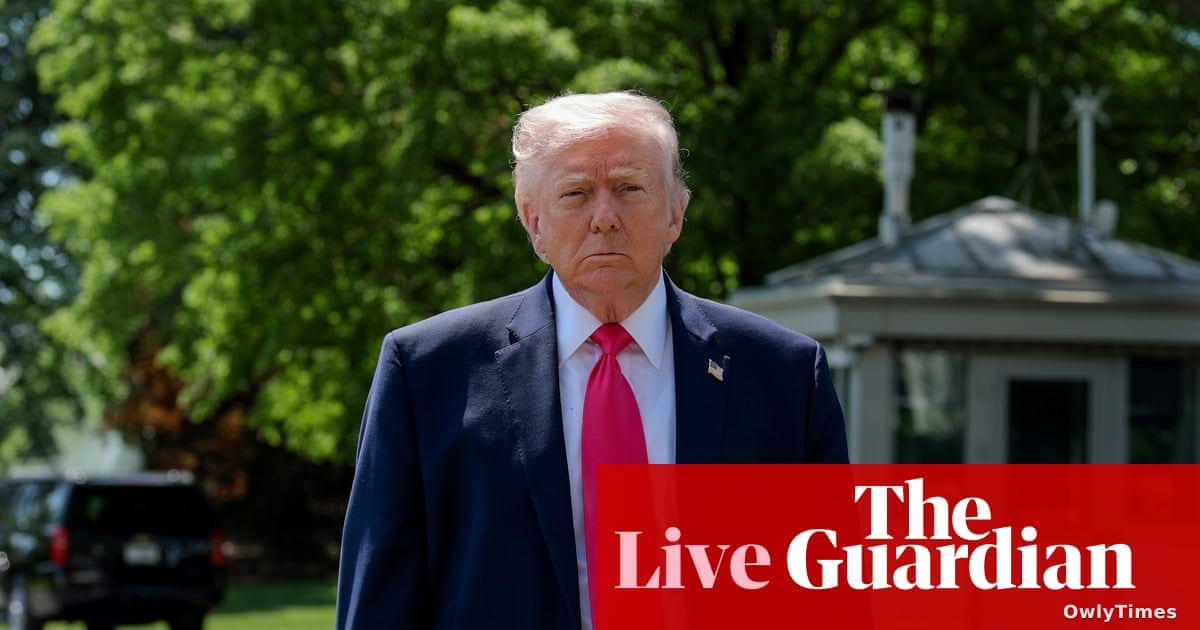

30 percent of Americans now approve of how the president is managing the economy, a sharp decline from the 38 percent recorded in March. This erosion of public confidence, captured in the latest data from the Associated Press-NORC Center for Public Affairs Research, highlights a growing disconnect between the administration’s stated goals and the reality of the American consumer’s experience.
Follow the money and the geopolitical friction points, and the cause-and-effect chain becomes clear. The survey, conducted between 16 April and 20 April, coincides with heightened instability in the Strait of Hormuz. As the Iran war drives commodity prices higher, the administration’s rhetoric regarding cost-of-living improvements has failed to materialize in the public’s perception. With only 25 percent of respondents approving of his handling of the cost of living, the president’s repeated boasts about lowering prices appear to be losing their efficacy as a political tool.
This downward trend is confirmed by a secondary data point: a six-day Reuters/Ipsos poll released today, which places the president’s overall job approval rating at 36 percent—the lowest point of his current term. The volatility in the Middle East, specifically the temporary closure and reopening of the Strait of Hormuz, has placed a persistent premium on energy costs, fueling the inflationary pressures that weigh heavily on the average household budget.
The political fallout is not limited to the executive branch. In the Senate, the budget committee has released a plan for a $70 billion reconciliation bill to fund Immigration and Customs Enforcement (ICE) and the border patrol. This legislative maneuver, intended to bypass stalled appropriations negotiations during a record-breaking 10th week of a partial government shutdown, signals that the administration is doubling down on border security as a primary fiscal priority. By opting for a reconciliation bill, which requires only a simple majority, the GOP leadership is attempting to force a resolution to the funding deadlock by 1 June.
Meanwhile, the uncertainty surrounding the Federal Reserve—the institution tasked with tempering the very inflation now impacting the president's approval—remains unresolved. During his confirmation hearing, Federal Reserve chair nominee Kevin Warsh faced intense scrutiny over his willingness to resist executive pressure. When pressed by Senator Elizabeth Warren on whether he would maintain independence if the administration demanded rate cuts, Warsh insisted he would not predetermine interest rate decisions. However, his refusal to state that the 2020 election results were factual, coupled with his avoidance of questions regarding over $100 million in personal assets, has left investors with few signals on how the central bank will navigate the dual threats of geopolitical inflation and political interference.
For the American investor and consumer, these events signal a period of high sensitivity. The primary metric to watch in the coming weeks will be the next iteration of inflation data and its intersection with the administration’s ability to pass the $70 billion border funding package. Whether the president’s stated goal of a "great deal" in Iran negotiations will materialize—or if the economic pressure of the ongoing blockade will continue to suppress approval ratings—remains the central question for the domestic market. Until the administration can align its policy outcomes with the cooling of the cost-of-living crisis, the current downward trend in economic approval is likely to dictate the legislative and fiscal environment.




