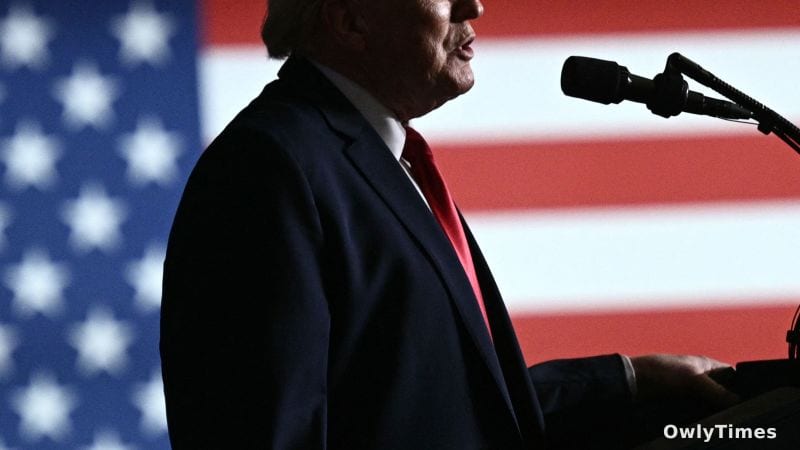

The Calculus of Defiance: Trump’s State of the Union as a Midterm Lifeline
The State of the Union address isn’t merely a recitation of the past year; it’s a strategic maneuver. For Donald Trump as he addressed Congress on Tuesday, the speech represented a high-stakes attempt to reassert control of the narrative ahead of a midterm election cycle historically unfavorable to the incumbent party. The address wasn’t about convincing the already convinced, but about shifting the terms of debate and attempting to inoculate Republican candidates against anticipated losses. This wasn’t a moment for policy detail, but for broad strokes designed to resonate with a base and, crucially, to peel off enough undecided voters to defy historical precedent.
The core challenge for Trump, as acknowledged even by his own advisors, is the economy. A CNN poll conducted prior to the speech revealed that 57% of Americans identified the economy and cost of living as the most important issue for the President to address. This focus, however, presents a tension. While Trump frequently touts economic strength, a significant portion of the electorate doesn’t feel that strength, creating a vulnerability he attempted to address with promises of lowering prescription drug prices and further tax cuts. The strategic calculation here is clear: claim credit for existing conditions while offering symbolic gestures to alleviate anxieties, even if those gestures lack concrete details – like the previously announced, but never timed, $2,000 rebate checks.
The timing of the address, just four days after a Supreme Court ruling against his unilateral tariff policies, adds another layer of complexity. The Court’s decision struck at the heart of Trump’s trade strategy, a cornerstone of his “America First” agenda and a key source of leverage in international negotiations. The blowback was immediate and visible, with Trump publicly railing against the justices, including his own appointees, Neil Gorsuch and Amy Coney Barrett. This outburst, and the potential for a repeat performance should the justices attend the address, highlights a pattern: Trump’s willingness to directly challenge established institutions when they impede his agenda. The announced intention to implement a 15% global tariff using untested authority is a direct response, a demonstration of defiance designed to signal continued resolve, even in the face of legal setbacks. Who benefits from this show of strength? Primarily, Trump’s base, who respond positively to displays of combative leadership. Who loses? Potentially, American consumers and businesses facing increased costs, and international partners seeking stability.
This piece references the CNN report.
This dynamic echoes historical precedents. Consider Lyndon B. Johnson’s 1968 State of the Union, delivered amidst escalating opposition to the Vietnam War. Like Trump, Johnson attempted to pivot to domestic issues, emphasizing his “Great Society” programs, but the shadow of the war – and the growing public discontent – overshadowed his efforts. Both presidents faced a disconnect between their preferred narratives and the realities perceived by a significant portion of the electorate. The difference, of course, is the nature of the crisis. Johnson faced a deeply divisive war; Trump faces a more diffuse, but equally potent, economic anxiety.
The situation in Iran presents a further complication. While the administration downplayed foreign policy in the speech, prioritizing domestic concerns – reflected in the low 2% of poll respondents wanting to hear about it – the escalating tensions in the Middle East loom large. Trump’s past boasts about eliminating Iran’s nuclear facilities, coupled with suggestions of further strikes, raise questions about the justification for potential military action and the constitutional authority to undertake it. The lack of Congressional buy-in is a significant point of contention, mirroring historical debates over presidential war powers. The strategic risk is clear: a miscalculation in Iran could derail the entire midterm strategy, overshadowing any domestic gains.
Finally, the Democratic response, delivered by Virginia Governor Abigail Spanberger, is a critical component of the evening’s political calculus. Spanberger’s focus on protecting American democracy and addressing economic anxieties is a direct counterpoint to Trump’s message. However, the history of the official response is fraught with peril, often resulting in obscurity or even ridicule. The fact that some Democrats are choosing to boycott the speech altogether, opting for counter-rallies instead, underscores the deep partisan divide and the limited potential for genuine dialogue. The question now is not whether Spanberger’s speech will resonate, but whether the Democratic party can effectively translate its opposition into a cohesive and compelling message that can counter Trump’s narrative and capitalize on the vulnerabilities he exposed. The next political chess move to watch is not in the House Chamber, but in the battleground states, where the real fight for the midterms will be waged – and where the effectiveness of Trump’s State of the Union gambit will ultimately be determined.





