
The Calculated Risk of Declaring Victory
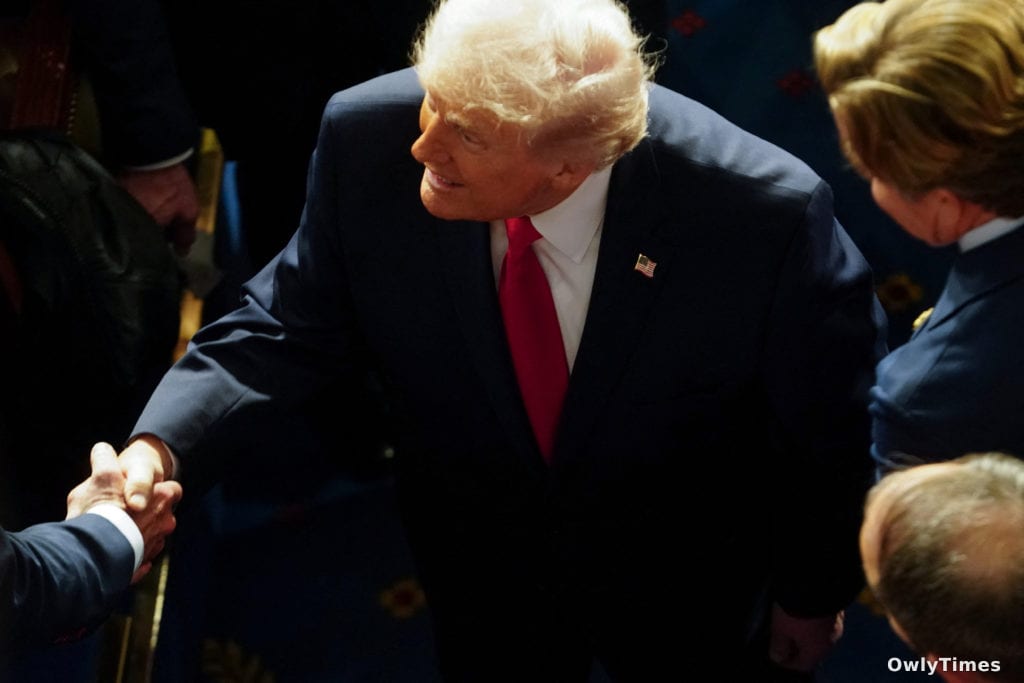
President Donald Trump’s 2026 State of the Union wasn’t a policy announcement; it was a strategic repositioning. The address, clocking in at 108 minutes, wasn’t designed to persuade the already convinced, but to establish a narrative of success – economic renaissance and a secure America – in the face of eroding public confidence and a volatile geopolitical landscape. This isn’t about convincing voters Trump is delivering, but about forcing them to consider the possibility that he has delivered, a subtle but crucial distinction as the midterm elections loom. The immediate deployment of Cabinet officials like Treasury Secretary Scott Bessent and Agriculture Secretary Brooke Rollins to reinforce these themes underscores the calculated nature of this effort: a full-court press to preemptively frame the debate.
The Latino Vote as a Lever for Broader Appeal
The choice of Texas as the first stop for post-State of the Union messaging is particularly revealing. Trump’s 2024 reelection hinged on a significant shift among Latino voters, a demographic historically aligned with the Democratic Party. This wasn’t a spontaneous occurrence, but the result of targeted outreach and a message resonating with economic anxieties and cultural concerns. Now, the White House intends to leverage this success as proof of concept – demonstrating an ability to broaden the Republican coalition beyond its traditional base. The risk, however, is that focusing on this demographic win distracts from the broader electorate’s discontent, particularly regarding persistent affordability issues. Trump’s claim in Rome, Georgia, that he’s “solved” affordability, despite ongoing price concerns, exemplifies this potential disconnect and highlights a pattern of prioritizing narrative control over nuanced policy discussion.
This piece references the PBS report.
Echoes of Reagan and the “Morning in America” Strategy
The emphasis on economic prosperity and national security isn’t novel. It’s a direct echo of Ronald Reagan’s successful “Morning in America” campaign of 1984, deployed during a period of economic recovery and relative international calm. However, the context differs significantly. Reagan benefited from a post-Cold War sense of optimism; Trump operates in a world fractured by geopolitical tensions, particularly the looming conflict in the Middle East. This presents a critical vulnerability. A major escalation abroad could instantly overshadow any domestic economic gains, rendering the State of the Union’s message irrelevant. The parallel to Reagan’s strategy is intentional, aiming to evoke a similar feeling of national renewal, but the underlying conditions are far more precarious.
Who Benefits and Who Loses from This Messaging Push?
The immediate beneficiaries are Trump and the Republican Party, seeking to maintain control of Congress. A successful narrative of economic success and national security strengthens their position with key voting blocs, particularly independents and moderate Republicans. Scott Bessent and Brooke Rollins, as visible advocates for the administration’s policies, stand to gain political capital. Conversely, Democrats stand to lose ground if the Republican message takes hold. More subtly, the American public loses if the focus shifts from addressing genuine economic challenges – like inflation and wage stagnation – to simply appearing to have solved them. The risk is a widening gap between perception and reality, fueling further disillusionment with the political process.
The Middle East as the Ultimate Test
The political chess move to watch isn’t a policy decision, but a reaction. The critical question is: how will the Trump administration manage the escalating tensions in the Middle East? A measured, diplomatic response will allow them to maintain control of the narrative and continue emphasizing domestic achievements. However, a forceful military intervention, while potentially appealing to his base, would immediately shift the focus away from the economy and onto foreign policy, potentially unraveling the carefully constructed message from the State of the Union. The next few weeks will reveal whether Trump can successfully navigate this geopolitical minefield or whether the looming conflict will dictate the terms of the midterm debate.