
The Illusion of Strength: Trump’s Rhetoric and the Shifting Power Landscape
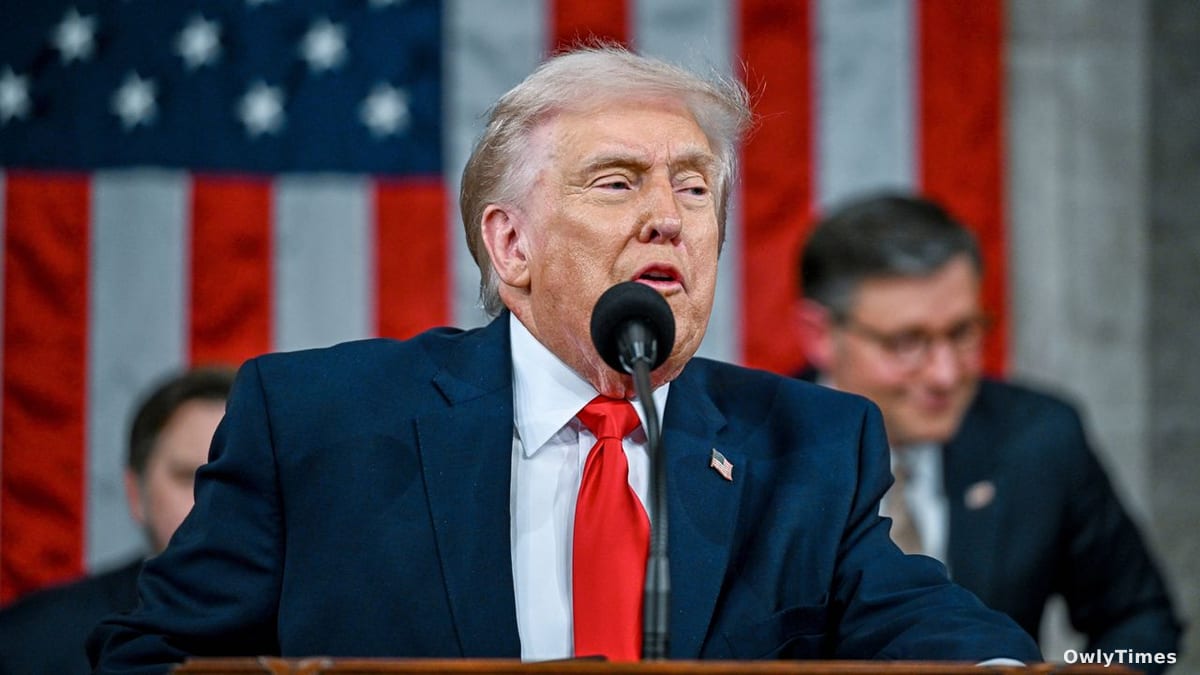
The strategic calculation behind Donald Trump’s State of the Union address wasn’t about presenting an accurate accounting of the nation’s condition; it was a preemptive land grab for the narrative of strength. By aggressively claiming a “turnaround for the ages,” despite demonstrable inaccuracies – like asserting he inherited a “stagnant economy” when U.S. GDP rose 2.8% in 2024, exceeding the 2.2% growth during his own term – Trump is attempting to define the terms of the 2026 election. This isn’t simply boasting; it’s a calculated effort to control the perception of economic momentum, a historically potent advantage for incumbents. The inflated claim of securing “more than $18 trillion” in investment commitments, demonstrably higher than realistic estimates, serves the same purpose: to project an image of economic dominance, even if built on shaky foundations. Who benefits from this manufactured reality? Primarily, Trump himself, by bolstering his image as a successful leader. Who loses? Voters deprived of an honest assessment of the nation’s challenges, and potentially, any opponent attempting to challenge his economic narrative.
Reporting from Spectrum News informs this analysis.
This tactic isn’t novel. Throughout history, leaders facing political headwinds have employed similar strategies of selective truth-telling and exaggerated claims. Consider Lyndon B. Johnson’s portrayal of progress during the Vietnam War, consistently downplaying the escalating costs and complexities while emphasizing limited gains. Or Ronald Reagan’s optimistic framing of supply-side economics, often glossing over the widening income inequality that accompanied it. The common thread is a desire to shape public perception, to create a reality that favors the incumbent’s political position. Trump’s approach, however, is particularly aggressive in its disregard for factual accuracy, relying heavily on outright misrepresentation. This raises a critical question: is the electorate becoming desensitized to demonstrable falsehoods, prioritizing emotional resonance over verifiable truth?
Pelosi’s Shadow Campaign and the Democratic Succession
While Donald Trump dominates the headlines with his pronouncements, a quieter, yet equally significant, power play is unfolding within the Democratic Party. The absence of Nancy Pelosi on the ballot this November – the first time in nearly 40 years – doesn’t signify her retirement from influence. Instead, it represents a strategic repositioning. Pelosi’s active fundraising and campaign trail appearances, framed as a defense of “our democracy,” reveal a deliberate effort to shape the party’s future, even from the sidelines. Her assertion that “they’ve all been patriots until now” is a pointed critique of Trump and his allies, framing the upcoming election not merely as a policy debate, but as an existential struggle for the nation’s democratic foundations. This is a classic move by a departing power broker: to anoint successors and ensure the continuation of their political legacy.
The beneficiaries here are the Democratic candidates Pelosi chooses to support, and the broader Democratic establishment seeking to maintain its influence. The potential losers are any progressive challengers attempting to disrupt the party’s established order. This dynamic echoes the post-Clinton era, where Bill and Hillary Clinton continued to wield considerable influence within the Democratic Party, shaping policy debates and fundraising efforts long after leaving the White House. The upcoming House Oversight Committee testimony regarding Jeffrey Epstein, involving both Bill and Hillary Clinton, adds another layer of complexity. While ostensibly a legal matter, the proceedings will inevitably become a political spectacle, potentially damaging to the Clinton’s reputation and, by extension, the Democratic brand.
The Surgeon General Confirmation and the Shifting Public Health Narrative
The Senate confirmation hearing of Dr. Casey Means as U.S. Surgeon General signals a potential shift in the nation’s approach to public health. While affirming the importance of vaccines, Dr. Means’ emphasis on addressing the “root causes of chronic disease” – specifically, access to affordable and healthy food – represents a departure from the traditionally reactive, symptom-focused model of healthcare. Her call for a “great national healing” that prioritizes preventative care and holistic wellness resonates with a growing public dissatisfaction with the current healthcare system. This isn’t simply a matter of policy preference; it’s a response to a demonstrable crisis. Chronic diseases are a leading cause of death and disability in the United States, and their prevalence is disproportionately high among marginalized communities.
The beneficiaries of this potential shift are individuals and communities burdened by chronic illness, and healthcare providers advocating for preventative care. The potential losers are pharmaceutical companies and other stakeholders who profit from treating symptoms rather than addressing underlying causes. This aligns with a broader trend of questioning established institutions and seeking alternative solutions, a phenomenon fueled by social media and a growing distrust of experts. The fact that Dr. Means is a “wellness influencer” herself – a term often viewed with skepticism by traditional medical professionals – underscores this shift.
Bipartisan Agreement on Stock Trading and the Illusion of Unity
The surprising bipartisan applause for Donald Trump’s call to ban congressional stock trading reveals a rare moment of unity in a deeply polarized political landscape. While the motivations may differ – for some, it’s about addressing genuine concerns about insider trading and corruption; for others, it’s about appearing responsive to public outrage – the outcome is the same: increased pressure on Congress to act. This isn’t simply a matter of ethics; it’s about restoring public trust in government. Numerous pieces of legislation addressing this issue already exist, suggesting a genuine desire for reform. However, the history of campaign finance reform is littered with promises unfulfilled.
The beneficiaries of a ban on congressional stock trading would be the public, who would benefit from a more level playing field and a government less susceptible to conflicts of interest. The potential losers are members of Congress who have personally profited from their access to insider information. The fact that Elizabeth Warren, a vocal advocate for progressive policies, was seen applauding alongside Trump highlights the broad appeal of this issue. However, the ultimate test will be whether this bipartisan moment translates into concrete legislative action, or whether it fades away like so many other promises of reform.
The political chess move to watch next isn’t a grand strategy announcement, but a seemingly procedural vote: will the House Oversight Committee, now poised to delve into the Clinton’s past, prioritize a thorough investigation or succumb to partisan pressures? The outcome will reveal whether the committee is genuinely committed to accountability, or simply serving as a vehicle for political retribution. This seemingly contained investigation could have ripple effects, shaping the narrative of the 2026 election and potentially influencing the future of both parties.