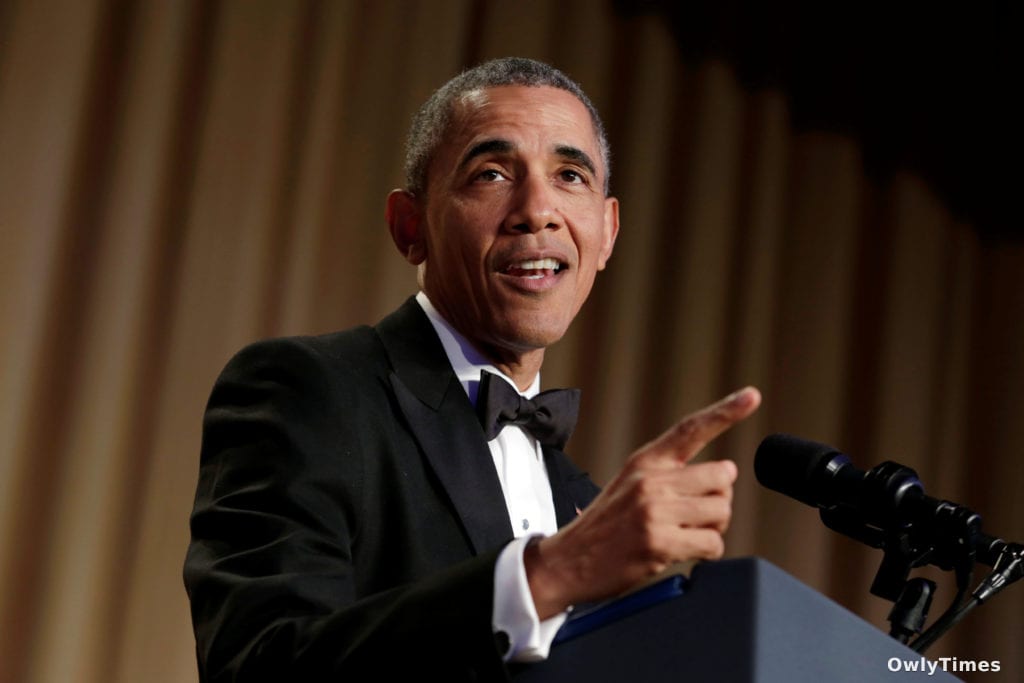

The decision for a sitting president to step into the glare of the White House Correspondents' Dinner is rarely about the meal; it is a calculated exercise in image management and the navigation of institutional friction. When Donald Trump prepares to attend this Washington tradition for the first time as president, he is stepping into a spotlight that serves as a unique pressure test for executive temperament. The strategic calculus here is clear: by participating in a forum historically designed to blend political power with satirical critique, an administration attempts to signal accessibility while simultaneously attempting to dominate the narrative within a room full of its most persistent interlocutors.
The Evolution of Presidential Performance
The modern form of this event—a red carpet spectacle featuring the capital’s journalism elite, political staffers, business leaders, and celebrities—has become a hallmark of the political calendar. Since its inception a few years after World War I, the dinner has undergone multiple iterations, shifting from an industry gathering to a high-stakes cultural performance. The presence of the leader of the free world alongside a comedian offering roasts creates a volatile mix where the boundary between statesman and target is intentionally blurred.
For the presidency, the benefits and costs are sharply defined. A successful appearance can humanize an administration, leveraging the charisma often required to reach the Oval Office. Conversely, a misstep provides a viral moment that can define a news cycle for weeks. The primary losers in this dynamic are often the carefully constructed political personas that struggle to withstand the heat of public, unscripted ridicule.
Historical Precedents of Comedic Engagement
The integration of professional satire into this event finds its strongest roots in the presidency of Ronald Reagan. As a former Hollywood actor, Reagan possessed the magnetic stage presence necessary to navigate these waters with an easy manner that remains a high-water mark for political humor. It was during his tenure that comedians became an annual staple of the proceedings, cementing the expectation that the president would not only attend but engage directly with the critique.
In 1983, the satirist Mark Russell, then a staple on PBS, provided a window into the dynamic of that era. During his routine, Russell offered relatively tame jabs at the president, famously opening with, "There is another speaker following me, and so it is quite an honor for me to be doing the warmup for my chief writer here." This moment highlights a time when the tension between the press and the executive branch, while present, operated under a different set of social contracts. Reagan’s willingness to let the comedian set the stage—and occasionally his choice to forgo a rebuttal—demonstrated a specific brand of political confidence that favored the optics of being a good sport over the urge to settle scores.
The Calculus of the Roast
While some years are relegated to C-SPAN archives, others produce enduring viral moments that resonate far beyond the dinner itself. For the current administration, the stakes are magnified by the digital landscape where such moments are now amplified. The political chess move to watch as this event unfolds is the specific nature of the president’s interaction with the designated comedian; whether the administration chooses to lean into the satire or maintain a rigid posture will serve as a measurable signal of how this White House intends to manage its relationship with the press corps throughout the remainder of its term.





