
The Weight of Expectation: UCLA’s Cholowsky and the Shifting Landscape of College Baseball
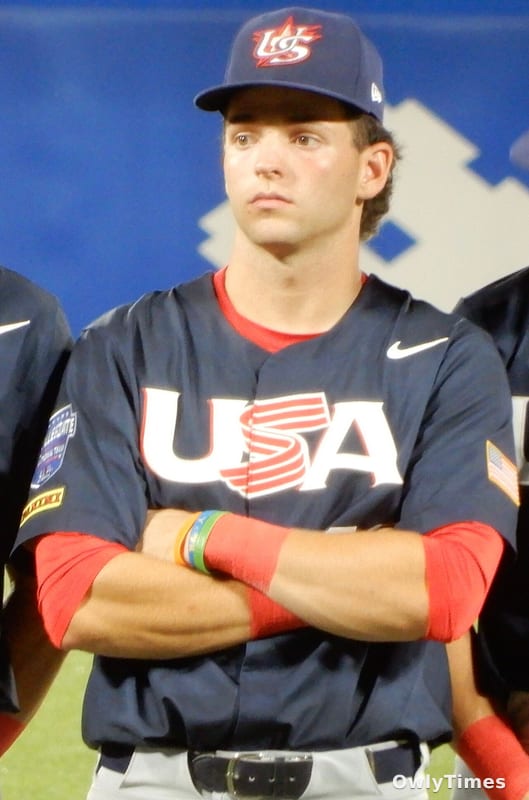
The pressure is palpable even before the first pitch. Roch Cholowsky, the UCLA shortstop, isn’t just entering his final collegiate season; he’s carrying the weight of being named USA TODAY Network’s Preseason Player of the Year and widely projected as the potential No. 1 pick in the 2026 MLB draft. This isn’t simply a story about individual accolades, however. It’s a signal of a broader trend: the increasing spotlight on college baseball and the accelerated development – and subsequent scrutiny – of its top prospects. Cholowsky’s success, and the expectations surrounding it, reflect a system increasingly geared towards identifying and showcasing future professional stars. The question isn’t if he’ll be drafted high, but how he’ll handle the relentless attention and whether he can lead UCLA back to the College World Series for a second consecutive year.
Original reporting: USA Today.
Background & Context: A Rising Tide for College Baseball
The elevation of college baseball’s profile is a relatively recent phenomenon. For decades, high school players often bypassed college altogether, opting for immediate professional contracts. However, a confluence of factors – including changes to MLB’s draft system, increased emphasis on player development, and the rising cost of professional training – has led to a surge in players choosing the college route. This shift has, in turn, fueled investment in college programs, leading to improved facilities, coaching, and competition. LSU’s recent triumph, earning them their eighth national title and securing Jay Johnson the Preseason Coach of the Year honors, exemplifies this upward trajectory. Johnson’s success isn’t isolated; it’s part of a larger narrative of increasingly competitive and professionally-minded college baseball programs. The 2025 College World Series, which saw LSU, Louisville, and Coastal Carolina reach the final stages, demonstrated the depth of talent now concentrated within the collegiate ranks. This contrasts sharply with earlier eras where the path to the majors was often more direct from high school or international leagues.
SEC Dominance and Emerging Trends in Player Selection
The USA TODAY Network’s Preseason All-American Team reveals some telling patterns. The SEC leads the way with four selections, highlighting the conference’s current dominance in college baseball talent. The ACC and Big 12 follow with three and two picks respectively, demonstrating a concentration of elite players within these Power Five conferences. What’s often overlooked is the diversity of player profiles represented. From C Vahn Lackey of Georgia Tech, a uniquely athletic catcher who led Division I catchers in stolen bases (18), to Ace Reese of Mississippi State, a power hitter with 21 home runs in 2025, the team showcases a blend of skills. The inclusion of Evan Dempsey of Florida Gulf Coast, recognized as both a pitcher and an outfielder, speaks to the increasing value placed on versatile players. This trend reflects a broader shift in MLB towards valuing players who can contribute in multiple positions. The selection of freshman Jack Bauer as Preseason Freshman of the Year also underscores the growing importance of identifying and developing young talent early in their collegiate careers.
What This Means: Implications for Players, Programs, and the Future of the Game
The heightened attention on college baseball has significant implications. For players like Cholowsky, it means navigating intense media scrutiny and managing expectations that could make or break their draft stock. For programs, it translates into increased pressure to recruit and develop top talent, and the potential for significant financial rewards through successful postseason runs and high draft picks. The SEC’s dominance, for example, will likely further solidify its recruiting advantage, attracting even more elite players to its programs. For MLB, this trend represents a valuable pipeline of talent, but also a potential challenge in managing the expectations and development of players who have already been heavily scouted and analyzed. The emphasis on statistics – like Lackey’s .347 batting average and Ballinger’s impressive .495 on-base percentage – highlights the increasing reliance on data analytics in player evaluation, a trend that is reshaping the game at all levels. This also creates a tension: are players being developed to maximize their college performance, or to optimize their long-term potential as professional players?
Looking Ahead: The Road to Omaha and Beyond
As the 2026 MLB draft approaches, all eyes will be on Cholowsky. His performance throughout the season will be meticulously analyzed, and any dip in production could significantly impact his draft position. Beyond Cholowsky, the success of LSU under Jay Johnson will be a key storyline to watch. Can the Tigers replicate their 2025 championship run, or will another program emerge as the dominant force in college baseball? The development of freshmen like Bauer will also be crucial, as these young players represent the future of the game. A potential scenario to watch for is a continued increase in the number of players choosing to remain in college for three or more years, leveraging the improved development opportunities and the potential to increase their draft value. Ultimately, the 2026 season promises to be a pivotal one for college baseball, shaping not only the careers of individual players but also the future trajectory of the sport itself.