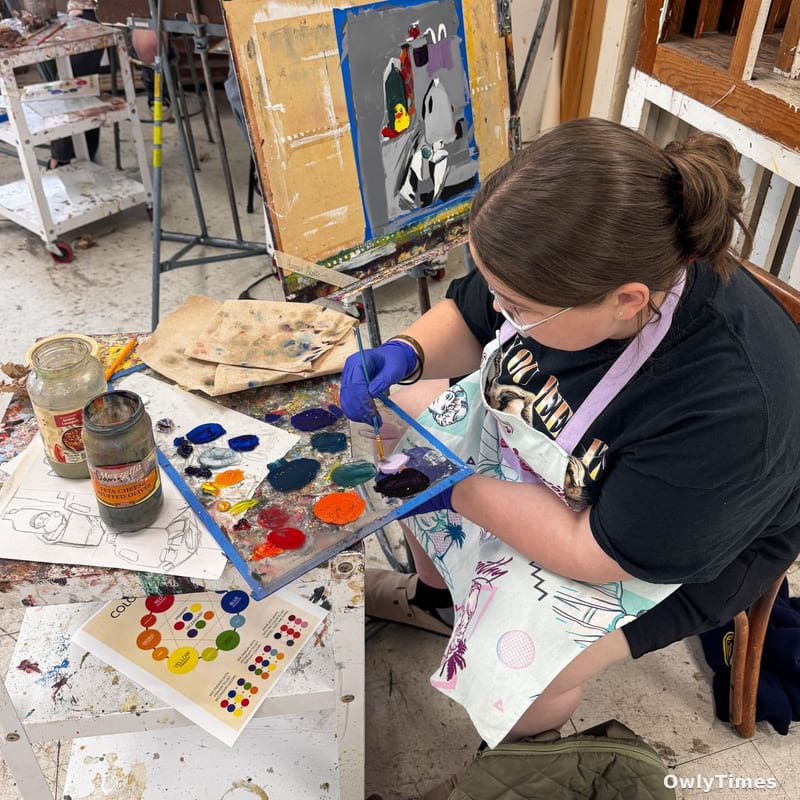

The chipped ceramic mug warmed my hands as I scrolled through endless summer camp brochures – coding camps, sports camps, wilderness survival. Each one felt…predictable. Then I saw it: the University of Central Missouri’s Summer Arts Camps, a weeklong immersion in everything from improv to organ. It wasn’t the novelty of the piano and organ institute that caught my attention, though. It was the quiet desperation this program speaks to – a cultural moment where arts education is increasingly relegated to an “extra,” a luxury, instead of a fundamental part of a well-rounded upbringing.
A Counter-Current to Curriculum Cuts
The numbers tell a stark story. Nationally, funding for arts programs in public schools has been steadily declining for decades, with a particularly sharp drop following the 2008 recession. A 2019 report by the National Art Education Association found that nearly four million students lack access to any arts education in their schools. Missouri isn’t immune; budget constraints across the state have led to cuts in music, theater, and visual arts programs, particularly in rural districts. University of Central Missouri’s (UCM) camps, running June 7–12, aren’t just offering a fun summer activity; they’re stepping into a void created by systemic disinvestment. These camps, designed for students completing grades 7-12 during the 2025-26 school year, provide a crucial outlet for creative expression at a time when many students have limited opportunities.
This piece references the excelsiorcitizen.com report.
The program’s structure – four tracks encompassing music, theater/dance, art, and piano/organ – is deliberately broad. Students choose a primary focus, but the option to “mix in classes” from other areas is key. This isn’t about creating specialists; it’s about fostering exploration. As camp director Mia Kim, Ph.D., explained in a phone call, the goal is to “give kids a chance to try something new, build skills, and meet other students from across the region.” It’s a sentiment that resonates deeply with parents increasingly concerned about the narrowing focus of education. The course list, expected to be finalized in March, promises everything from songwriting to comic design, suggesting a commitment to diverse artistic disciplines.
Beyond the Recital: The Social-Emotional Impact
It’s easy to dismiss arts camps as simply childcare for the summer months. But to do so would be to miss the deeper significance. The benefits of arts education extend far beyond the ability to play an instrument or paint a picture. Research consistently demonstrates a strong correlation between arts participation and improved academic performance, critical thinking skills, and emotional intelligence. A 2022 study by the Brookings Institution found that students with high arts involvement are more likely to graduate from college and secure employment. These aren’t just “soft skills”; they’re essential for navigating a rapidly changing job market.
The UCM camps also address a growing concern about social isolation among young people. The opportunity to live in campus dorms (for those who choose) and collaborate with peers from across the region fosters a sense of community and belonging. This is particularly important in a post-pandemic world where many students have experienced disruptions to their social lives. The culminating performances and art gallery show aren’t just showcases of talent; they’re celebrations of shared experience and collective achievement. The fact that these events are open to the public underscores the importance of connecting young artists with their community.
A Dorm Room and a Deadline: Logistics and Demand
Registration is currently open and closes May 16th, or sooner if the camps fill up. That early closure date isn’t a marketing tactic; it’s a realistic assessment of demand. UCM’s performing and visual arts spaces – the Highlander Theatre, dance studio, and art studios – are finite. The availability of supervised campus housing adds another layer of logistical complexity. While the university hasn’t released specific enrollment numbers from previous years, anecdotal evidence suggests that the camps have consistently grown in popularity. This year, with heightened awareness of the arts education crisis, demand is expected to be particularly high.
The cost of the camp, while not explicitly stated in the initial announcement, is a crucial factor. Access to these opportunities shouldn’t be limited to families who can afford expensive private lessons or specialized programs. UCM’s commitment to providing a high-quality arts experience at a reasonable price point is commendable. It’s a model that other universities and community organizations should consider emulating. Kim can be reached at 660-543-8900 or [email protected] with questions.
This isn’t just about a summer camp in Warrensburg, Missouri. It’s a microcosm of a larger cultural struggle. Will we continue to prioritize standardized testing and STEM fields at the expense of creativity and artistic expression? Or will we recognize the vital role that the arts play in shaping well-rounded, engaged, and innovative citizens? As registration for these camps closes, and the final course list is revealed, keep an eye on whether UCM’s model sparks a wider movement – a renewed commitment to arts education that extends beyond the summer months and reaches every student, regardless of zip code.