
Beyond Polar Bears: Why a Nebraska Museum is Centering Climate Change Education for Children
The narrative around climate change often feels distant – melting glaciers, threatened polar bears, abstract future scenarios. But a recent “Investigate Saturday Science Lab” at the University of Nebraska State Museum in Morrill Hall, focused entirely on climate change, signals a crucial shift: bringing the conversation down to earth, literally, and centering it on local impact and agency, even for the youngest learners. This isn’t simply about informing children about a problem; it’s about equipping them with the foundational scientific understanding to navigate a world already demonstrably altered by climate shifts, and to participate in solutions. The event, held monthly, isn’t a new initiative, but the explicit focus on climate change this month reflects a growing recognition that even basic science education must now incorporate this central, defining challenge of our time.
This piece references the 1011now.com report.
The museum’s approach, as described by education supervisor Jason Nord, isn’t to present climate change as a novel crisis, but as a continuous process woven throughout Earth’s history. “It’s something that really interlaces all of the science that we look at when we’re here in the museum because we’ve have climate change throughout the years, we’re having climate change right now and we need to be thinking about the ways that can impact ourselves and our ecosystems and the other creatures we share our planet with,” Nord explained to KOLN. This framing is vital. Headlines often portray climate change as an impending disaster, fostering anxiety and helplessness. By demonstrating that climate has always changed – through fossil records like the museum’s famed mammoth skeleton, “Archie” – the lab subtly introduces the concept of natural climate variability, while simultaneously emphasizing that this change, the one happening now, is different. It’s different in its speed, and critically, in its known cause: human activity.
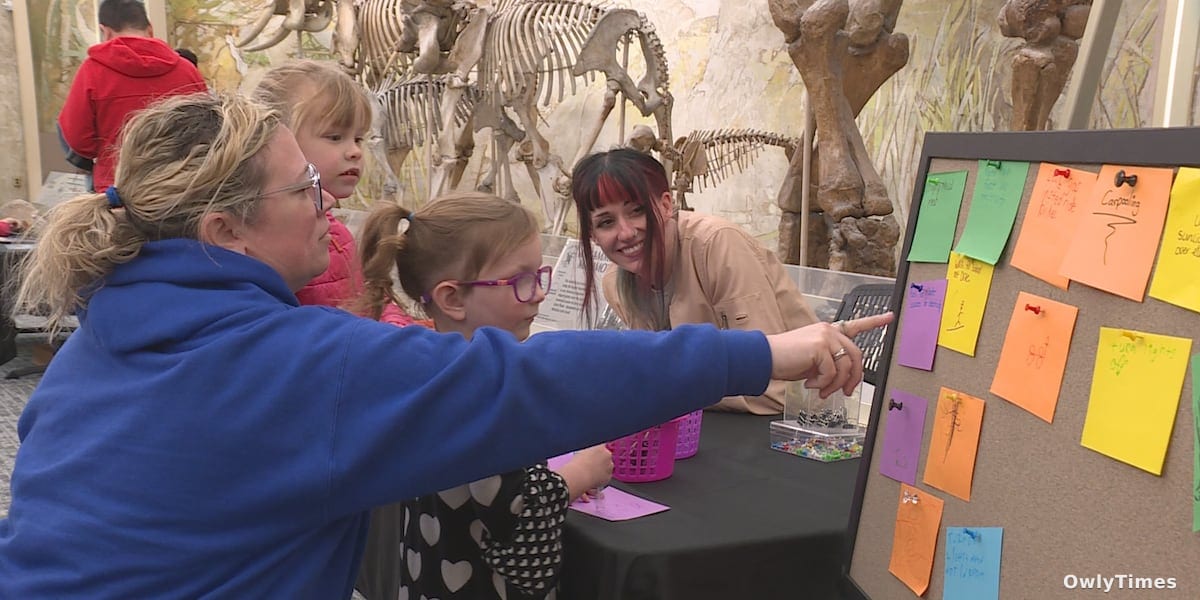
The lab’s curriculum wasn’t focused on complex climate models or policy debates. Instead, children explored the Earth’s atmosphere through hands-on activities and learned about reducing greenhouse gases. This is a deliberate pedagogical choice. While understanding the intricacies of climate science is important, fostering a sense of personal responsibility and efficacy is paramount, particularly with younger audiences. The goal, as Nord articulated, is to spark those “lightbulb moments” – when a child connects a concept to the world around them, or realizes their own potential to make a difference. He described the power of seeing children connect with the museum’s fossils, recognizing that “it is still our world… but it is a very different world than it was ten thousand years ago or a million years ago.” This isn’t about instilling fear, but about cultivating a sense of stewardship.
The Fossil Record as a Climate Baseline
The inclusion of fossils, particularly “Archie the Mammoth,” is a particularly insightful element of the lab. Paleontological records provide a tangible baseline for understanding past climates. Examining the environments in which these creatures thrived – and ultimately, why they didn’t – offers a powerful, non-abstract illustration of climate’s impact on ecosystems. While the lab didn’t explicitly detail the extinction of mammoths, the presence of such a massive, iconic creature serves as a potent reminder of the profound consequences of environmental shifts. This approach sidesteps the common pitfall of presenting climate change solely as a future threat; it demonstrates that climate change has already reshaped life on Earth, and continues to do so. The museum is leveraging its existing collection, not creating a new exhibit, which speaks to the adaptability of existing institutions in addressing this challenge.
Limitations to Consider: Reaching Beyond Morrill Hall
While the “Investigate Saturday Science Lab” is a commendable initiative, its reach is inherently limited. The event, held at Morrill Hall, primarily serves families already inclined to engage with science museums. Reaching children in rural communities, or those from backgrounds with limited access to educational resources, requires a more expansive strategy. Furthermore, the lab’s focus on individual actions – reducing greenhouse gases – while important, doesn’t address the systemic changes needed to mitigate climate change effectively. A crucial next step is to integrate this climate education into the broader K-12 curriculum across Nebraska, ensuring that all students have access to this foundational knowledge. The museum’s success demonstrates the demand for this type of education, but scaling it up will require collaboration with schools and policymakers.
Looking ahead, the museum’s next lab will explore the intersection of art and science. This is a logical progression. Climate change isn’t solely a scientific problem; it’s a cultural, social, and ethical one. Engaging with climate change through artistic expression can foster empathy, inspire action, and communicate complex ideas in accessible ways. The question now is whether this momentum – this recognition of climate change as a core component of scientific literacy – will translate into sustained, widespread educational efforts. Will Nebraska schools adopt similar curricula? Will other museums follow suit? The success of this initiative hinges not just on what happens within the walls of Morrill Hall, but on how effectively its lessons are disseminated and integrated into the broader educational landscape.