
Is the "big return" narrative in professional sports just a high-stakes version of vaporware? We love the idea of a legendary comeback, but when the infrastructure—in this case, a human body—has been pushed past its warranty, the marketing hype often masks a reality that is far more fragile than the pay-per-view trailers suggest.
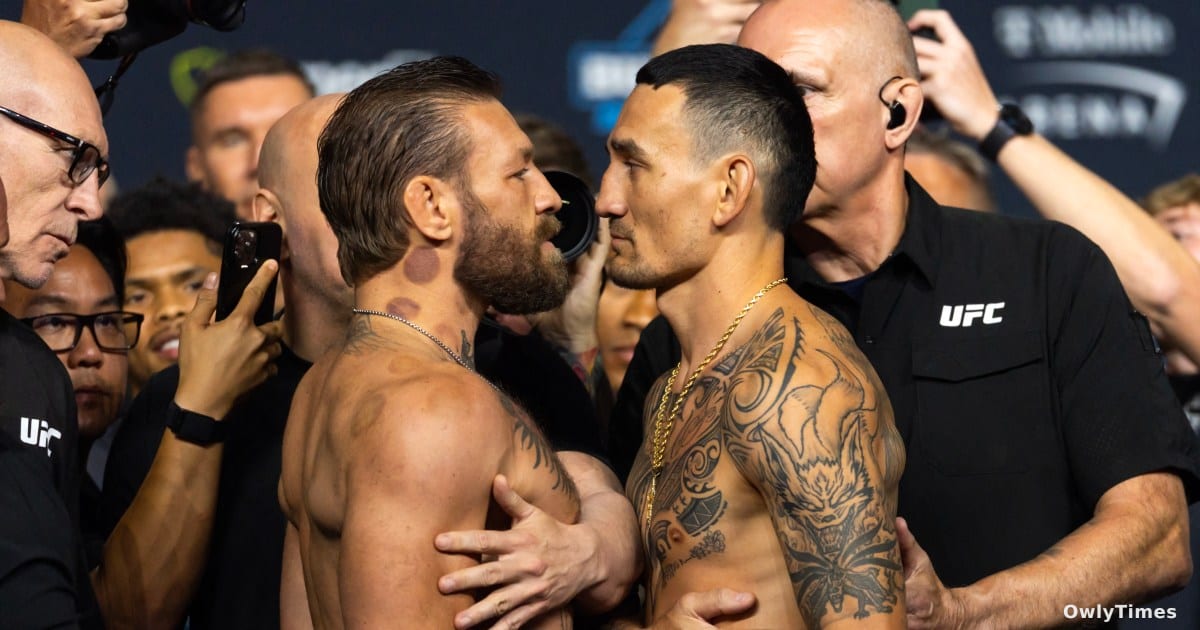
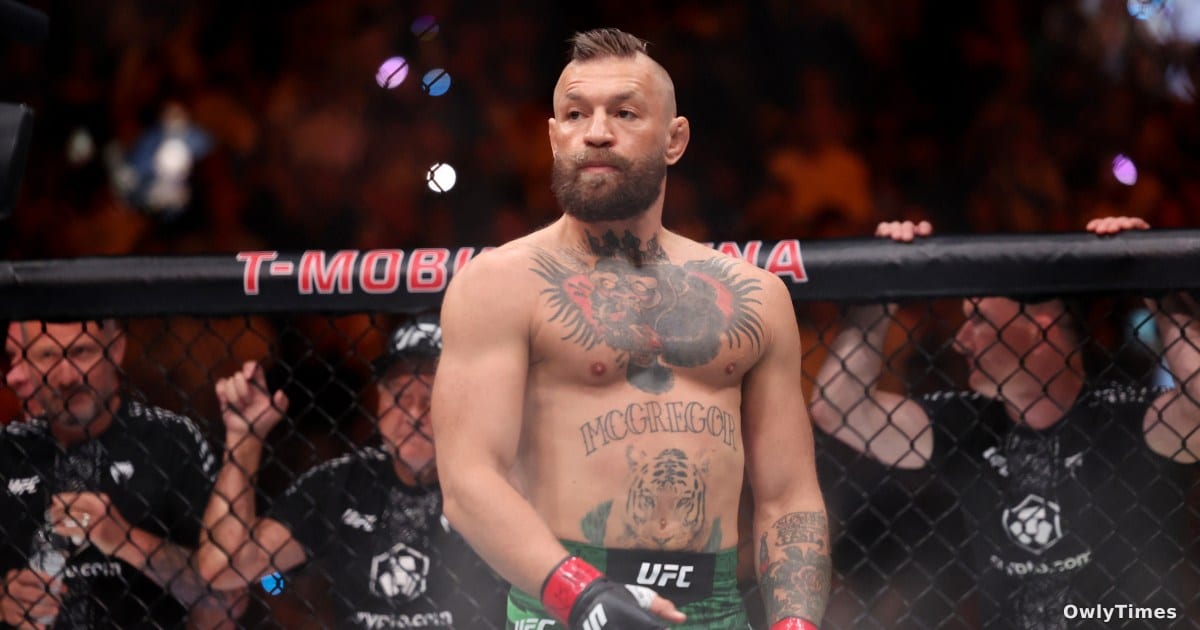
The real story here isn't just the anticlimactic finish of UFC 329; it’s the dangerous disconnect between the combat sports industrial complex and the physical limitations of its aging stars. Conor McGregor’s much-touted return to the octagon on Saturday lasted a mere 69 seconds, according to Al Jazeera and the BBC. While the promotion banked on the massive drawing power of a rematch against Max Holloway, the reality of a 37-year-old athlete attempting a high-risk flying kick after a five-year hiatus proved to be a recipe for structural failure.
When Hype Hits Reality
The fight at Las Vegas’s T-Mobile Arena ended as quickly as it began. Both Al Jazeera and CBS Sports report that McGregor landed awkwardly after an initial jumping kick, with the BBC noting that the Irishman’s knee appeared to give way on his very first roundhouse attempt. Referee Mike Beltran eventually waved off the contest after McGregor stumbled and signaled his inability to continue. For the casual viewer, it was a sudden, confusing end; for those tracking the technical decline, it was the predictable outcome of a fighter attempting to bypass the slow, grinding process of true physical recovery.
The Cost of the "Legacy" Brand
The UFC’s insistence on pushing McGregor back into the spotlight despite his well-documented legal and disciplinary hurdles is a case study in brand resilience over athlete welfare. As reported by the BBC, McGregor recently completed an 18-month ban for missing three drugs tests in 2024, and a civil jury found him liable for the assault of Nikita Hand in 2025. Despite these significant distractions, the promotion seemingly gambled that the "McGregor" name alone could sustain the weight of a main event. This strategy echoes how tech companies often launch unfinished software products, relying on the brand’s existing user base to ignore bugs until the system crashes.
The Under-the-Radar Success
While the main event faltered, the co-main event provided a sharp contrast in momentum. CBS Sports details how Paddy Pimblett secured a definitive victory, choking out Benoit Saint-Denis in under a minute with a guillotine choke. Unlike the McGregor experiment, Pimblett’s win demonstrates the importance of being in the "title picture"—a position he reached by bouncing back from a January loss to Justin Gaethje. It serves as a reminder that in any industry, consistent performance usually beats the diminishing returns of a former star.
What Happens Next
The immediate future for Max Holloway, who holds a professional record of 28 wins in 37 fights according to the BBC, remains in flux. While Holloway has publicly called for a third bout with McGregor, the risk of waiting for a notoriously unreliable opponent is high. Expect the promotion to pivot toward the next scheduled event, UFC 330 in Philadelphia, as noted by CBS Sports, where the focus will likely shift toward more stable, active contenders who don't require the same level of narrative management.